

Editorials
An Orwellian approach to Appalachian history
By removing federal protection from the Blair Mountain Battlefield site, state and federal officials have abrogated a sacred trust. Even worse, by removing the protection in an underhanded manner, and ignoring evidence of skullduggery, they have set a scandalous, shocking and inexcusable precedent.
No one questions the fact that the Blair Mountain Battlefield is a site of major national historic significance. No one has challenged the many leading historians and historical organizations that have presented mountains of evidence about the 1921 armed confrontation between thousands of union miners and coal industry mine guards.
Yet the process for protecting historic sites through the National Register of Historic Places requires the agreement of landowners, and that process is subject to the worst kind of political abuse.
Originally, a majority of 57 landowners agreed to the protection. After decades of very difficult work, the site was listed in the Register in April 2009. However, only a few days later, the state official responsible for counting letters of support from property owners suddenly “discovered” more letters. West Virginia then began the unprecedented process of delisting the site.
Advocates for historic protection uncovered extraordinary flaws in the process. Two of those who supposedly objected happened to be deceased. In addition, preservation advocates found another 13 property owners who had not even been contacted.
Although faced with new evidence, state officials refused to reconsider. But they did offer a paltry consolation prize by assuring preservationists that the site’s “eligibility” for listing would still offer protection in the future. A legal analysis has now found that these assurances were inaccurate, to say the least.
In the book 1984, George Orwell said: “He who controls the past controls the future.” In that respect, the West Virginia state historic preservation office ought to be renamed the Ministry of Truth.
Unless the courts overturn the delisting, bulldozers will soon bury a precious piece of Appalachia’s history.
Friends of Blair Mountain are encouraging people to write to Carol Shull, keeper of the National Register of Historic Places. For more information visit their website at FriendsOfBlairMountain.org.
Related Articles
Latest News
More Stories
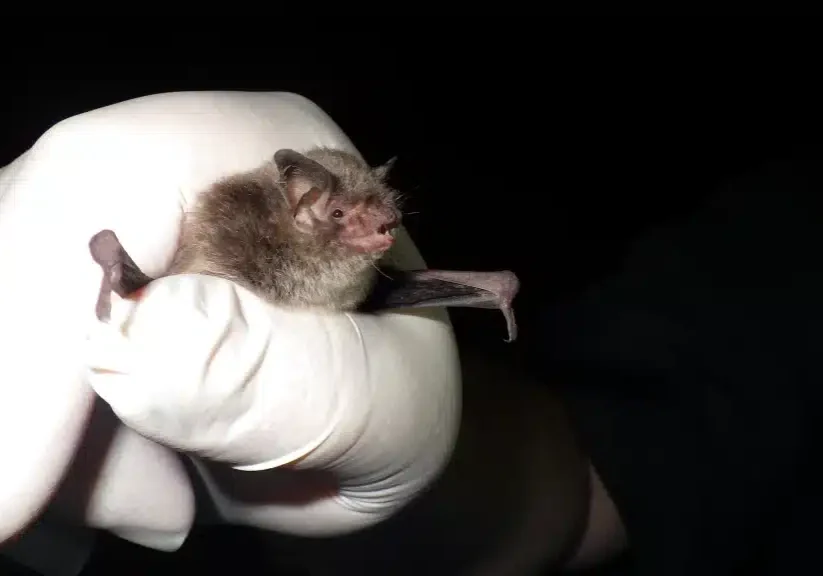
Signs of Life
In the Nantahala National Forest, a team of biologists spotted Indiana bats, an endangered species that hasn’t been seen in North Carolina for the last 11 years.

‘First Line of Defense’
During Hurricane Helene and its aftermath, rural fire departments and other first responder hubs played critical roles in keeping their communities safe, even without power and cut off from outside support for days or weeks after the storm. Two years later, plenty of work remains to ensure these hubs have the resources they need to operate day to day and be ready when emergencies or natural disasters strike.

The Rocky Road — and Bridge — to Recovery
Hurricane Helene is estimated to have damaged nearly 7,000 private roads and bridges in Western North Carolina. Two years later, many restoration projects are complete, but the journey hasn’t been easy — and isn’t over for others.
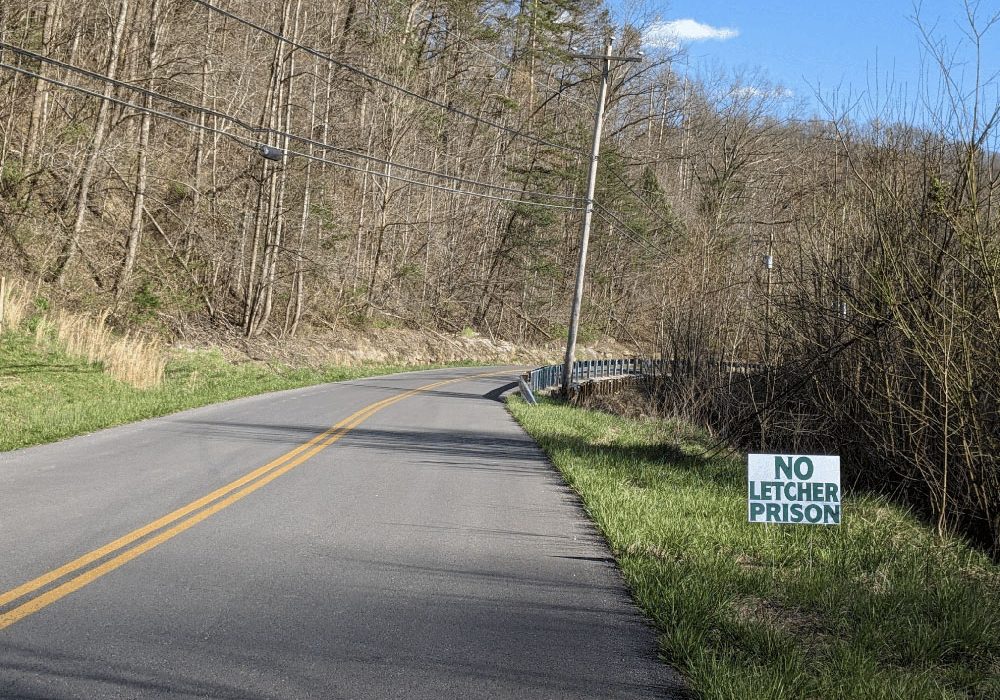
After 20 Years, Letcher County Prison Proposal Is Still Alive, Though Obstacles Remain
A $605 million proposal for a federal prison on a former strip mine site in Letcher County, Kentucky, championed by U.S. Rep. Hal Rogers, refuses to die, despite local opposition, a lack of support from the executive branch and numerous other obstacles.
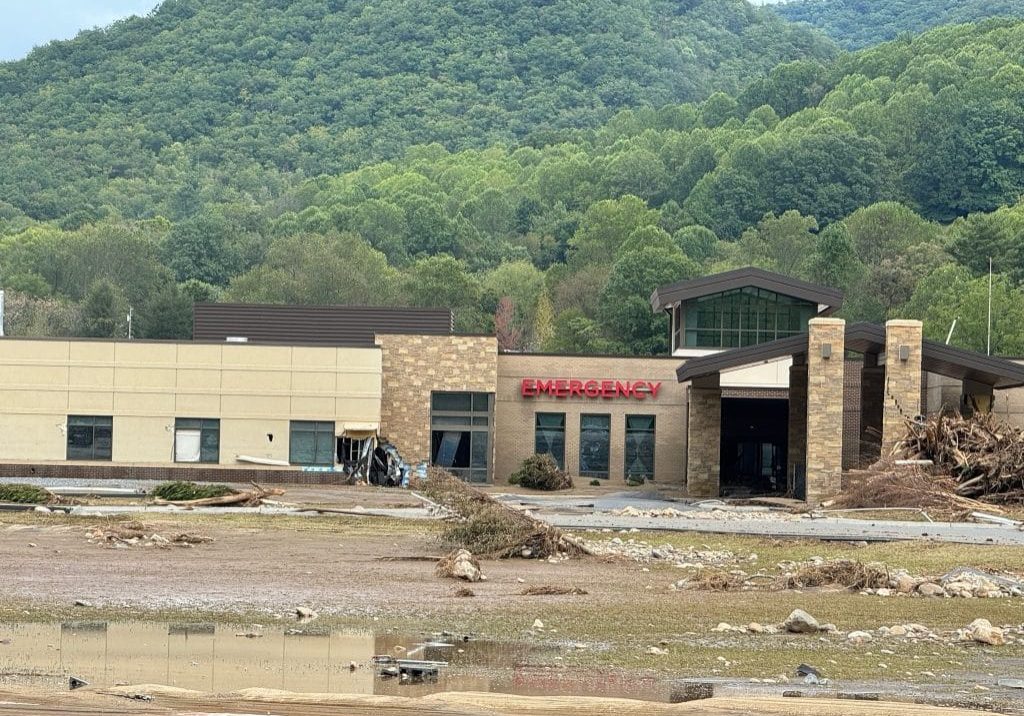
The Washout and Rebuild
For nearly two years, residents of Unicoi County, Tennessee, have had to make do without a hospital after Hurricane Helene destroyed the rural hospital. Ballad Health, which owns the hospital, broke ground on a new location — in another floodplain — in August 2026.
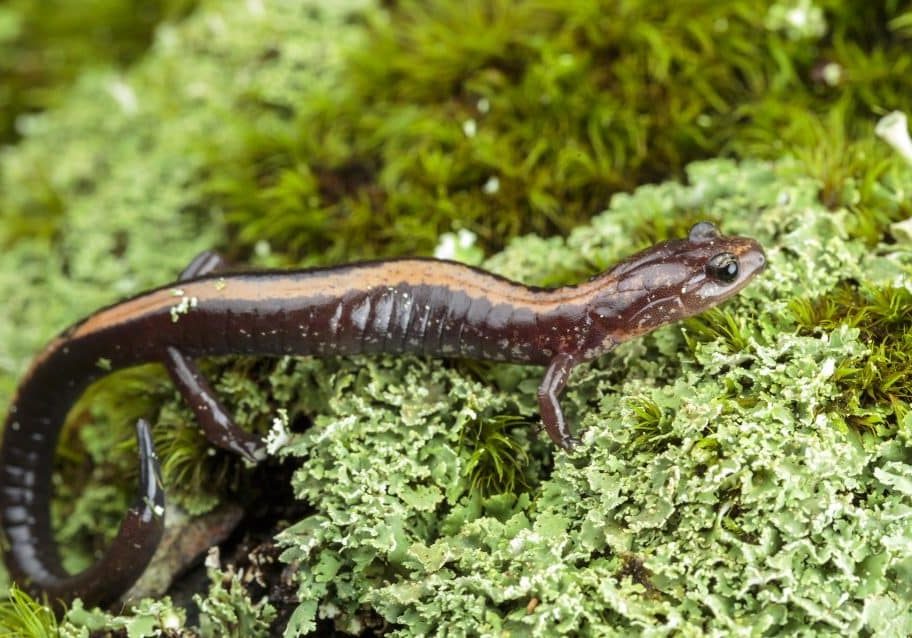
The Shenandoah Salamander
The Shenandoah salamander is a woodland salamander, which has adapted to life at higher elevations away from water. This sparkling rarity lives among the dry leaves, cracked logs, and stony hillocks on the highest peaks of Shenandoah National Park.

Leave a comment
Your email address will not be published. Required fields are marked *
Leave a Comment