

By Ben Bolling
Crews with the Appalachian Conservation Corps have been hard at work on 5.5 miles of non-motorized paths that are part of the Dante Trails project in Russell and Dickenson counties of Southwest Virginia.
The ACC is a program of Conservation Legacy, a nationwide network of conservation service organizations.
“A central part of our mission is engaging directly with communities so we were brought on early as a partner by the Dante Community Association and the Nature Conservancy,” says Corps Director Zack Foster. “We’ve been working on the Dante project [for] about a year in trail planning and mapping leading up to the work this summer.”
Anna Balch, Eva Burns and Chance Cheek have worked as part of the Dante crew with team leader Lauren Croissant this summer.
Croissant is a returning member of the corps, having completed her first round of service last year. “I keep coming back because it’s been fun and I’ve met so many cool people and done exciting work in so many different areas,” she says.
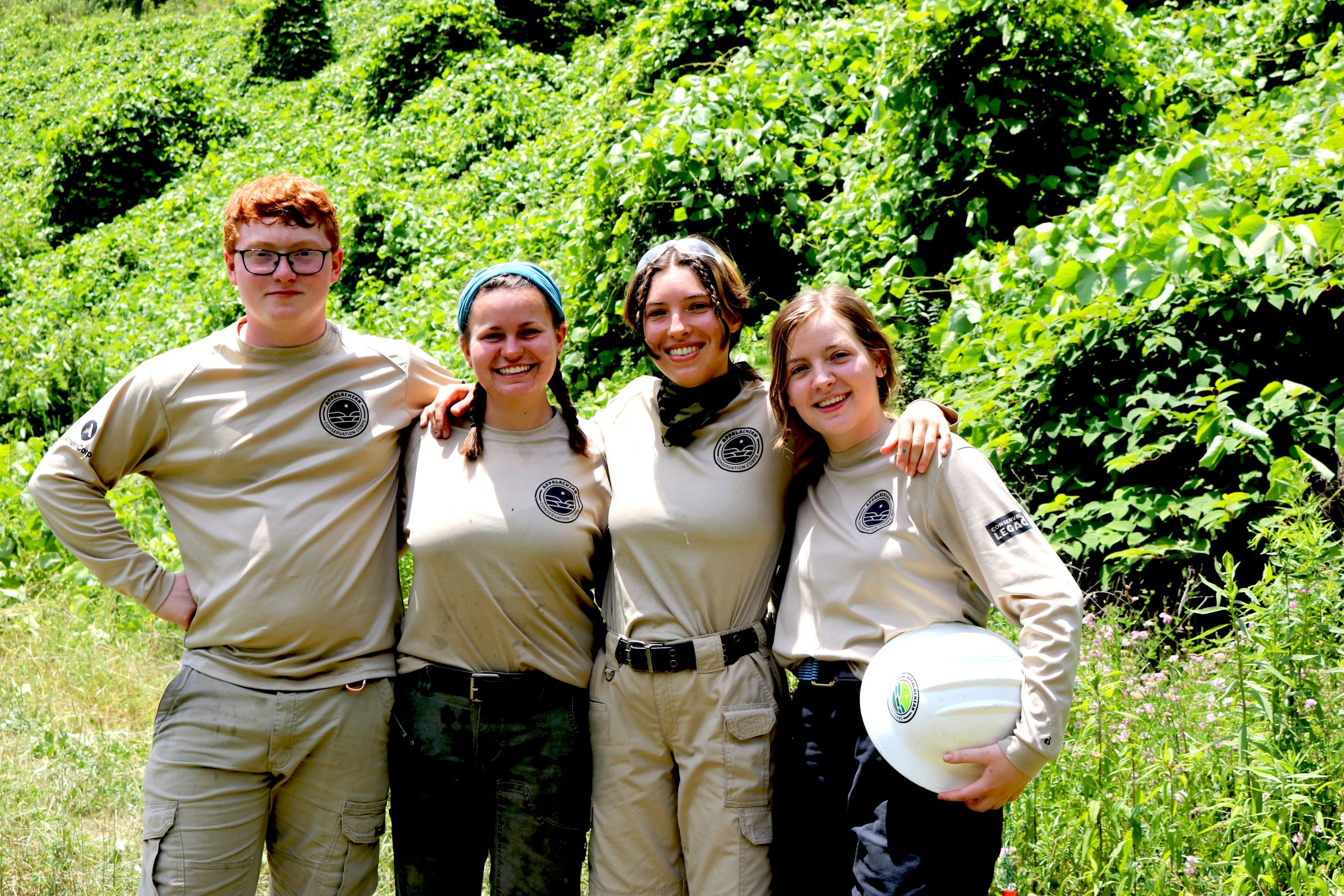
The ACC Dante crew includes (from left to right) Chance Cheek, Lauren Croissant, Eva Burns, and Anna Balch.
Balch, Cheek and Croissant came to Dante from different parts of Virginia, while Burns arrived from Georgia. But each of the corps members talks about being welcomed by local residents.
“A lot of people from town brought us dinner and it was sweet,” says Balch. “We all sat around and talked for a while. It’s just cool that you can feel like you become part of the community.”
“I have mad respect for Appalachia,” says Burns. “I love that this is one of the oldest mountain chains in the world and the biodiversity is just incredible and that pairs really beautifully with the people who live here because there are so many unique people who are just super welcoming and kind.”
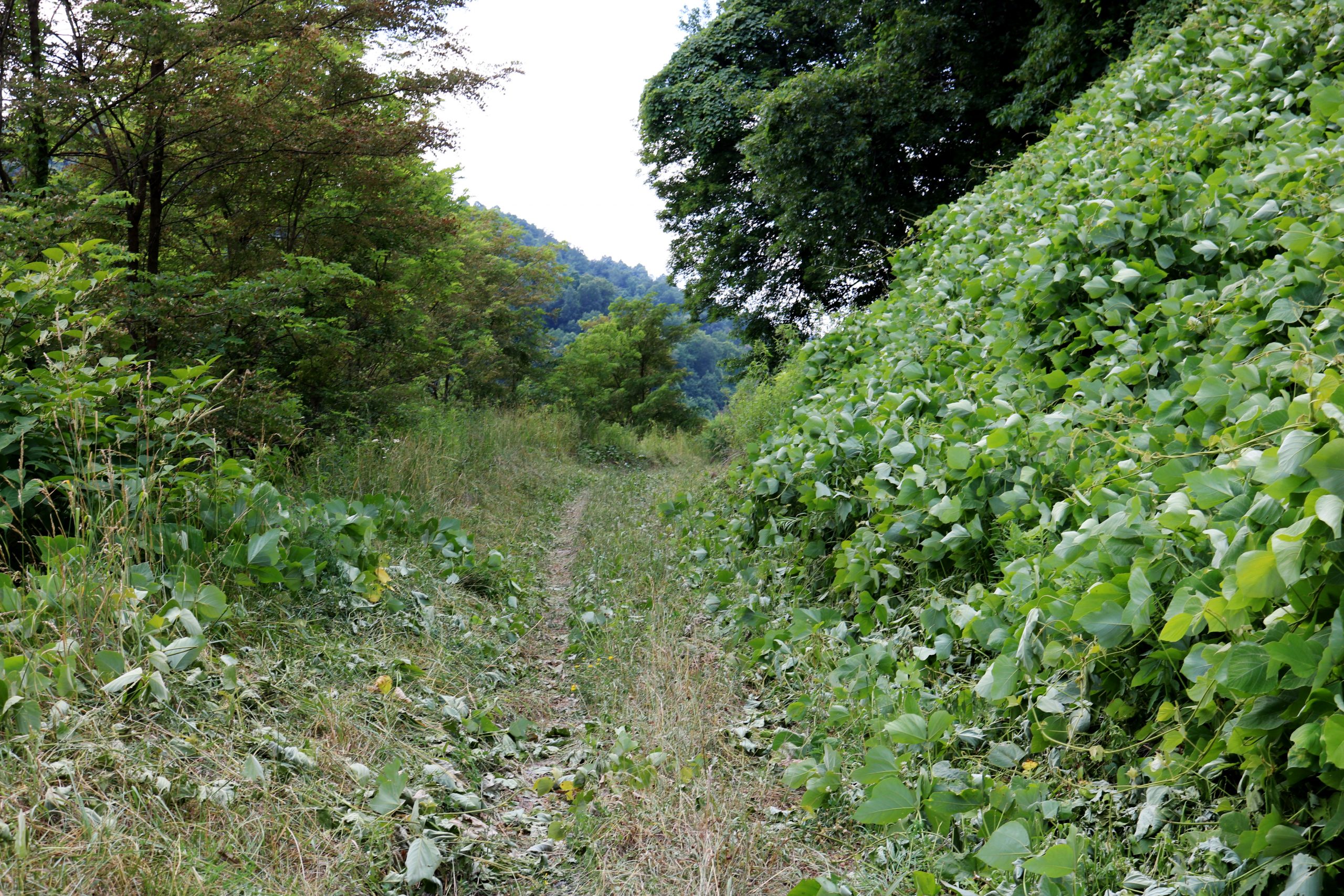
The Dante trails project in June.
Crews with ACC are spending 10 weeks working on the Dante trails project throughout the summer.
“I really want the work to pay off,” says Balch. “More resources are being diverted to trails because Dante is a coal town and since that’s not sustainable they’re trying to create more attractions to draw visitors in. We want that to pay off. We want people to come see it because these trails are beautiful. I don’t even mind working on them because you look to your right and it’s one of the most gorgeous views you’ve seen.”
Cheek agrees, “This place is alive and interconnected more than you can possibly imagine unless you come and stay in it.”
The Dante trails project includes remediating abandoned mine portals near the trail route. Funding for the project included a grant through the Abandoned Mine Land Economic Revitalization Program that Appalachian Voices, the organization that publishes The Appalachian Voice, helped the Dante Community Association apply for.
Related Articles
Latest News
More Stories

‘First Line of Defense’
During Hurricane Helene and its aftermath, rural fire departments and other first responder hubs played critical roles in keeping their communities safe, even without power and cut off from outside support for days or weeks after the storm. Two years later, plenty of work remains to ensure these hubs have the resources they need to operate day to day and be ready when emergencies or natural disasters strike.

The Rocky Road — and Bridge — to Recovery
Hurricane Helene is estimated to have damaged nearly 7,000 private roads and bridges in Western North Carolina. Two years later, many restoration projects are complete, but the journey hasn’t been easy — and isn’t over for others.
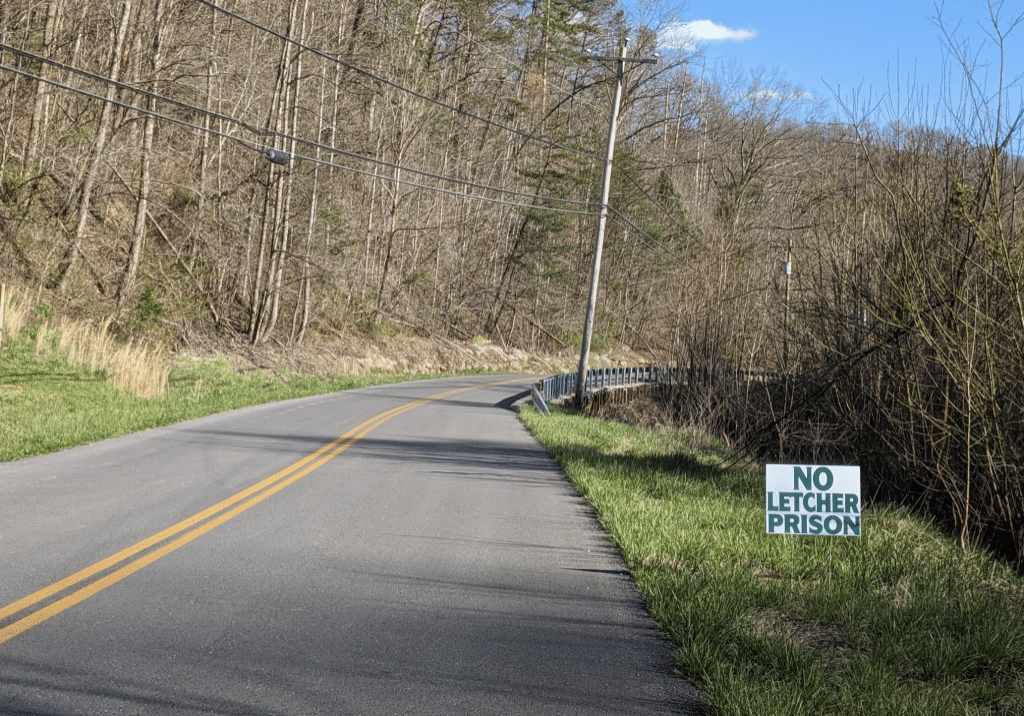
After 20 Years, Letcher County Prison Proposal Is Still Alive, Though Obstacles Remain
A $605 million proposal for a federal prison on a former strip mine site in Letcher County, Kentucky, championed by U.S. Rep. Hal Rogers, refuses to die, despite local opposition, a lack of support from the executive branch and numerous other obstacles.
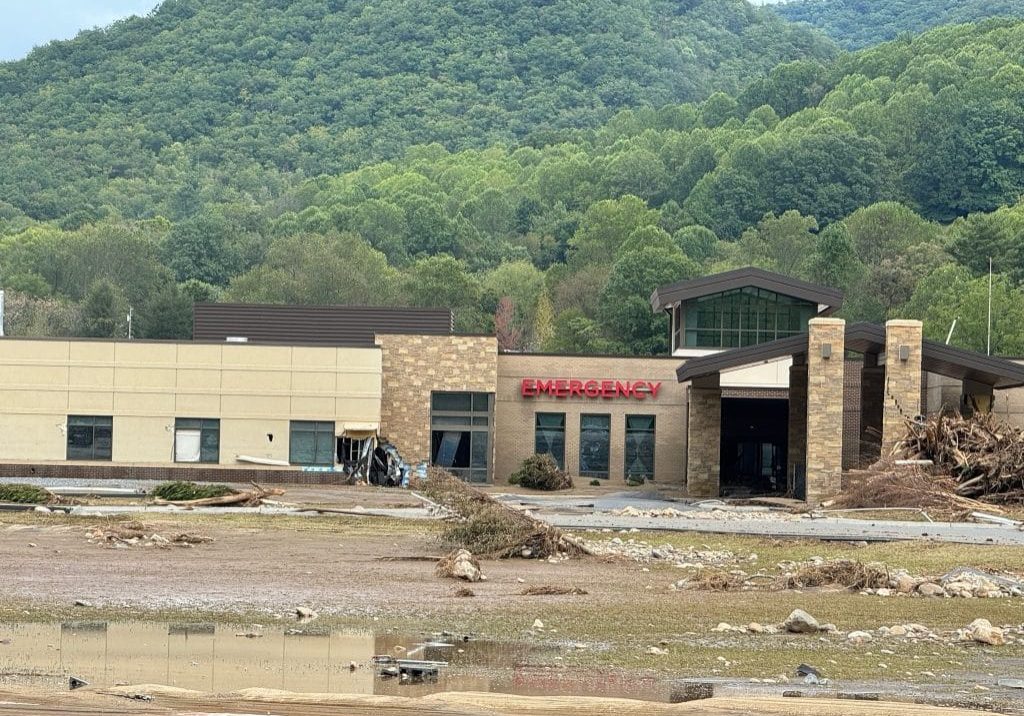
The Washout and Rebuild
For nearly two years, residents of Unicoi County, Tennessee, have had to make do without a hospital after Hurricane Helene destroyed the rural hospital. Ballad Health, which owns the hospital, broke ground on a new location — in another floodplain — in August 2026.

The Shenandoah Salamander
The Shenandoah salamander is a woodland salamander, which has adapted to life at higher elevations away from water. This sparkling rarity lives among the dry leaves, cracked logs, and stony hillocks on the highest peaks of Shenandoah National Park.
‘Foraging Is a Way of Connecting’
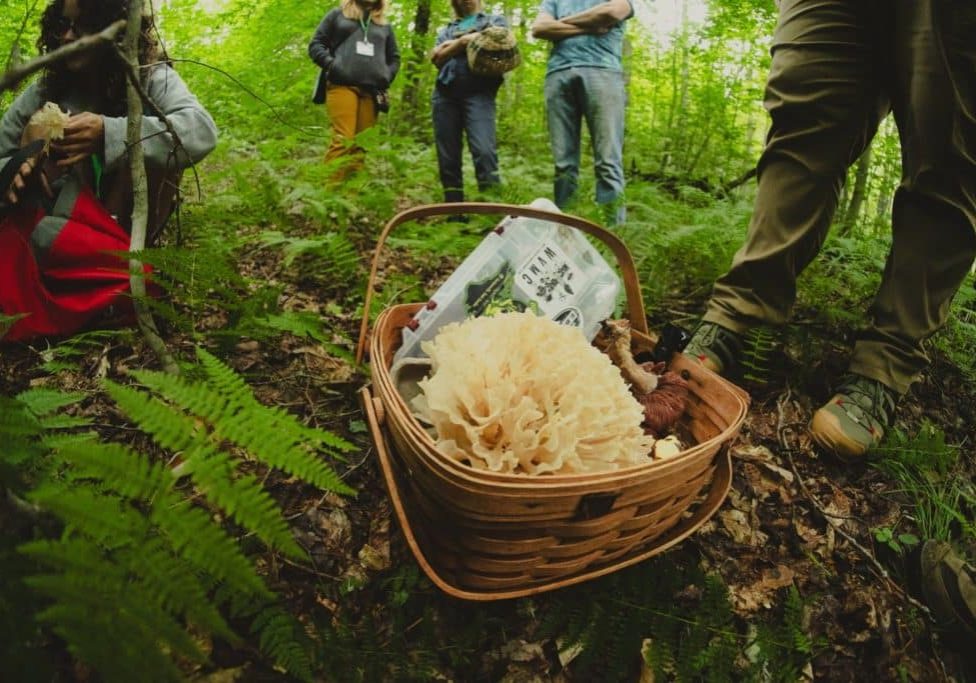
Foraging has experienced a modern resurgence, partly because of social media, online groups, the pandemic and people wanting to connect with nature. It also builds community, whether in person or online.

Leave a comment
Your email address will not be published. Required fields are marked *
Leave a Comment