

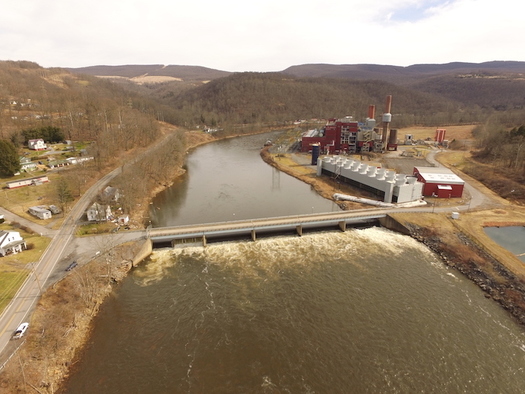
The Albright Dam is the last dam in West Virginia on the Cheat River, and environmental groups say it has long been an impediment to fish migration. Photo by Joey Kimmet/Friends of the Cheat.
By Nadia Ramlagan, Public News Service
Environmental groups say removing the Albright Dam on the Cheat River will help restore fish populations, improve water quality and expand outdoor recreation for West Virginians.
The U.S. Interior Department recently announced $1 million in funding toward removing the defunct Albright Dam as part of an effort to improve water quality and restore free-flowing waterways nationwide.
Lisa Hollingsworth-Segedy, director of river restoration for the advocacy group American Rivers, said the private dam impounds water for about a half-mile.
“The dam doesn’t serve any purpose at all, and it is a barrier for really important fish species,” Hollingsworth-Segedy asserted. “For the people of West Virginia, the dam also contributes to decreased water quality in the Cheat River.”
She added removing the dam would address environmental concerns and reconnect more than 1,000 miles of rivers and streams in an area of the Mountain State rich in biodiversity. There is wide agreement the dam has outlived its usefulness, but the state has to come up with about one-third of the cost to remove it.
Frank Jernejcic, a member of the nonprofit group Friends of the Cheat River and a retired biologist, explained dams can harm fish populations by blocking their natural passage between feeding and spawning grounds.
“Fish, particularly walleyes, have moved upstream from Cheat Lake through the Cheat Canyon, and they’re now stopped at the Albright Dam,” Jernejcic pointed out. “Removal of the dam will allow the walleyes to move on upstream.”
A recent investigation by The Associated Press found defunct or poorly maintained dams across the country can pose serious threats to communities.
This story was originally published by Public News Service on June 3, 2022.
Related Articles
Latest News
More Stories

‘First Line of Defense’
During Hurricane Helene and its aftermath, rural fire departments and other first responder hubs played critical roles in keeping their communities safe, even without power and cut off from outside support for days or weeks after the storm. Two years later, plenty of work remains to ensure these hubs have the resources they need to operate day to day and be ready when emergencies or natural disasters strike.

The Rocky Road — and Bridge — to Recovery
Hurricane Helene is estimated to have damaged nearly 7,000 private roads and bridges in Western North Carolina. Two years later, many restoration projects are complete, but the journey hasn’t been easy — and isn’t over for others.
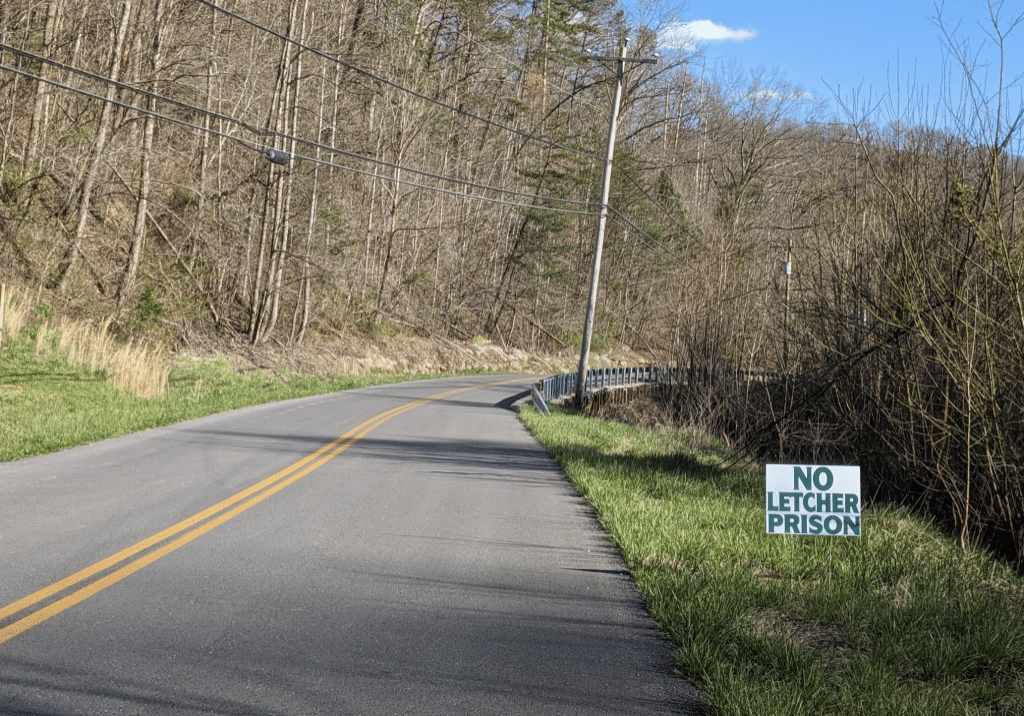
After 20 Years, Letcher County Prison Proposal Is Still Alive, Though Obstacles Remain
A $605 million proposal for a federal prison on a former strip mine site in Letcher County, Kentucky, championed by U.S. Rep. Hal Rogers, refuses to die, despite local opposition, a lack of support from the executive branch and numerous other obstacles.
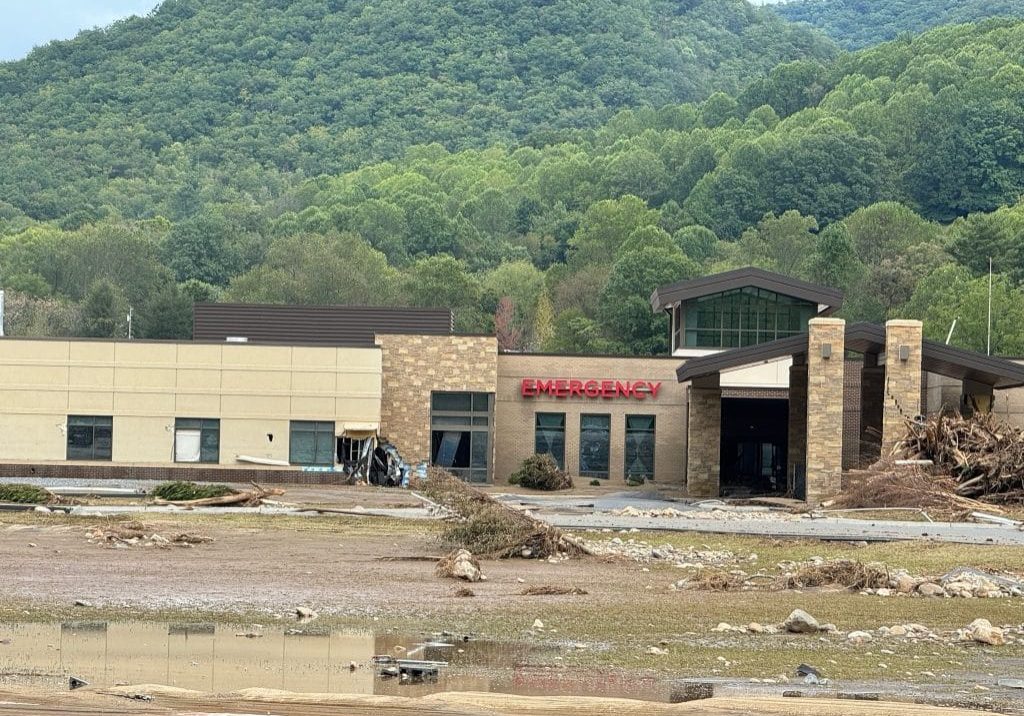
The Washout and Rebuild
For nearly two years, residents of Unicoi County, Tennessee, have had to make do without a hospital after Hurricane Helene destroyed the rural hospital. Ballad Health, which owns the hospital, broke ground on a new location — in another floodplain — in August 2026.
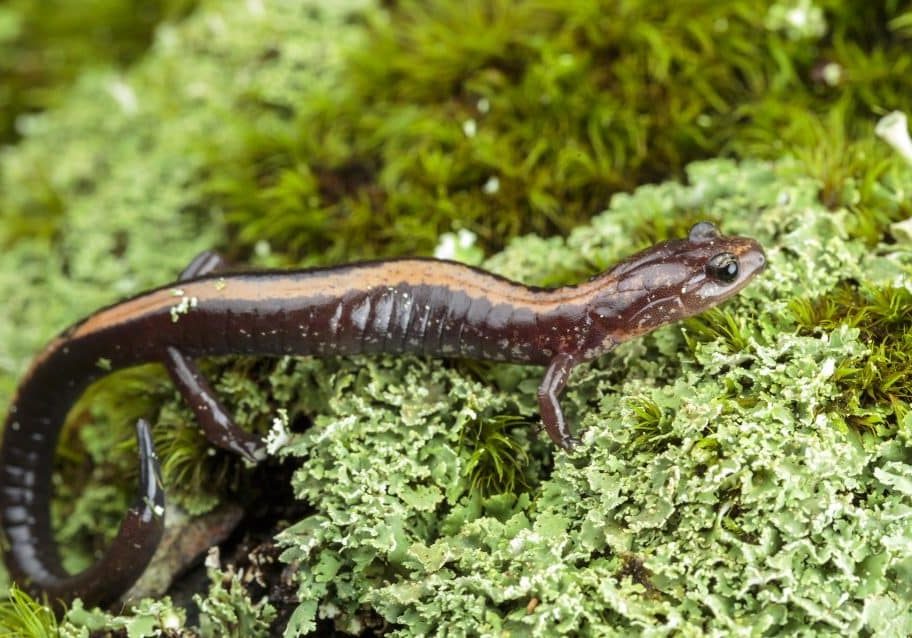
The Shenandoah Salamander
The Shenandoah salamander is a woodland salamander, which has adapted to life at higher elevations away from water. This sparkling rarity lives among the dry leaves, cracked logs, and stony hillocks on the highest peaks of Shenandoah National Park.
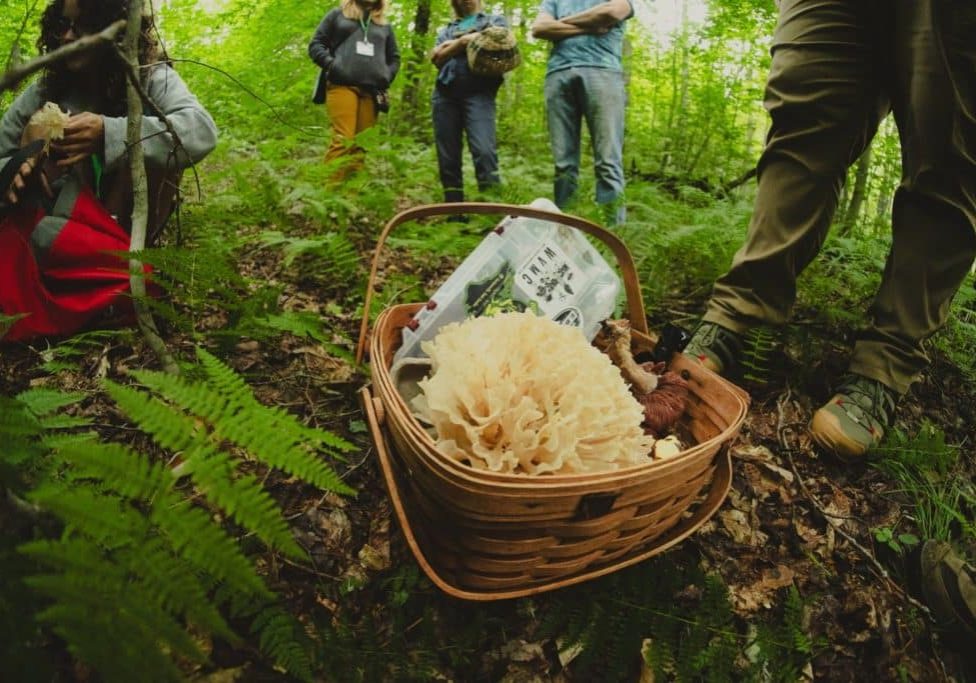
‘Foraging Is a Way of Connecting’
Foraging has experienced a modern resurgence, partly because of social media, online groups, the pandemic and people wanting to connect with nature. It also builds community, whether in person or online.

Leave a comment
Your email address will not be published. Required fields are marked *
Leave a Comment