

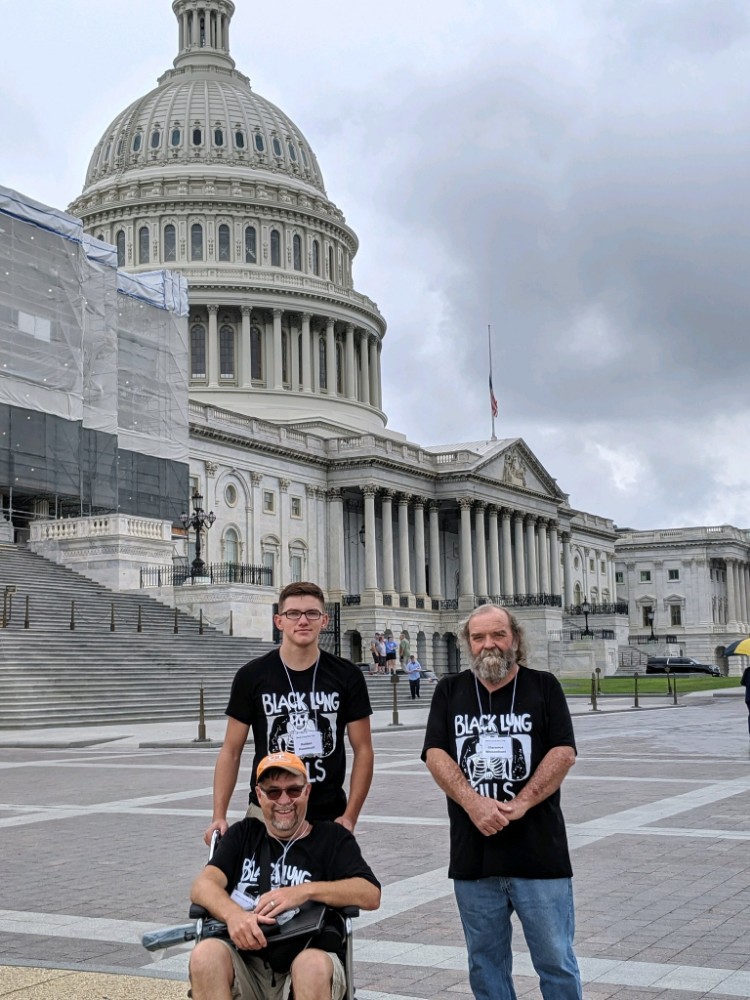
Clarence Whisenhunt and David Mullins with David’s nephew Holden Hunnicutt were among the delegation that traveled to Washington, D.C., to advocate for fair policies for miners with black lung disease. Photo by Marcy Tate
For miners suffering from the severe health effects of black lung disease, making the trip in the July heat was a challenge. In the capitol, the delegation met with 22 congressional offices and held a roundtable discussion that included four U.S. senators, miners and the president of the United Mine Workers of America. Miners and miners’ widows shared powerful testimony about the debilitating effects of the disease and the frustrating process required to access modest medical and living benefits.
Black lung disease is caused by repeated exposure to coal and silica dust, and rates of the deadly disease have hit a 25-year high in Appalachian coal mining states. The Black Lung Disability Trust Fund helps support coal miners and their surviving dependents in cases where the miners’ employer has gone bankrupt or has been found not responsible. Several coal companies have recently declared bankruptcy, highlighting the importance of this fund — but its solvency is in jeopardy.
The trust fund is supported by a small excise tax paid by companies per ton of coal sold domestically, at a rate that was unchanged for more than three decades. But Congress failed to extend the tax rate before the end of 2018, and it has now been cut by more than half. A May 2018 Government Accountability Office report projects that, at the slashed tax rate, the fund’s revenue will be unable to cover beneficiary payments and administrative costs as soon as 2020.
The reception in Congress was mixed. Sen. Bob Casey (D-PA) hosted the roundtable discussion and introduced the Black Lung Benefits Improvement Act, S.2205, which would help miners access benefits and reinstate cost-of-living increases. And Rep. Robert Scott (D-VA) introduced H.R. 3876 to restore and extend the excise tax to support the benefits fund.
Senate Majority Leader Mitch McConnell (R-KY) met with miners for a couple minutes and offered assurances that benefits would not be cut, but did not commit to restoring the tax.
“We rode up here for 10 hours by bus to get some answers from him because he represents our state,” George Massey, a miner from Harlan County, Ky., told Reuters. “For him to come in for just two minutes was a low-down shame.”
While in Washington, D.C., the miners also urged the Mine Safety and Health Administration to enact a rule to lower the amount of silica miners can be exposed to in an effort to prevent the spread of this incurable, but preventable, disease.
The miners were joined by numerous organizations including chapters of the Black Lung Association, Appalachian Citizens Law Center, BlueGreen Alliance, Kentuckians For The Commonwealth, The Alliance for Appalachia and Appalachian Voices, the nonprofit group that publishes this newspaper.
Related Articles
Latest News
More Stories
‘First Line of Defense’
During Hurricane Helene and its aftermath, rural fire departments and other first responder hubs played critical roles in keeping their communities safe, even without power and cut off from outside support for days or weeks after the storm. Two years later, plenty of work remains to ensure these hubs have the resources they need to operate day to day and be ready when emergencies or natural disasters strike.
The Rocky Road — and Bridge — to Recovery
Hurricane Helene is estimated to have damaged nearly 7,000 private roads and bridges in Western North Carolina. Two years later, many restoration projects are complete, but the journey hasn’t been easy — and isn’t over for others.
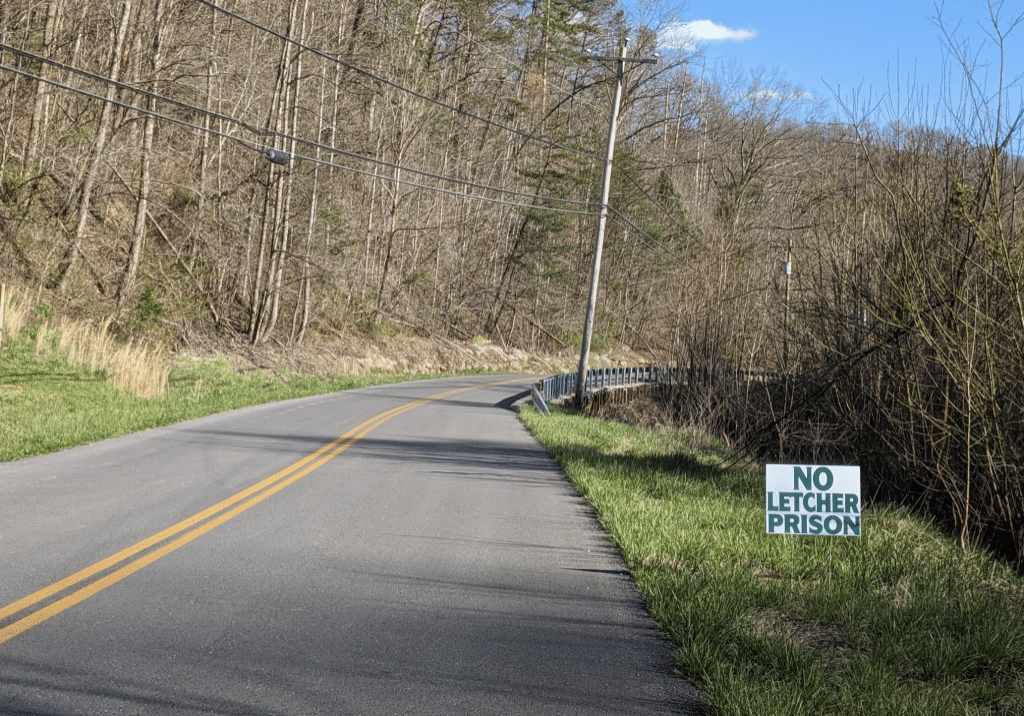
After 20 Years, Letcher County Prison Proposal Is Still Alive, Though Obstacles Remain
A $605 million proposal for a federal prison on a former strip mine site in Letcher County, Kentucky, championed by U.S. Rep. Hal Rogers, refuses to die, despite local opposition, a lack of support from the executive branch and numerous other obstacles.
The Washout and Rebuild
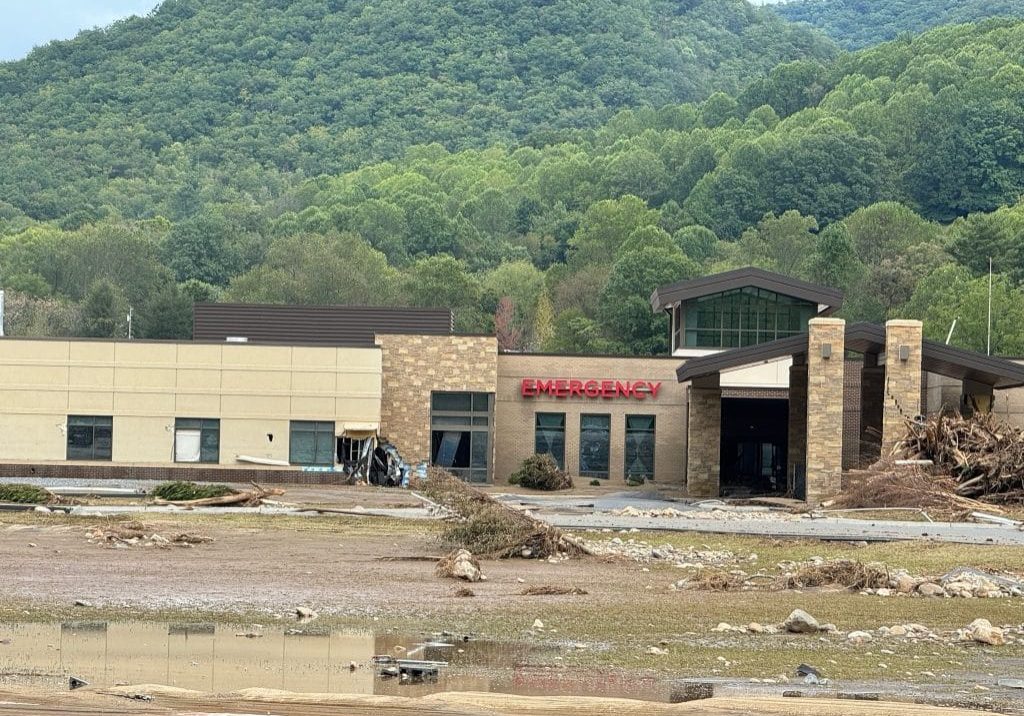
For nearly two years, residents of Unicoi County, Tennessee, have had to make do without a hospital after Hurricane Helene destroyed the rural hospital. Ballad Health, which owns the hospital, broke ground on a new location — in another floodplain — in August 2026.

The Shenandoah Salamander
The Shenandoah salamander is a woodland salamander, which has adapted to life at higher elevations away from water. This sparkling rarity lives among the dry leaves, cracked logs, and stony hillocks on the highest peaks of Shenandoah National Park.
‘Foraging Is a Way of Connecting’
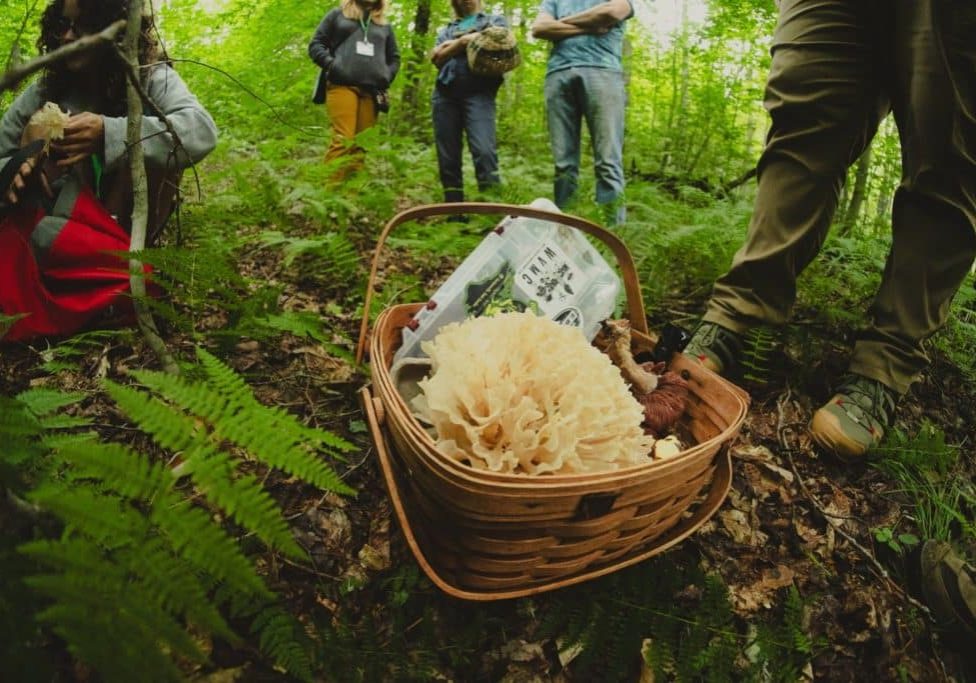
Foraging has experienced a modern resurgence, partly because of social media, online groups, the pandemic and people wanting to connect with nature. It also builds community, whether in person or online.

Leave a comment
Your email address will not be published. Required fields are marked *
Leave a Comment