

Support Grows for Mine Reclamation Bill
As of mid-February, seven Southwest Virginia localities passed resolutions calling on the state’s federal representatives to support reauthorization of a funding program for reclamation of abandoned coal mines. In Pennsylvania, 20 counties and four municipalities have passed similar resolutions, and related efforts are underway in other Appalachian states.
Since 1977, coal companies have paid a fee on each ton of coal mined to the U.S. Office of Surface Mining Reclamation and Enforcement, which funds the Abandoned Mine Land program. Through this program, the government distributes funds to states and tribes to reclaim coal mines that were abandoned prior to the 1977 federal surface mining law.
The AML program has paid for more than $5.7 billion worth of projects nationwide, reclaiming nearly 800,000 acres of damaged land and waters. Despite this, an estimated $10.6 billion in reclamation remains, and that estimate is likely low.
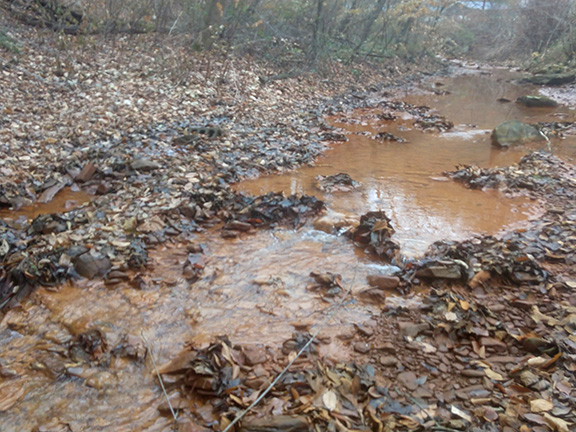
Lens Creek runs through southern Kanawha County, W.Va. It is impacted by numerous abandoned mine features including an unreclaimed refuse dump, open portals, and contaminated drainage. Photo by Willie Dodson
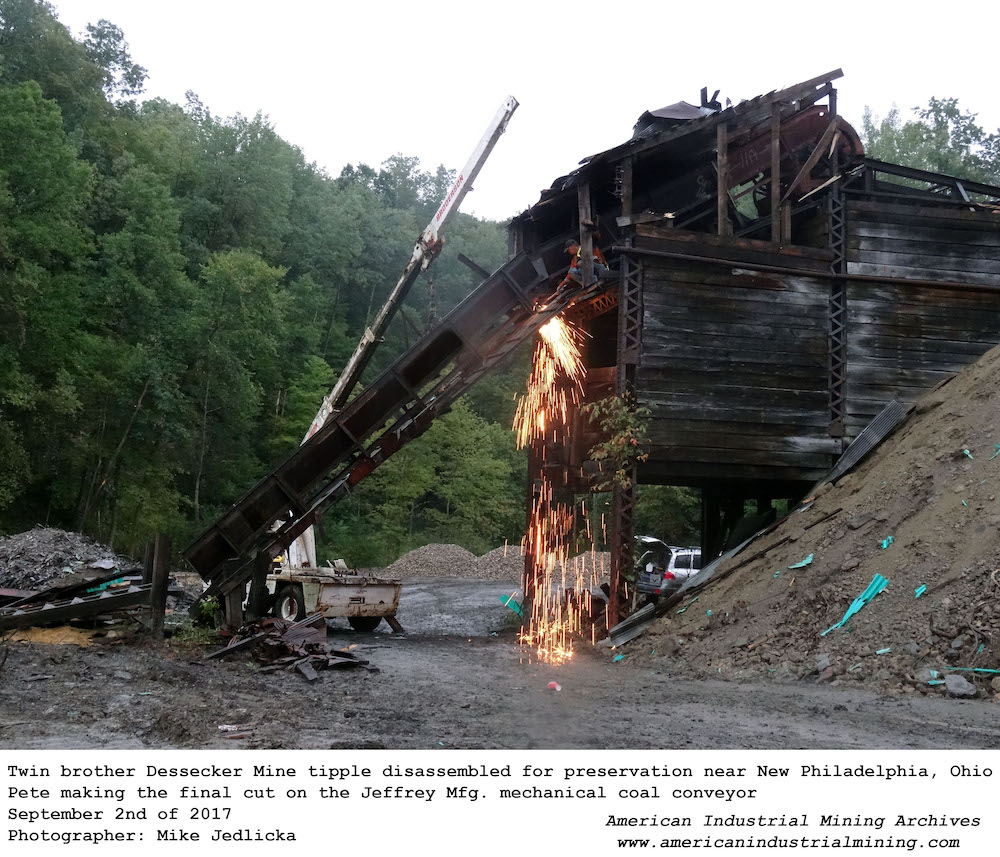
One of the many sites that has benefited from the AML program is the Dessecker Mine Project in Tuscarawas County, Ohio. The land, which is owned by the nonprofit Camp Tuscazoar Foundation and the Boy Scouts of America, faced several threats from historic mining including open mine portals and water polluted by acid mine drainage. After being awarded $702,000 in AML funds, the state sealed the open portals, removed hundreds of tons of debris and more.
If the AML fund is not reauthorized before September 2021, more abandoned mine problems such as those at Squirrel Camp Branch in Dickenson County, Va., would go unaddressed. First reported to regulators in 1985, Squirrel Camp’s estimated $2.35 million in cleanup costs include removing a dangerous highwall and closing open mine portals.
“Reauthorizing the Abandoned Mine Land fee would undoubtedly benefit Dickenson County,” says Pierceton Hobbs of Clintwood, Va. “We have to support these efforts, or we’ll continue to have polluted streams, dangerous highwall cliffs and a plethora of other problems.”
To learn more, visit the website ReclaimingAppalachia.org/reauthorization.
Related Articles
Latest News
More Stories
Neighbors Help Neighbors
A photo essay that celebrates the volunteer spirit of the grassroots group Hurricane Helene WNC and speaks to the resourcefulness, collaboration and hard work embodied by thousands and thousands of volunteers, first responders and aid workers across the region after Hurricane Helene.
Halloween Approaches, and Night School Is in Session
The House of Art in Bluefield, West Virginia, looks like a haunted tower, making it the perfect location for its sixth annual haunt event: Night School. The Night School will be open every Friday and Saturday night through Oct. 31.
‘The Most Perfect Act of Love’
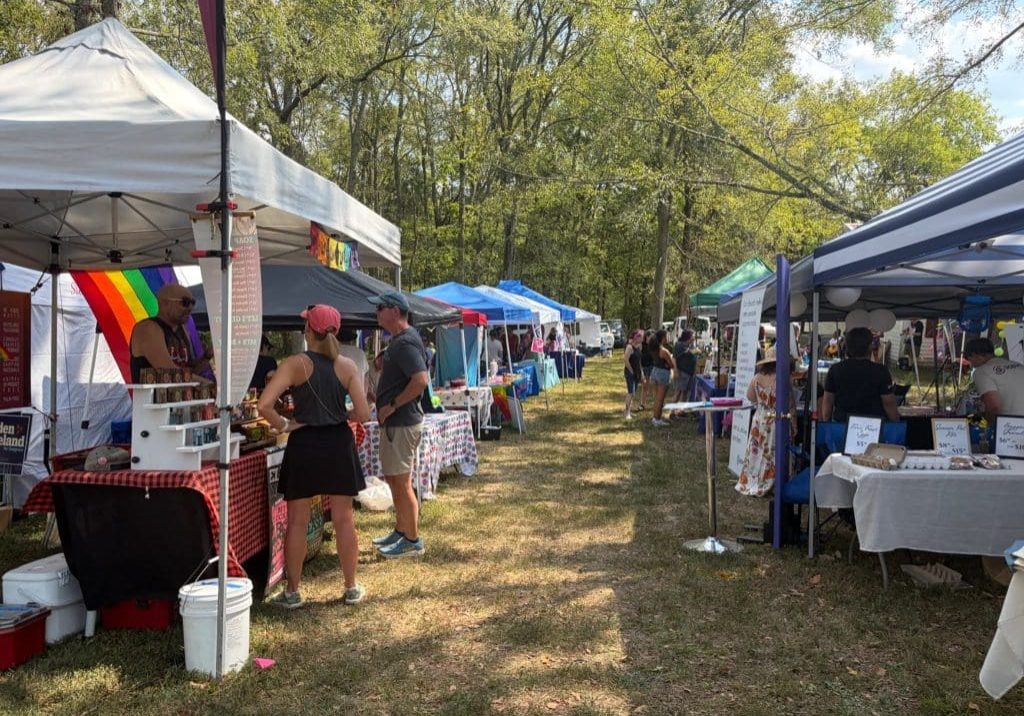
Hundreds of people attended the second annual Affirming Sumner Pride celebration on a 24-acre farm dubbed “Fruity Farm” in Bethpage, Sumner County, Tennessee.
Signs of Life: Endangered Bats Found in Nantahala for First Time in More Than a Decade
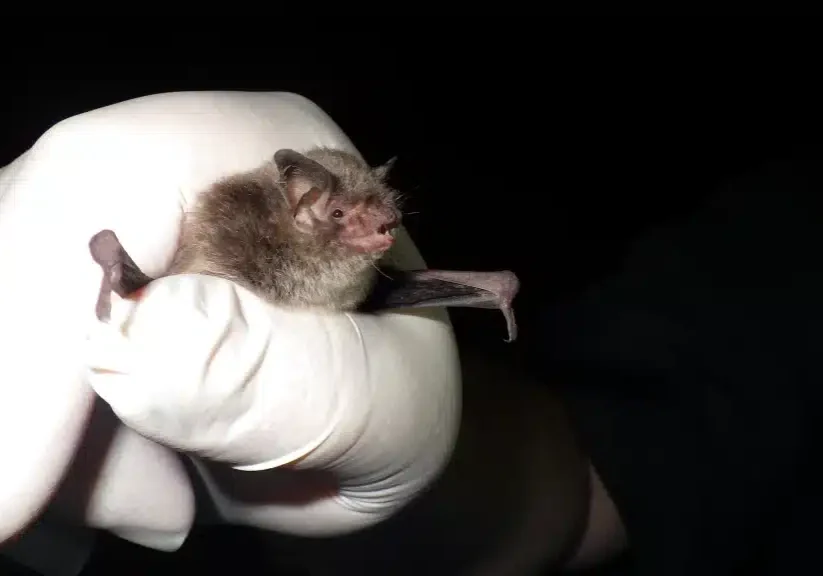
In the Nantahala National Forest, a team of biologists spotted Indiana bats, an endangered species that hasn’t been seen in North Carolina for the last 11 years.
‘First Line of Defense’
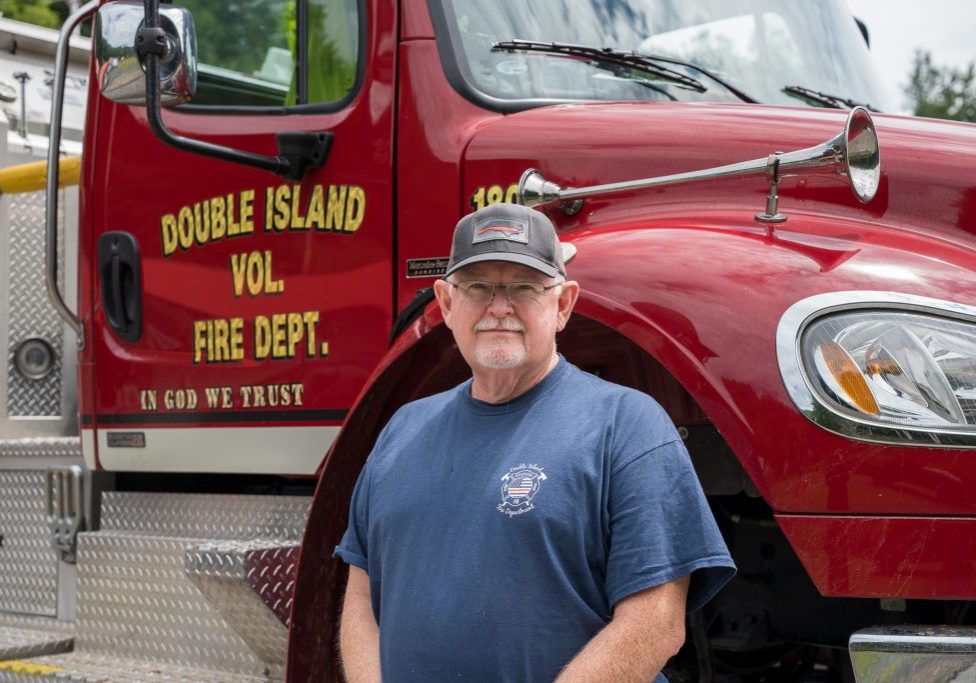
During Hurricane Helene and its aftermath, rural fire departments and other first responder hubs played critical roles in keeping their communities safe, even without power and cut off from outside support for days or weeks after the storm. Two years later, plenty of work remains to ensure these hubs have the resources they need to operate day to day and be ready when emergencies or natural disasters strike.
The Rocky Road — and Bridge — to Recovery
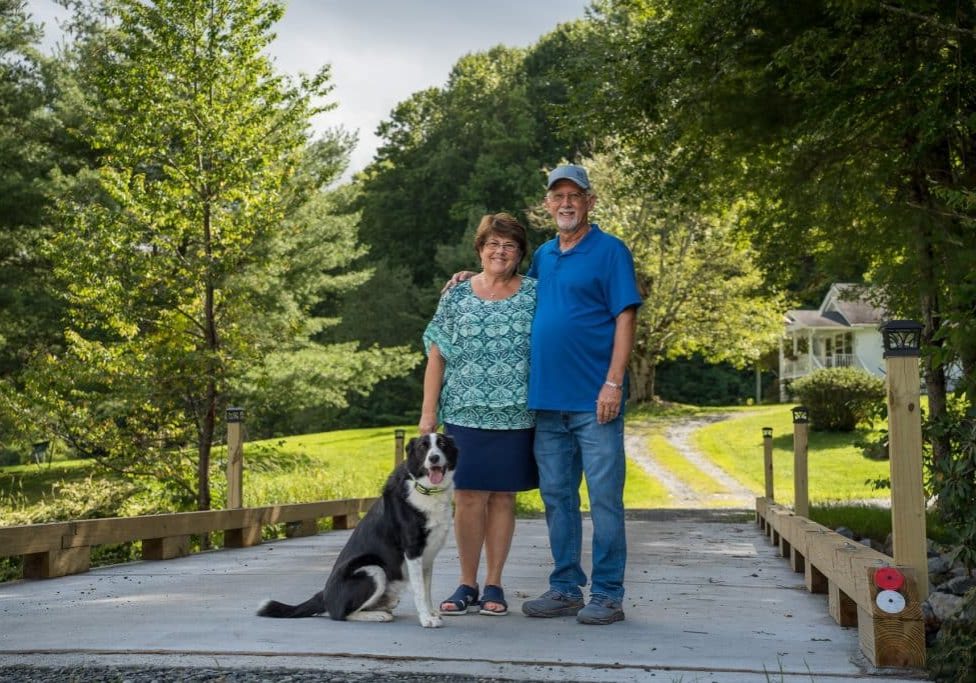
Hurricane Helene is estimated to have damaged nearly 7,000 private roads and bridges in Western North Carolina. Two years later, many restoration projects are complete, but the journey hasn’t been easy — and isn’t over for others.

Leave a comment
Your email address will not be published. Required fields are marked *
Leave a Comment