

Rate Hike Provision Backed by Duke Energy Fails to Pass NC Legislature
In October, the North Carolina Senate and House of Representatives voted unanimously to pass a revised version of a ratemaking bill without a controversial provision supported by Duke Energy that would have allowed the monopoly utility to enact multi-year rate hikes. Instead, S.B.559, which the governor signed on Nov. 6, only addresses how to finance storm recovery costs.
Public opposition to previous versions of the bill had been strong since the bill’s introduction in April, resulting in the bill stalling without a vote for several weeks in the state House. Energy Justice North Carolina, a coalition of environmental and consumer protection groups including Appalachian Voices, the publisher of this newspaper, was among those who opposed Duke’s multi-year rate hike provision in the bill.
Opponents of the measure stated that it would have resulted in billions of dollars in excess profits for Duke and increased costs for ratepayers over the next 10 years. Earlier in 2019, Energy Justice N.C. released two reports outlining how Duke targeted its campaign contributions in the last election cycle to key legislators in charge of reviewing S.B.559.
The legislature’s vote came about a month after Duke Energy Carolinas requested a 10.3 percent rate hike on residential customers. On Oct. 17, Appalachian Voices and the nonprofit Center for Biological Diversity filed a legal challenge against the monopoly utility’s request on the grounds that Duke did not include plans to advance renewable energy.
The two groups stated that the rate hike combined with the state’s renewable energy policies would result in fewer options for residential solar power and increase the percentage of income that low-income households spend on energy costs.
Public hearings for the rate increase begin on Jan. 15. Click here for a full schedule. — By Kevin Ridder
Related Articles
Latest News
More Stories

Halloween Approaches, and Night School Is in Session
The House of Art in Bluefield, West Virginia, looks like a haunted tower, making it the perfect location for its sixth annual haunt event: Night School. The Night School will be open every Friday and Saturday night through Oct. 31.
‘The Most Perfect Act of Love’
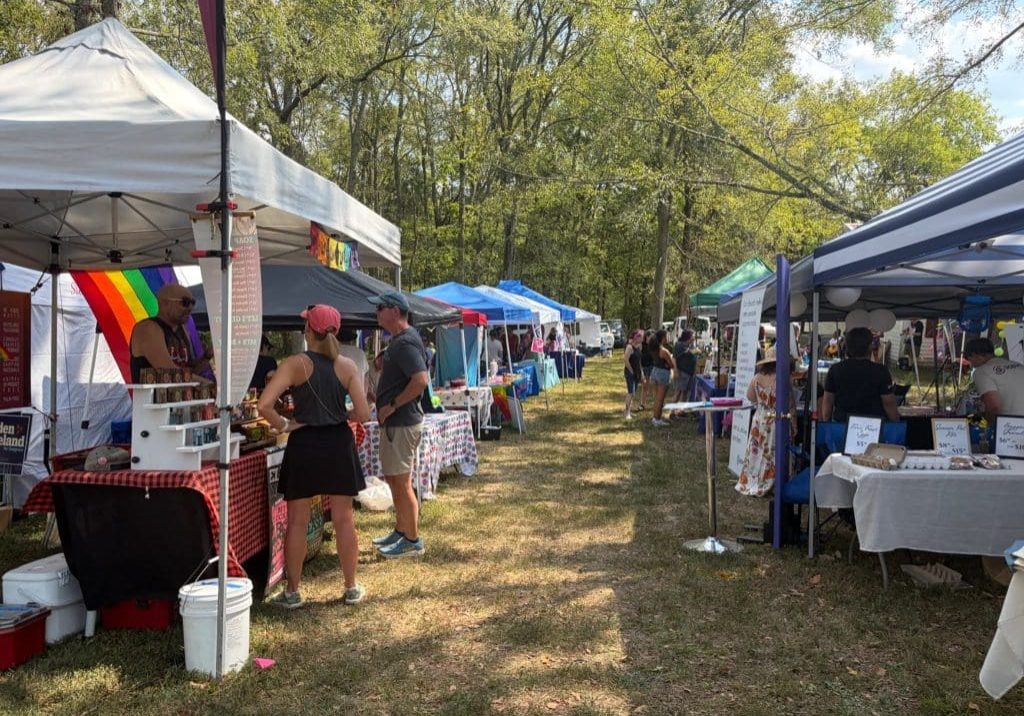
After losing its rural pride celebration, hundreds of people attended the second annual Affirming Sumner Pride celebration on a 24-acre farm dubbed “Fruity Farm” in Bethpage, Sumner County, Tennessee.

Signs of Life
In the Nantahala National Forest, a team of biologists spotted Indiana bats, an endangered species that hasn’t been seen in North Carolina for the last 11 years.

‘First Line of Defense’
During Hurricane Helene and its aftermath, rural fire departments and other first responder hubs played critical roles in keeping their communities safe, even without power and cut off from outside support for days or weeks after the storm. Two years later, plenty of work remains to ensure these hubs have the resources they need to operate day to day and be ready when emergencies or natural disasters strike.
The Rocky Road — and Bridge — to Recovery
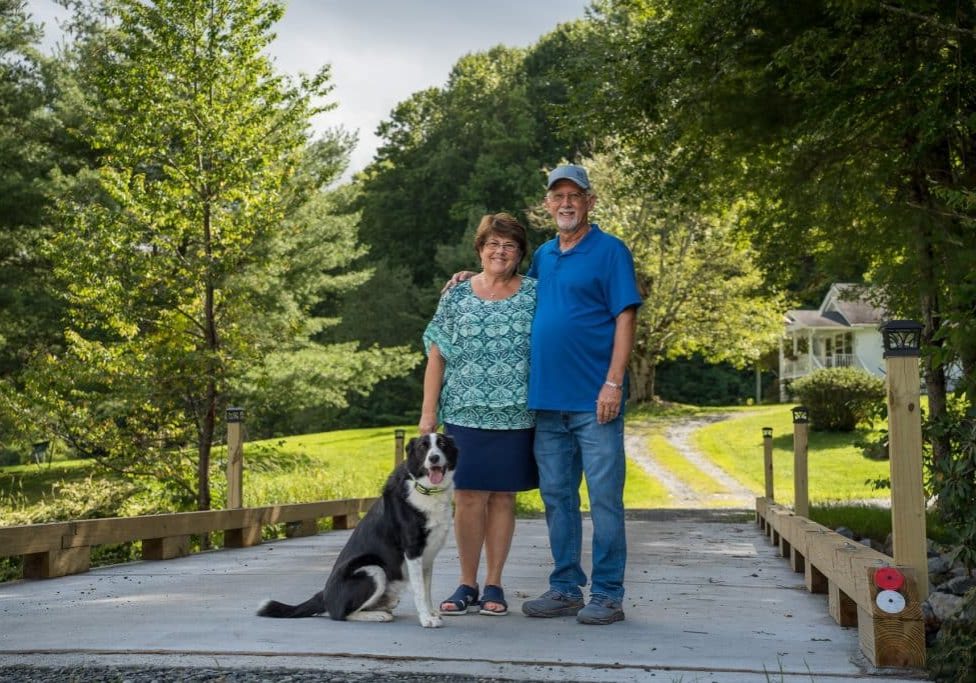
Hurricane Helene is estimated to have damaged nearly 7,000 private roads and bridges in Western North Carolina. Two years later, many restoration projects are complete, but the journey hasn’t been easy — and isn’t over for others.
After 20 Years, Letcher County Prison Proposal Is Still Alive, Though Obstacles Remain
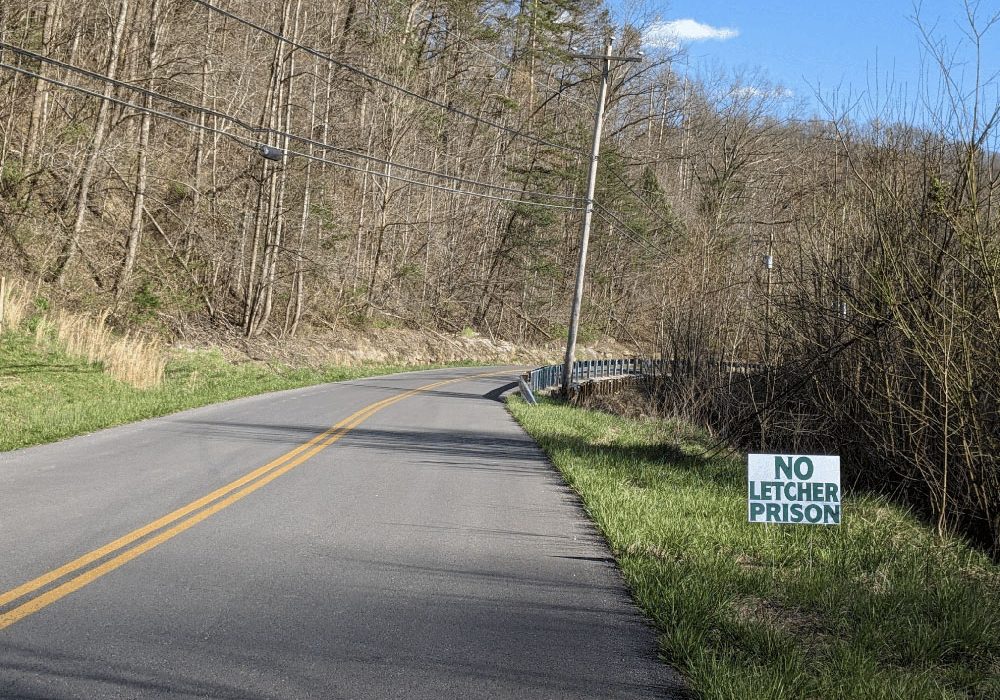
A $605 million proposal for a federal prison on a former strip mine site in Letcher County, Kentucky, championed by U.S. Rep. Hal Rogers, refuses to die, despite local opposition, a lack of support from the executive branch and numerous other obstacles.

Leave a comment
Your email address will not be published. Required fields are marked *
Leave a Comment