

Advancing Clean Power and Energy Democracy in State Legislatures
This issue of The Appalachian Voice explores several of the barriers that communities in our region are running into when they try and take advantage of the benefits of renewable energy. In the upcoming legislative sessions in Virginia and North Carolina, Appalachian Voices and our partners will be working to dismantle these barriers and make clean energy accessible to people across our region.
We’re asking the Virginia General Assembly to create and fund a grant program to incentivize more renewable energy development on coal-impacted lands and other areas damaged by prior industrial or commercial use. We’ll also be supporting bills that advance environmental justice and accelerate solar in the commonwealth.
In 2020, the Virginia General Assembly has a clear mandate to reform electric utility regulation to advance the public interest above Dominion Energy’s. As our Executive Director Tom Cormons wrote in a letter-to-the-editor published in The New York Times, the Democratic wave in Virginia’s recent elections may have made headlines, but the real story is how many of these new representatives declined funding from the state’s most powerful utility.
“Consider this: In a bid to salvage its influence over Virginia’s energy policy, Dominion Energy — the state’s biggest corporate campaign donor by far — increased its political giving by more than 35 percent over any past election cycle this decade.
“Yet this largess failed to prevent the election of nearly 50 candidates — including all eight who flipped seats to Democrats — who pointedly refused its money,” Tom’s letter reads.
He concludes, “The next General Assembly, and the governor, have a clear mandate to put an end to the special favors that enrich monopoly utilities at great cost to Virginians.” Read the full letter at appvoices.org/nyt-lte.
In North Carolina, we’re heartened by a recent legislative victory on S.B.559, where we and our partners overcame Duke Energy’s efforts to add multi-year rate hikes with less oversight into a ratemaking bill. Opposition to that provision from the environmental community, social justice advocates and some of the state’s most powerful businesses was strong and sustained, and the bill ultimately passed without it.
But we know Duke will try again to use its political sway to continue putting its business-as-usual practices ahead of a sustainable future and our best interests. We and our fellow members of the Energy Justice North Carolina coalition will be vigilant.
Related Articles
Latest News
More Stories

Halloween Approaches, and Night School Is in Session
The House of Art in Bluefield, West Virginia, looks like a haunted tower, making it the perfect location for its sixth annual haunt event: Night School. The Night School will be open every Friday and Saturday night through Oct. 31.
‘The Most Perfect Act of Love’
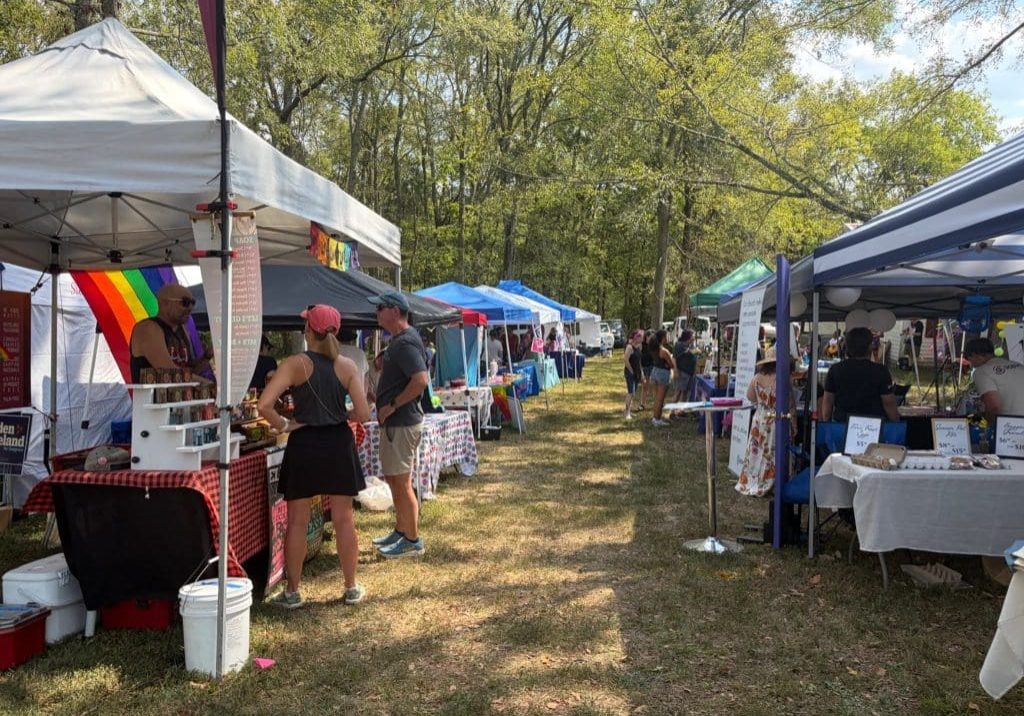
After losing its rural pride celebration, hundreds of people attended the second annual Affirming Sumner Pride celebration on a 24-acre farm dubbed “Fruity Farm” in Bethpage, Sumner County, Tennessee.

Signs of Life
In the Nantahala National Forest, a team of biologists spotted Indiana bats, an endangered species that hasn’t been seen in North Carolina for the last 11 years.
‘First Line of Defense’
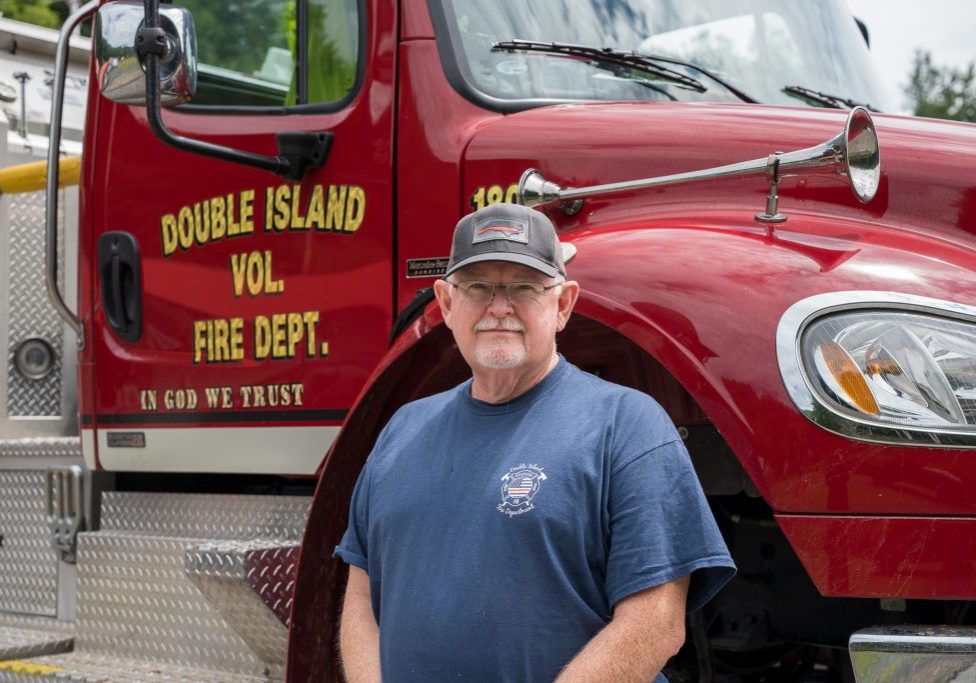
During Hurricane Helene and its aftermath, rural fire departments and other first responder hubs played critical roles in keeping their communities safe, even without power and cut off from outside support for days or weeks after the storm. Two years later, plenty of work remains to ensure these hubs have the resources they need to operate day to day and be ready when emergencies or natural disasters strike.
The Rocky Road — and Bridge — to Recovery
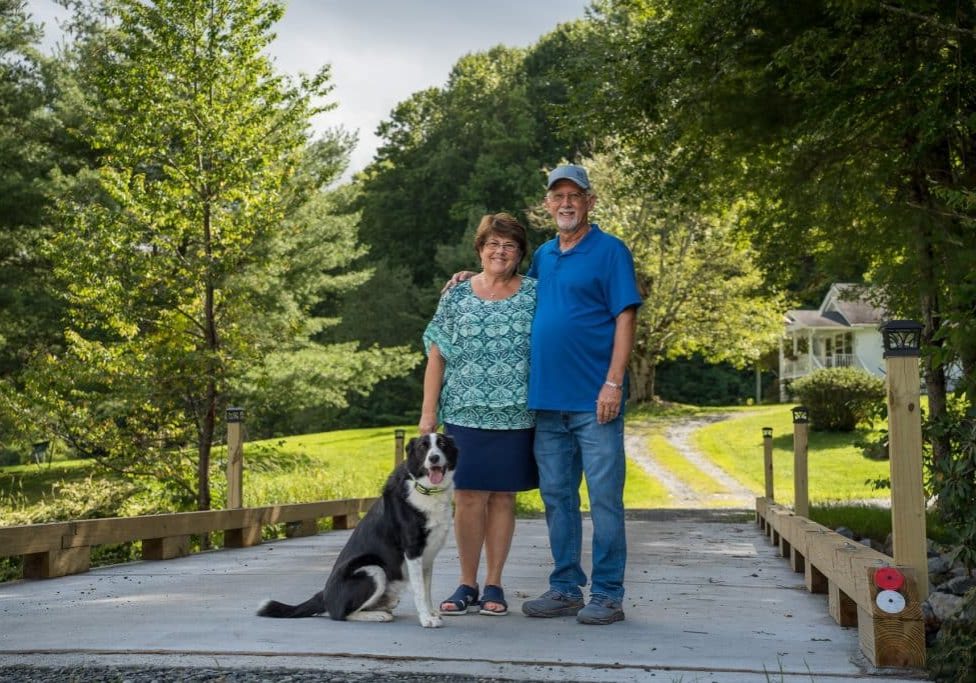
Hurricane Helene is estimated to have damaged nearly 7,000 private roads and bridges in Western North Carolina. Two years later, many restoration projects are complete, but the journey hasn’t been easy — and isn’t over for others.
After 20 Years, Letcher County Prison Proposal Is Still Alive, Though Obstacles Remain
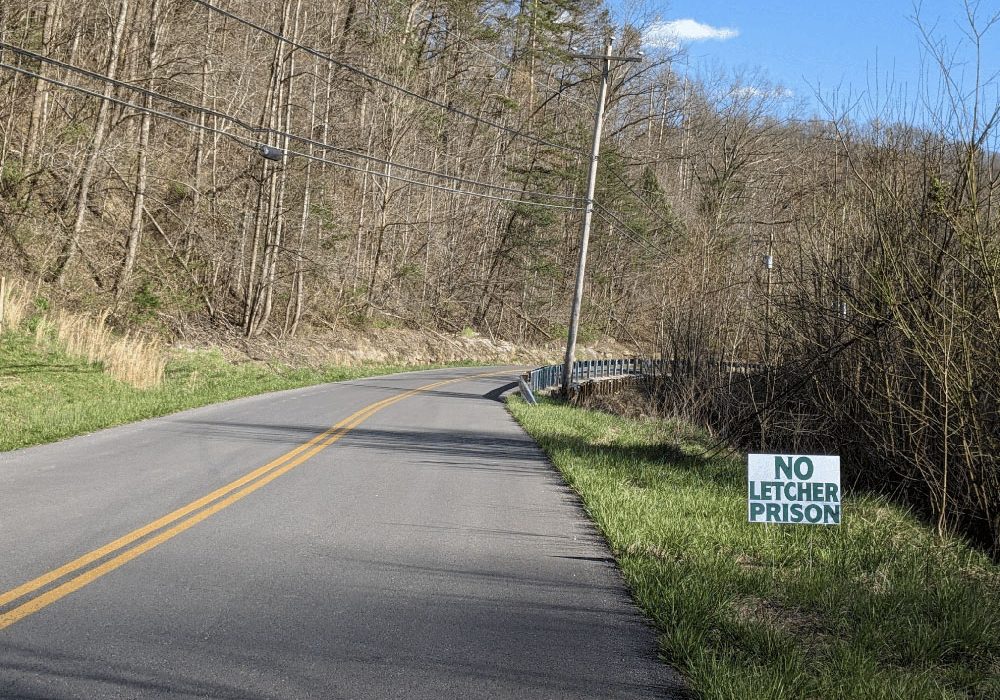
A $605 million proposal for a federal prison on a former strip mine site in Letcher County, Kentucky, championed by U.S. Rep. Hal Rogers, refuses to die, despite local opposition, a lack of support from the executive branch and numerous other obstacles.

Leave a comment
Your email address will not be published. Required fields are marked *
Leave a Comment