

A recent analysis of three Southeast wood pellet mills and the United Kingdom power plants that burn their pellets reveals that burning trees for electricity, even from sustainably managed forests, would increase carbon pollution for more than four decades as compared to the status quo. This exceeds the Intergovernmental Panel on Climate Change’s timeframe for critical carbon reduction.
Research firm Spatial Informatics Group conducted the study for the nonprofit Southern Environmental Law Center.
The three mills in the report are located in Louisiana and Mississippi and, combined, produce up to 1.5 million metric tons of wood pellets per year. This is sourced mainly from non-industrial pine plantations. The biomass is burned in the U.K., where mill owner Drax Biomass has converted four coal-fired units using government subsidies.
The Southern Environmental Law Center states that Southeast pine plantations are seen as a way to meet demand as the wood pellet industry rapidly expands.
The Spatial Informatics Group concludes that governments should “reallocate existing biomass subsidies to zero-emitting renewables like wind and solar,” according to a SELC press release— H.M.
Related Articles
Latest News
More Stories

Halloween Approaches, and Night School Is in Session
The House of Art in Bluefield, West Virginia, looks like a haunted tower, making it the perfect location for its sixth annual haunt event: Night School. The Night School will be open every Friday and Saturday night through Oct. 31.

‘The Most Perfect Act of Love’
After losing its rural pride celebration, hundreds of people attended the second annual Affirming Sumner Pride celebration on a 24-acre farm dubbed “Fruity Farm” in Bethpage, Sumner County, Tennessee.

Signs of Life
In the Nantahala National Forest, a team of biologists spotted Indiana bats, an endangered species that hasn’t been seen in North Carolina for the last 11 years.

‘First Line of Defense’
During Hurricane Helene and its aftermath, rural fire departments and other first responder hubs played critical roles in keeping their communities safe, even without power and cut off from outside support for days or weeks after the storm. Two years later, plenty of work remains to ensure these hubs have the resources they need to operate day to day and be ready when emergencies or natural disasters strike.

The Rocky Road — and Bridge — to Recovery
Hurricane Helene is estimated to have damaged nearly 7,000 private roads and bridges in Western North Carolina. Two years later, many restoration projects are complete, but the journey hasn’t been easy — and isn’t over for others.
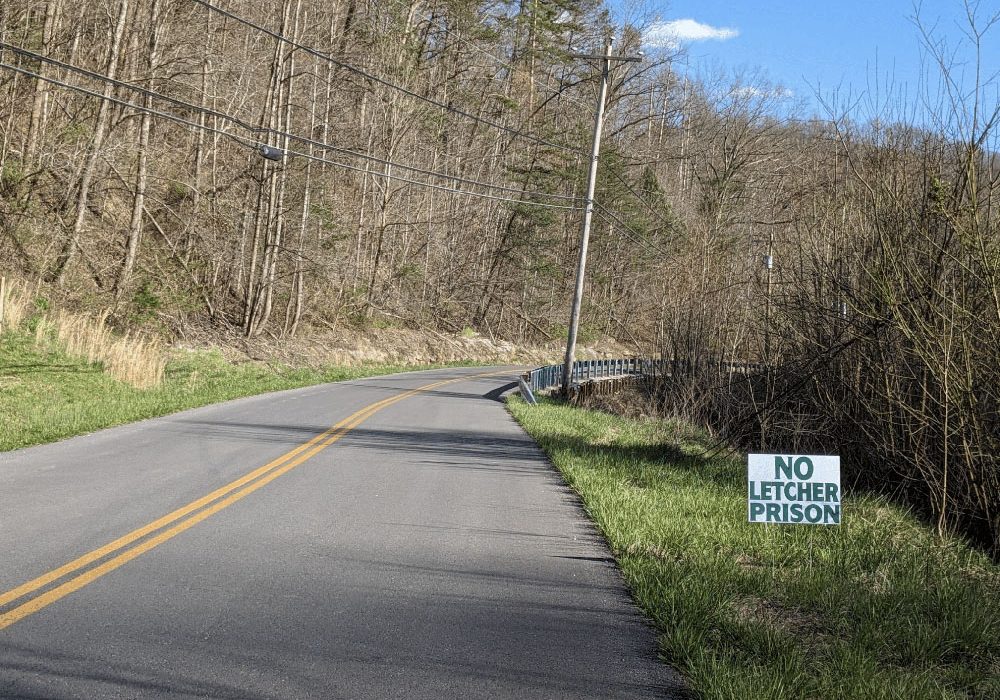
After 20 Years, Letcher County Prison Proposal Is Still Alive, Though Obstacles Remain
A $605 million proposal for a federal prison on a former strip mine site in Letcher County, Kentucky, championed by U.S. Rep. Hal Rogers, refuses to die, despite local opposition, a lack of support from the executive branch and numerous other obstacles.

Leave a comment
Your email address will not be published. Required fields are marked *
Leave a Comment