

States Sue Over New EPA Carbon Rule
In August, 22 states and seven cities, including Virginia and North Carolina, sued the U.S. Environmental Protection Agency over the Affordable Clean Energy rule, which loosens Obama-era restrictions on coal-fired power plants. The states behind the lawsuit all have Democratic attorney generals who claim the rule violates the federal Clean Air Act by undercutting efforts to reduce greenhouse gas emissions and the carbon footprint of power plants. West Virginia Attorney General Patrick Morrisey calls the lawsuit a “power grab,” according to WOWK-TV. — Hannah McAlister
Co-op Members Condemn Board Actions
After Powell Valley Electric Cooperative’s Sept. 21 annual meeting, member-owners with co-op reform group PVEC Member Voices accused co-op leadership of mischaracterizing a proposed bylaw amendment before it was voted down by the membership. The amendment would have clarified members’ ability to attend and record board meetings, access minutes and address the board as a permanent right.
A PVEC attorney incorrectly told members that the amendment would lead to a rate increase, according to member-owner Bill Kornrich. When Kornrich attempted to speak, PVEC Board Chair Roger Ball disallowed further discussion. After Kornrich resubmitted a clarified amendment for a vote in 2020, Ball instead called for an immediate vote contrary to co-op procedure. The amendment failed. — K.R.
Clean Air Lawsuit Against North Carolina University
On Sept. 17, the Center for Biological Diversity and the Sierra Club filed a notice of intent to sue the University of North Carolina at Chapel Hill for ongoing violations of the federal Clean Air Act. The infractions include using two outdated coal-burning boilers and exceeding federal air pollution limits. — Rachael Kelley
Report on Ohio Secret Fracking Chemicals
A report by Partnership for Policy Integrity discovered that between 2013 and 2018, Ohio gas and oil companies injected classified chemicals nearly 11,000 times into more than 1,400 wells. Ohio law does not require disclosure of chemicals deemed “trade secrets.” The report authors say this puts the public at risk and prevents first responders from preparing for chemical spills. — R.K.
New Power Plant Application Filed in West Virginia
In September, the owner of Longview Power in West Virginia applied to build a combined-cycle gas-fired power plant and a solar facility adjacent to its coal-fired plant. The gas-fired power plant would include a 6.2 mile-long, 20-inch-diameter gas pipeline. — R.K.
CSX Fined for West Virginia Oil Spill
In 2018, attorneys representing the United States, West Virginia and the W.Va. Department of Environmental Protection filed a complaint against CSX Transportation, Inc., for a train that derailed in 2015 and spilled oil into West Virginia waterways. A federal court granted a consent decree on Sept. 16, imposing a civil penalty of $2.2 million on CSX. — By R.K.
Emissions Control Devices Altered on Fracking Trucks
Between 2013 and 2016, five individuals admitted to altering emission control devices on heavy duty trucks used in Marcellus Shale gas fracking fields. On Aug. 21, Brian Mellott became the sixth to plead guilty. According to Patriot-News, the workers tampered with the emissions devices to reduce maintenance downtime and repair costs. — By R.K.
Related Articles
Latest News
More Stories

Halloween Approaches, and Night School Is in Session
The House of Art in Bluefield, West Virginia, looks like a haunted tower, making it the perfect location for its sixth annual haunt event: Night School. The Night School will be open every Friday and Saturday night through Oct. 31.
‘The Most Perfect Act of Love’
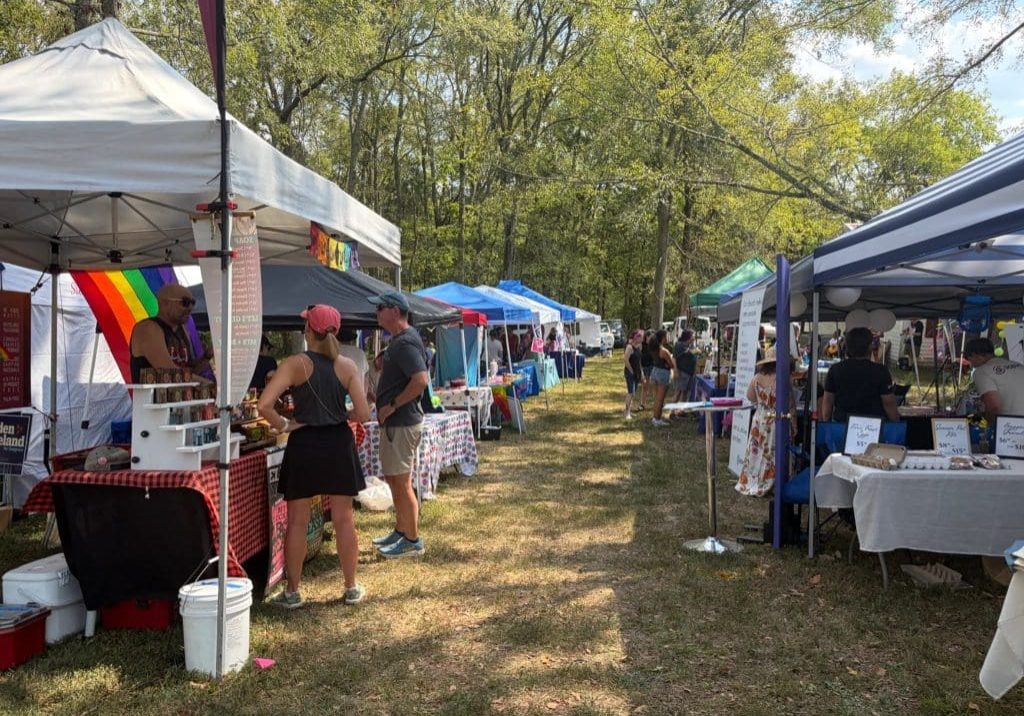
After losing its rural pride celebration, hundreds of people attended the second annual Affirming Sumner Pride celebration on a 24-acre farm dubbed “Fruity Farm” in Bethpage, Sumner County, Tennessee.

Signs of Life
In the Nantahala National Forest, a team of biologists spotted Indiana bats, an endangered species that hasn’t been seen in North Carolina for the last 11 years.

‘First Line of Defense’
During Hurricane Helene and its aftermath, rural fire departments and other first responder hubs played critical roles in keeping their communities safe, even without power and cut off from outside support for days or weeks after the storm. Two years later, plenty of work remains to ensure these hubs have the resources they need to operate day to day and be ready when emergencies or natural disasters strike.

The Rocky Road — and Bridge — to Recovery
Hurricane Helene is estimated to have damaged nearly 7,000 private roads and bridges in Western North Carolina. Two years later, many restoration projects are complete, but the journey hasn’t been easy — and isn’t over for others.
After 20 Years, Letcher County Prison Proposal Is Still Alive, Though Obstacles Remain
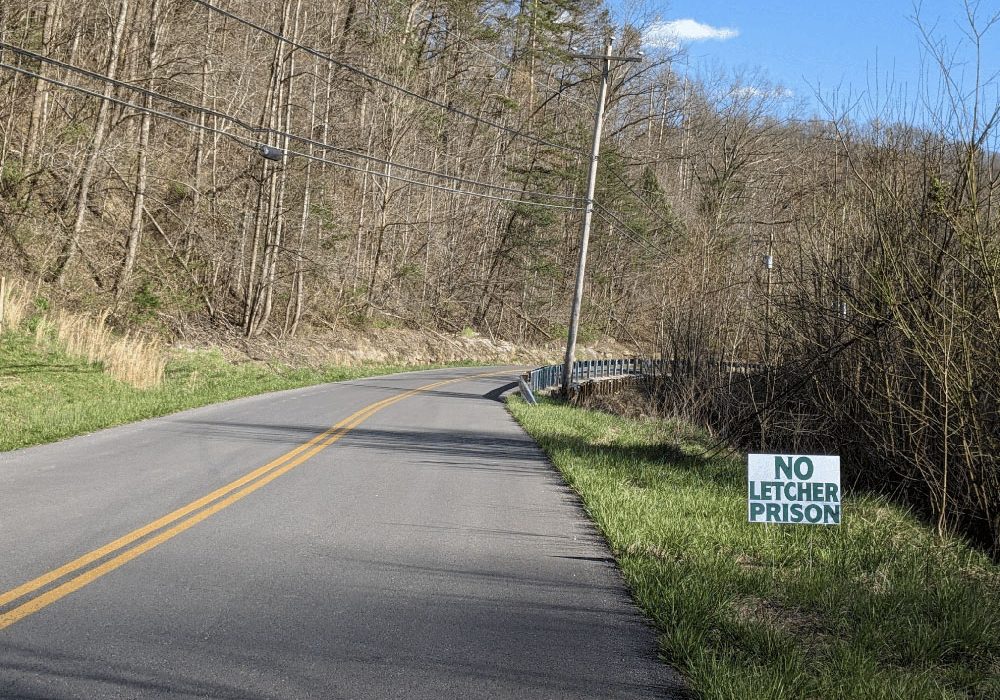
A $605 million proposal for a federal prison on a former strip mine site in Letcher County, Kentucky, championed by U.S. Rep. Hal Rogers, refuses to die, despite local opposition, a lack of support from the executive branch and numerous other obstacles.

Leave a comment
Your email address will not be published. Required fields are marked *
Leave a Comment