

Fire Destroys Office at Highlander Center, White Supremacy Sign Found
A fire engulfed the main office building at the Highlander Research and Education Center in New Market, Tenn., on March 29. A symbol associated with white supremacy was found spray-painted at the center’s parking lot. State and county law enforcement is still investigating the cause of the fire with some federal assistance.
“While we do not know the names of the culprits, we know that the white power movement has been increasing and consolidating power across the South, across this nation, and globally,” stated the center’s April 2 press release.
The building was demolished but nobody was harmed in the blaze, which started in the early morning hours. The fire destroyed documents, memorabilia and other records, although many archives from Highlander’s 87-year history are stored off-site in Wisconsin.
Formed in 1932 as the Highlander Folk School in Monteagle, Tenn., the center has long been a hub for racial, social and economic justice organizing in the South. Highlander held its first racially integrated workshop in 1944 as part of the fight to end segregation in labor unions, and served as a training ground and gathering place for civil rights organizers including Rosa Parks and Martin Luther King, Jr.
The state of Tennessee revoked Highlander’s charter in 1961, but it was renamed and reopened the following day. The center has been located in New Market, Tenn., since 1972. Highlander’s current social justice work includes connecting Appalachian, Deep South and immigrant communities, supporting LGBTQ+ rights and strengthening multi-racial and intergenerational organizing.
“What’s next for Highlander is that we will continue to be that sacred place, that movement home, that place where strategy is developed, that place where principled struggle happens, that place that accompanies movement, that place that incubates radical work, and that place that demands transformative justice,” stated the center’s press release.
To learn more or make a donation, visit highlandercenter.org. — By Molly Moore
Related Articles
Latest News
More Stories
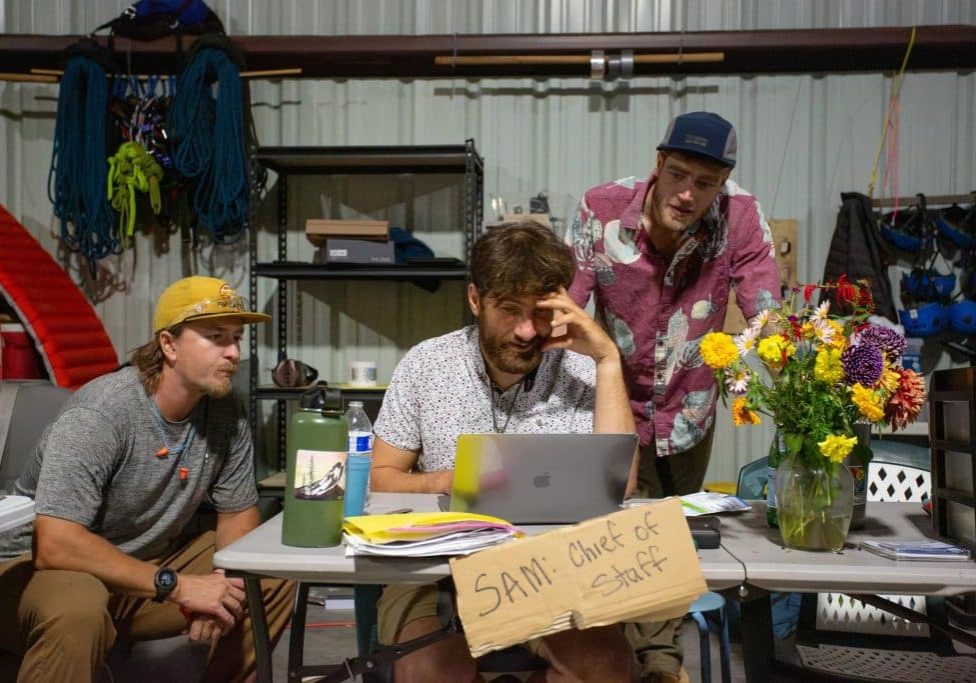
Neighbors Help Neighbors
A photo essay that celebrates the volunteer spirit of the grassroots group Hurricane Helene WNC and speaks to the resourcefulness, collaboration and hard work embodied by thousands and thousands of volunteers, first responders and aid workers across the region after Hurricane Helene.

Halloween Approaches, and Night School Is in Session
The House of Art in Bluefield, West Virginia, looks like a haunted tower, making it the perfect location for its sixth annual haunt event: Night School. The Night School will be open every Friday and Saturday night through Oct. 31.
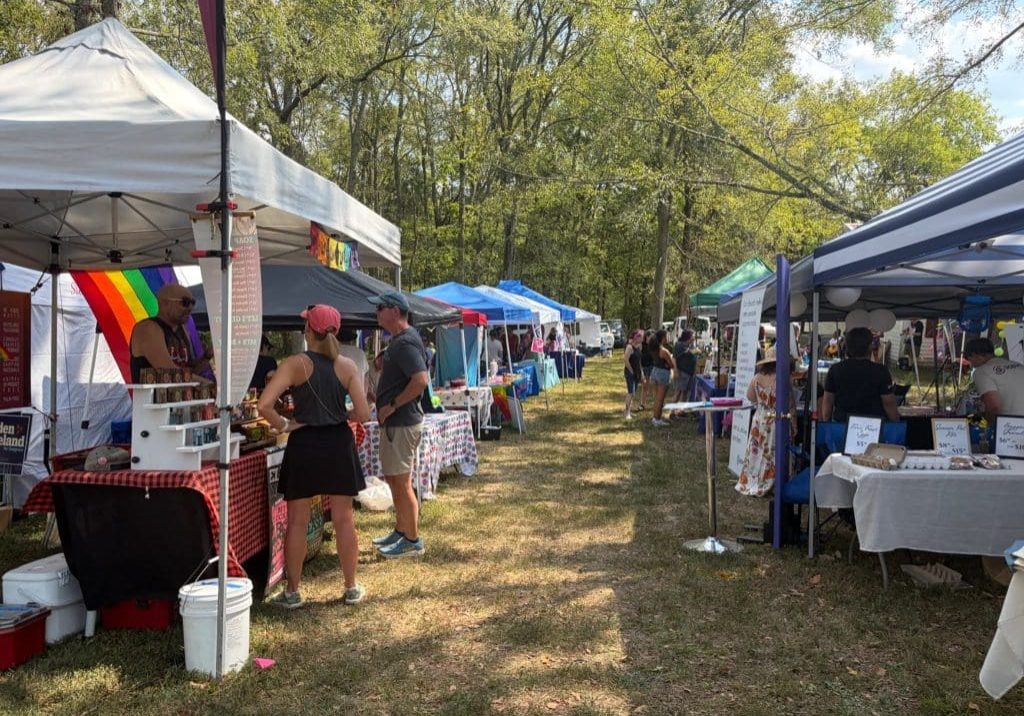
‘The Most Perfect Act of Love’
Hundreds of people attended the second annual Affirming Sumner Pride celebration on a 24-acre farm dubbed “Fruity Farm” in Bethpage, Sumner County, Tennessee.
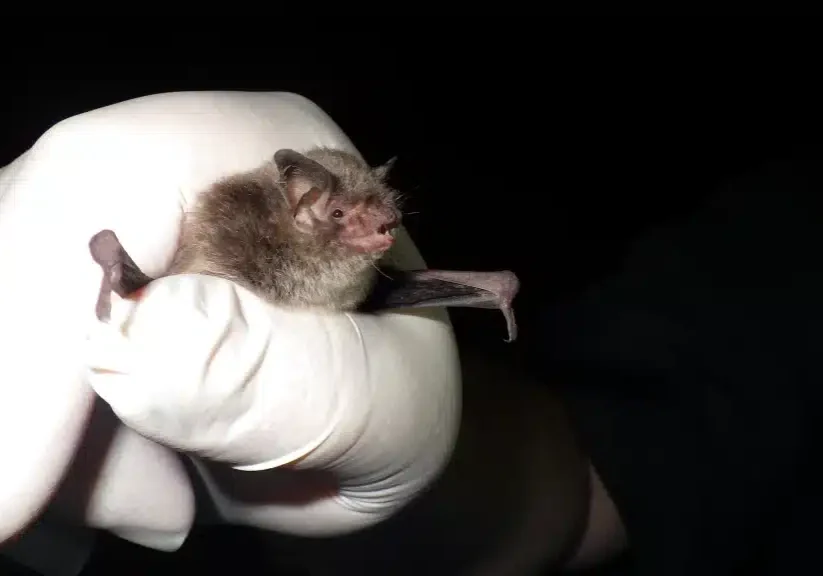
Signs of Life: Endangered Bats Found in Nantahala for First Time in More Than a Decade
In the Nantahala National Forest, a team of biologists spotted Indiana bats, an endangered species that hasn’t been seen in North Carolina for the last 11 years.

‘First Line of Defense’
During Hurricane Helene and its aftermath, rural fire departments and other first responder hubs played critical roles in keeping their communities safe, even without power and cut off from outside support for days or weeks after the storm. Two years later, plenty of work remains to ensure these hubs have the resources they need to operate day to day and be ready when emergencies or natural disasters strike.

The Rocky Road — and Bridge — to Recovery
Hurricane Helene is estimated to have damaged nearly 7,000 private roads and bridges in Western North Carolina. Two years later, many restoration projects are complete, but the journey hasn’t been easy — and isn’t over for others.

Leave a comment
Your email address will not be published. Required fields are marked *
Leave a Comment