

Groups File Lawsuit Against Mountaintop Removal Coal Mine in West Virginia
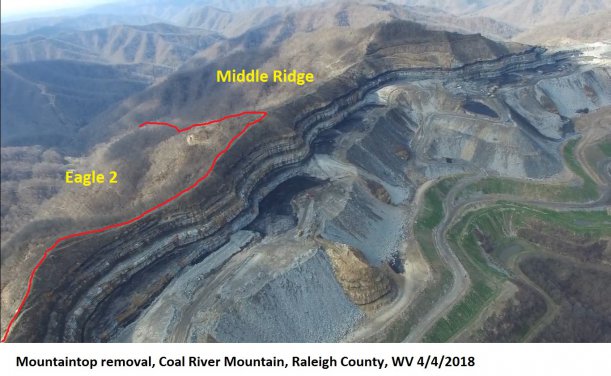 In November, Coal River Mountain Watch, the Sierra Club and Appalachian Voices, the publisher of this newspaper, filed a federal lawsuit against mining company Republic Energy to halt coal mining activities at the Eagle 2 site in Raleigh County, W.Va. The groups state that Republic is unlawfully mining one of the only remaining intact ridges on the heavily mined Coal River Mountain with a permit that expired in 2011.
“Republic has waited 10 years to begin mining the Eagle 2 permit. In that time, demand for coal has decreased substantially,” says Debbie Jarrell, co-director of Coal River Mountain Watch, which is based near the mine site. “There is no conceivable reason that this mountain should be mined at this point.”
Surface mining permits terminate after three years if no mining has started and if the permit holder has not met standards for an extension, and this permit was issued in 2008.
Although Republic did not start mining or file for an extension before 2011, the West Virginia Department of Environmental Protection treated the mining permit as valid when the company began mining operations in spring 2018. Plaintiffs argue that the company did not request several additional extensions and did not offer a valid justification for why it waited an additional seven years to begin mining.
Environmental groups state that a new permit would take into consideration the most up-to-date information such as existing levels of water pollution from nearby mines, and incorporate up-to-date mining requirements.
The DEP has issued multiple notices of violation to several adjacent permits on Coal River Mountain, including 11 in the last two years to the operators of Middle Ridge Mine.
“What our communities need now is support in developing a new economy that benefits local people, promotes well-being and preserves the environment,” says Jarrell. “Mining at Coal River Mountain is more than just about a permit; this is our lives being erased to pander to the few wealthy coal corporations.” — By Erin Savage
Related Articles
Latest News
More Stories

Halloween Approaches, and Night School Is in Session
The House of Art in Bluefield, West Virginia, looks like a haunted tower, making it the perfect location for its sixth annual haunt event: Night School. The Night School will be open every Friday and Saturday night through Oct. 31.
‘The Most Perfect Act of Love’
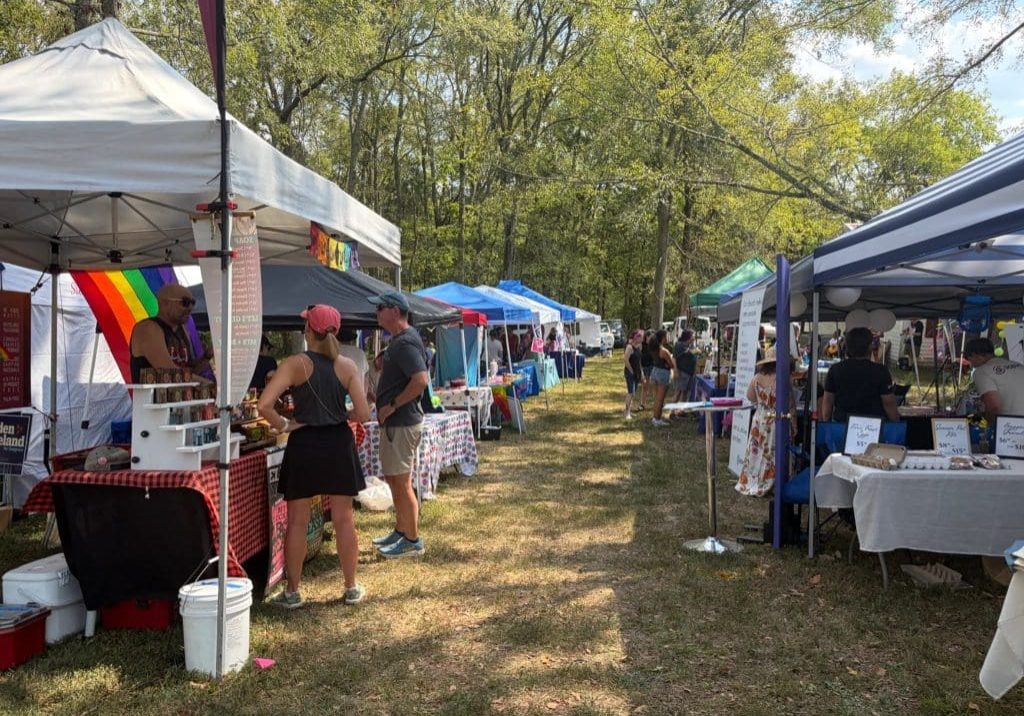
After losing its rural pride celebration, hundreds of people attended the second annual Affirming Sumner Pride celebration on a 24-acre farm dubbed “Fruity Farm” in Bethpage, Sumner County, Tennessee.
Signs of Life
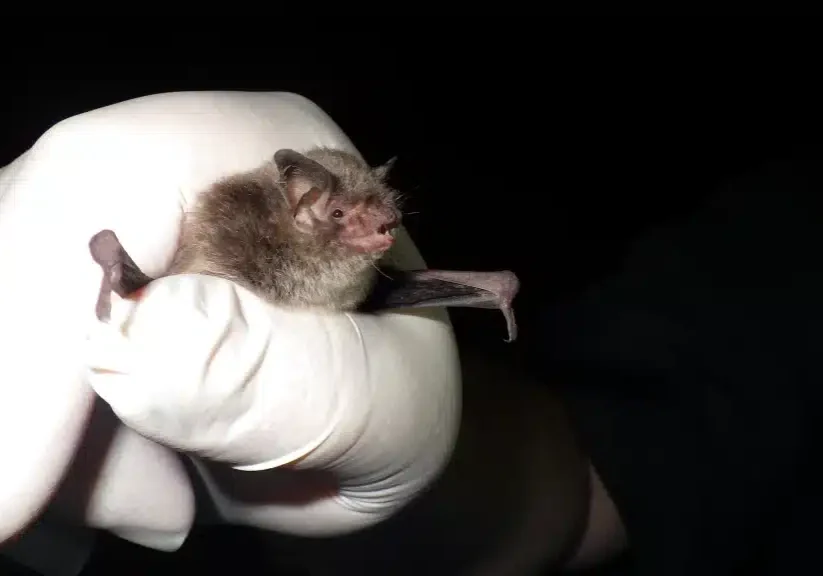
In the Nantahala National Forest, a team of biologists spotted Indiana bats, an endangered species that hasn’t been seen in North Carolina for the last 11 years.

‘First Line of Defense’
During Hurricane Helene and its aftermath, rural fire departments and other first responder hubs played critical roles in keeping their communities safe, even without power and cut off from outside support for days or weeks after the storm. Two years later, plenty of work remains to ensure these hubs have the resources they need to operate day to day and be ready when emergencies or natural disasters strike.

The Rocky Road — and Bridge — to Recovery
Hurricane Helene is estimated to have damaged nearly 7,000 private roads and bridges in Western North Carolina. Two years later, many restoration projects are complete, but the journey hasn’t been easy — and isn’t over for others.
After 20 Years, Letcher County Prison Proposal Is Still Alive, Though Obstacles Remain
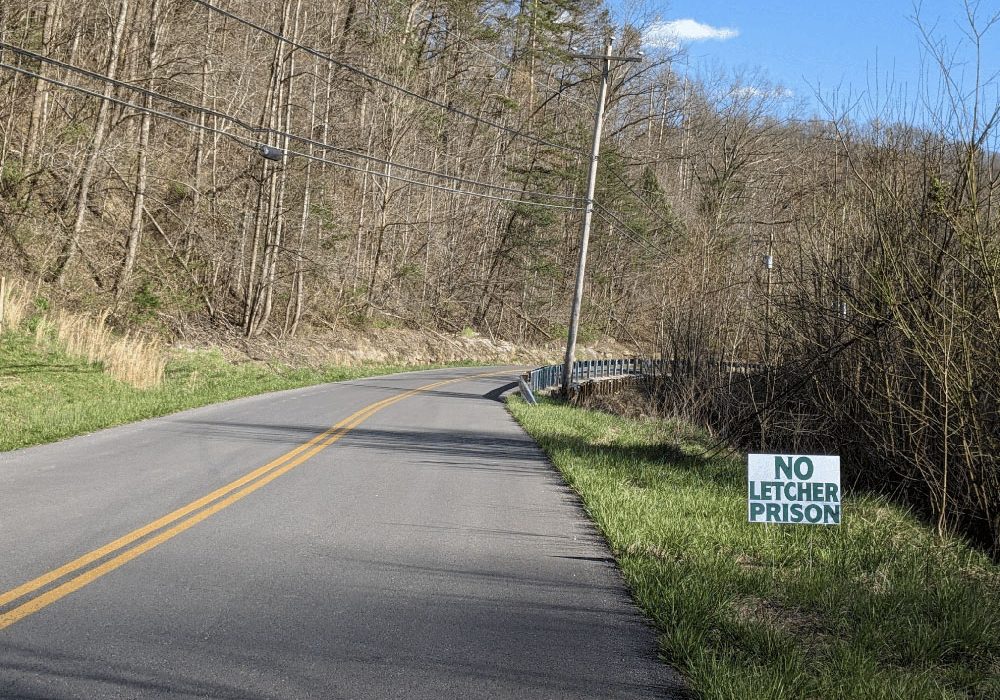
A $605 million proposal for a federal prison on a former strip mine site in Letcher County, Kentucky, championed by U.S. Rep. Hal Rogers, refuses to die, despite local opposition, a lack of support from the executive branch and numerous other obstacles.

Leave a comment
Your email address will not be published. Required fields are marked *
One response to “Groups File Lawsuit Against Mountaintop Removal Coal Mine in West Virginia”
-

This area is home to where I grew up playing in coal ash as a sandbox. Scraping coal out of a mountain like gutting a pumpkin just to run a 17th Century steam engine for energy is not sustainable. As that mine played out and many elders died of black lung, my parents smartly followed the trains out of the area for better opportunities. Why do I, like many people visit WV today? Tourism, the beauty of the mountains, and the outdoor activities. Has tourism not displaced coal and chemical industries as the number one reason people spend money in WV? Build better communities in Appalachia by transitioning energy and workforces.

Leave a Comment