

Advancing a Democratic Energy System

Appalachian Voices’ Executive Director Tom Cormons
We need an energy system that is responsive and responsible to the people it serves, one that prioritizes affordable energy efficiency and renewable energy options. In other words, we need energy democracy. Unfortunately, instead of advancing accessible clean energy, many of our utilities are prioritizing profits by working to further entrench the status quo. For instance, Duke Energy and Dominion Energy are looking to saddle ratepayers with the cost of the unnecessary and destructive $7 billion Atlantic Coast Pipeline.
These same utility giants, alongside others like the Tennessee Valley Authority and Appalachian Power, are resisting policies that would allow residents to buy solar power from independent companies instead. These third-party power purchase agreements have fostered solar growth and energy independence in other parts of the country. Residents of Appalachia deserve the same opportunity.
All too often, member-owned electric cooperatives are also standing in the way of progress. All 13 electric cooperatives in Virginia recently intervened in a case brought by three member-owners of one co-op who are seeking more transparency from their cooperative (read more here).
With clean energy solutions available and increasingly affordable, the only equitable system is one that offers citizens a choice over how — and from whom — they buy power, and that allows small solar generators to fully participate in the market.
This issue of The Appalachian Voice includes the second installment of a two-part series focused on our electricity system. In the last issue we examined some major problems; here we examine some solutions, sharing stories of how people are reclaiming their power, both literally and figuratively.
Appalachian Voices is committed to advancing energy democracy in our region, and we hope you’ll join us as we build this road together in 2019.
For a fair and clean energy system,
Tom Cormons, Executive Director
Related Articles
Latest News
More Stories

Halloween Approaches, and Night School Is in Session
The House of Art in Bluefield, West Virginia, looks like a haunted tower, making it the perfect location for its sixth annual haunt event: Night School. The Night School will be open every Friday and Saturday night through Oct. 31.
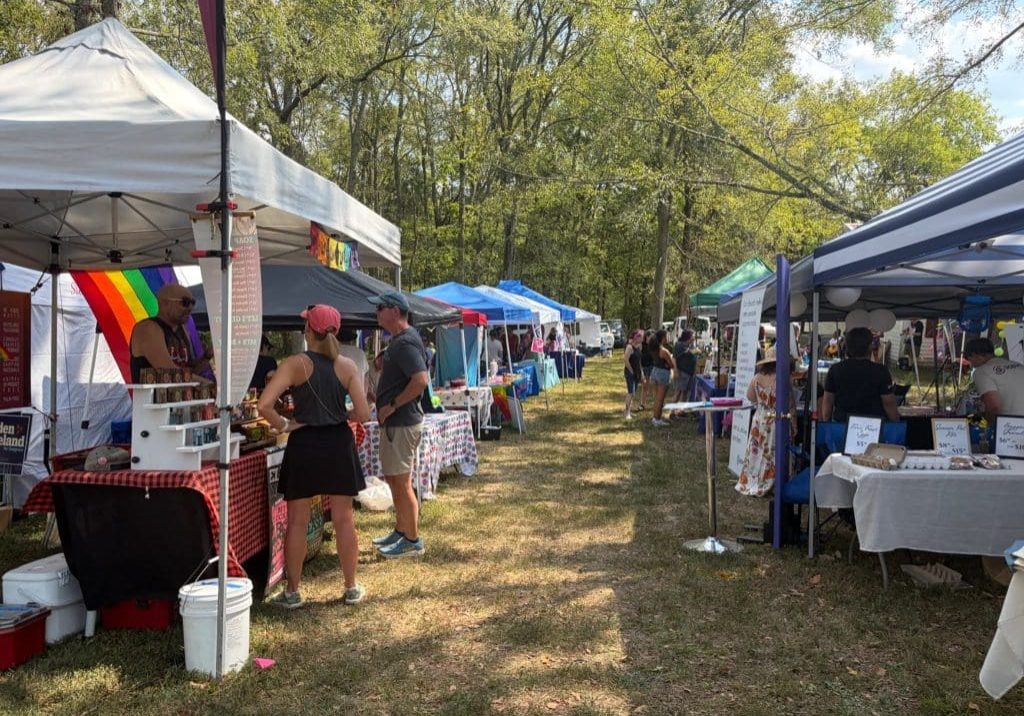
‘The Most Perfect Act of Love’
After losing its rural pride celebration, hundreds of people attended the second annual Affirming Sumner Pride celebration on a 24-acre farm dubbed “Fruity Farm” in Bethpage, Sumner County, Tennessee.

Signs of Life
In the Nantahala National Forest, a team of biologists spotted Indiana bats, an endangered species that hasn’t been seen in North Carolina for the last 11 years.
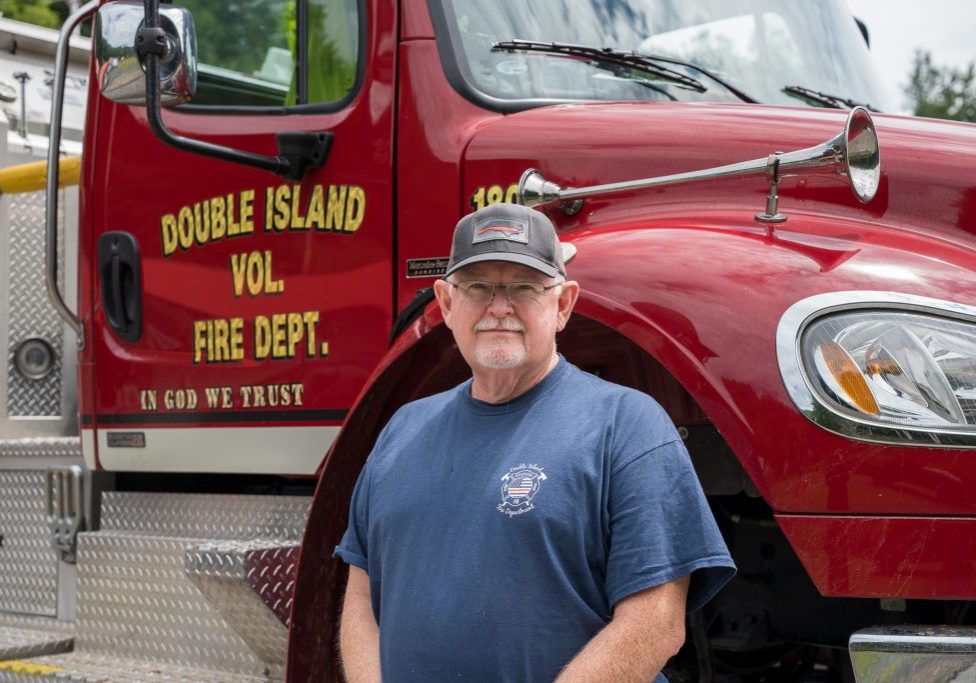
‘First Line of Defense’
During Hurricane Helene and its aftermath, rural fire departments and other first responder hubs played critical roles in keeping their communities safe, even without power and cut off from outside support for days or weeks after the storm. Two years later, plenty of work remains to ensure these hubs have the resources they need to operate day to day and be ready when emergencies or natural disasters strike.
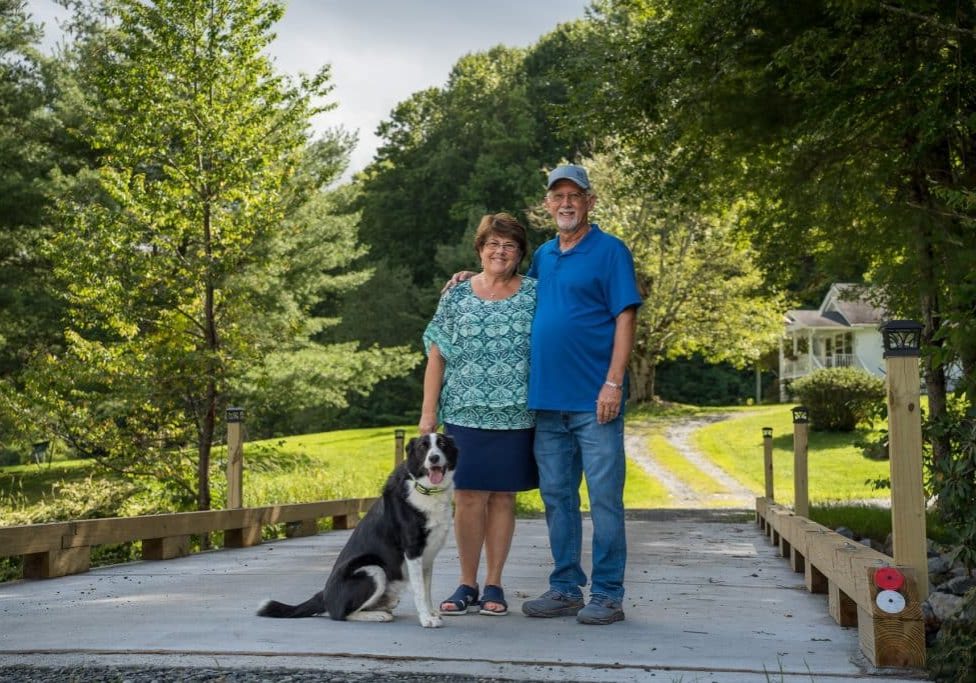
The Rocky Road — and Bridge — to Recovery
Hurricane Helene is estimated to have damaged nearly 7,000 private roads and bridges in Western North Carolina. Two years later, many restoration projects are complete, but the journey hasn’t been easy — and isn’t over for others.
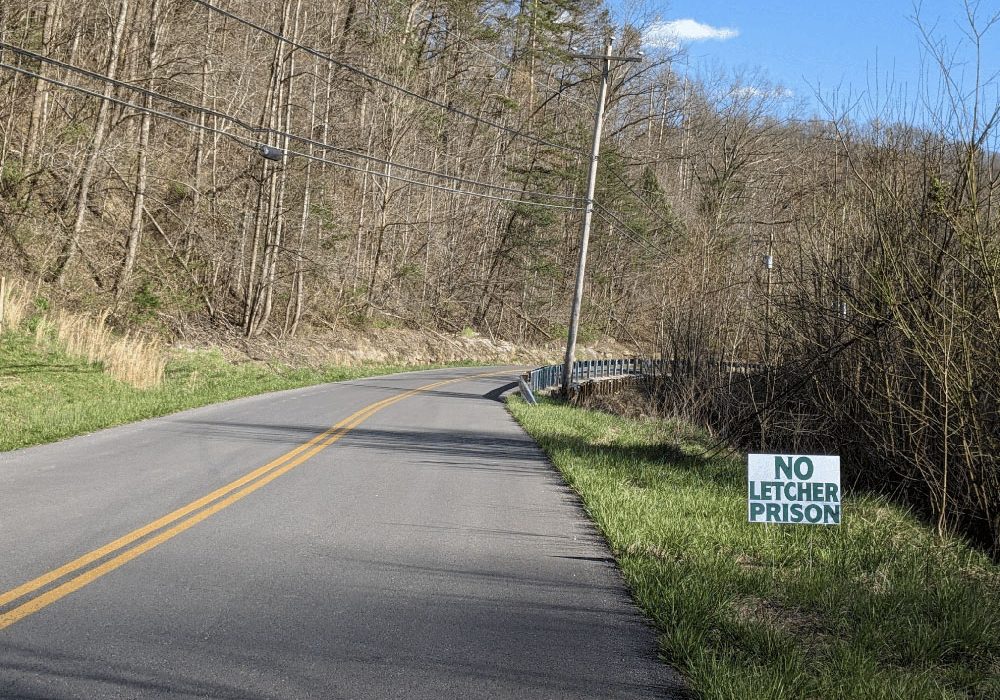
After 20 Years, Letcher County Prison Proposal Is Still Alive, Though Obstacles Remain
A $605 million proposal for a federal prison on a former strip mine site in Letcher County, Kentucky, championed by U.S. Rep. Hal Rogers, refuses to die, despite local opposition, a lack of support from the executive branch and numerous other obstacles.

Leave a comment
Your email address will not be published. Required fields are marked *
Leave a Comment