

Laying the Groundwork for Innovative Mine Reclamation Projects
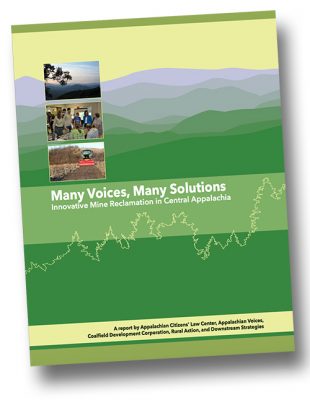
In November, we joined a coalition of Central Appalachian groups in the release of a report highlighting 20 innovative projects that would clean up abandoned coal mine lands and give them new life as sustainable agriculture businesses, solar farms or other economic ventures. The report, Many Voices, Many Solutions: Innovative Mine Reclamation in Central Appalachia, provides economic impact data on the projects, which can be adapted and replicated across the region.
Communities in Kentucky, Ohio, Virginia and West Virginia are saddled with thousands of coal-impacted sites that were abandoned and never cleaned up and which now pose threats to public health and impede local economic growth. Local leaders and entrepreneurs are working to repurpose these damaged lands for economic solutions specific to each location’s context.
The report highlights five sites in each of the four states that represent prime opportunities for a variety of funding streams, including existing federal sources and the draft RECLAIM Act, which is awaiting a vote in Congress.
Examples include: an affordable green-energy subdivision near abandoned mine lands in Hazard, Ky., a facility in Corning, Ohio, that uses acid mine drainage to produce paint pigment, an outdoor adventure resort on a reclaimed highwall mining site in Dickenson County, Va., and a mixed agriculture and renewable energy project on a former strip mine in Boone County, W.Va.
The report was authored by the Reclaiming Appalachia Coalition, which seeks to spur mine reclamation projects throughout Central Appalachia that are responsive to community needs and that accelerate the growth of new, sustainable economic sectors.
The coalition consists of lead organizations in four states — Appalachian Voices in Virginia, Appalachian Citizens’ Law Center in Kentucky, Coalfield Development Corporation in West Virginia, and Rural Action in Ohio — and a regional technical expert, Downstream Strategies, based in West Virginia.
“This report marks an important step as Appalachian citizens continue to re-imagine and work toward a future of sustainable and healthy local economies, where young people can find meaningful work and stay to raise their own families,” says Adam Wells, regional director of community and economic development with Appalachian Voices.
Past efforts to reuse old mine sites have generated sparse lasting economic activity. The “if you build it, they will come” industrial parks and golf courses now largely sit empty and unused. The 166 Appalachian counties within the project area represent a population of more than 5.7 million people, nearly 40 percent of whom live in counties categorized by the Appalachian Regional Commission as at-risk or distressed based on unemployment, income and poverty factors.
To break free from this unsuccessful approach to coal site reclamation, the coalition established six guiding principles to identify optimal repurposing projects, including ensuring they are appropriate to the place in which they are occurring, that they include non-traditional stakeholders in decision-making, and that they are environmentally sustainable and financially viable long-term.
Related Articles
Latest News
More Stories
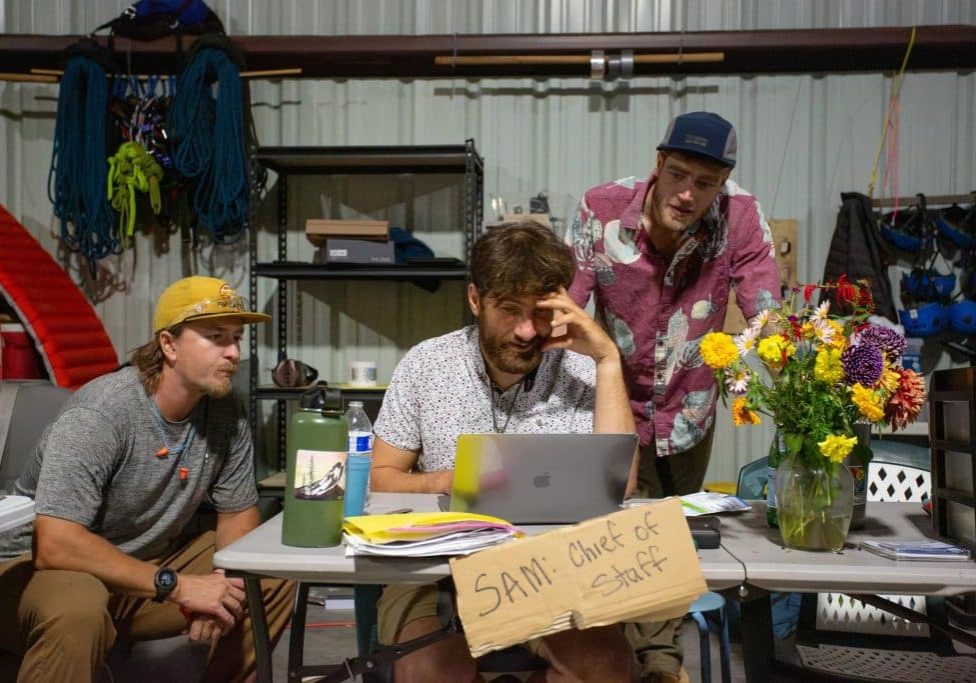
Neighbors Help Neighbors
A photo essay that celebrates the volunteer spirit of the grassroots group Hurricane Helene WNC and speaks to the resourcefulness, collaboration and hard work embodied by thousands and thousands of volunteers, first responders and aid workers across the region after Hurricane Helene.

Halloween Approaches, and Night School Is in Session
The House of Art in Bluefield, West Virginia, looks like a haunted tower, making it the perfect location for its sixth annual haunt event: Night School. The Night School will be open every Friday and Saturday night through Oct. 31.
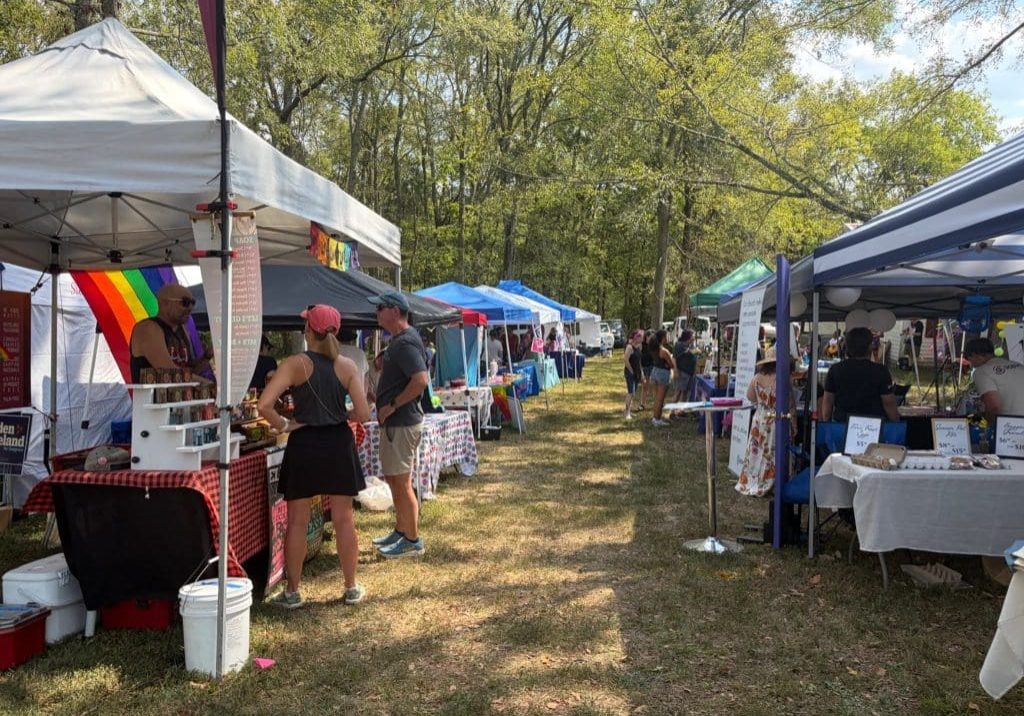
‘The Most Perfect Act of Love’
Hundreds of people attended the second annual Affirming Sumner Pride celebration on a 24-acre farm dubbed “Fruity Farm” in Bethpage, Sumner County, Tennessee.

Signs of Life: Endangered Bats Found in Nantahala for First Time in More Than a Decade
In the Nantahala National Forest, a team of biologists spotted Indiana bats, an endangered species that hasn’t been seen in North Carolina for the last 11 years.

‘First Line of Defense’
During Hurricane Helene and its aftermath, rural fire departments and other first responder hubs played critical roles in keeping their communities safe, even without power and cut off from outside support for days or weeks after the storm. Two years later, plenty of work remains to ensure these hubs have the resources they need to operate day to day and be ready when emergencies or natural disasters strike.

The Rocky Road — and Bridge — to Recovery
Hurricane Helene is estimated to have damaged nearly 7,000 private roads and bridges in Western North Carolina. Two years later, many restoration projects are complete, but the journey hasn’t been easy — and isn’t over for others.

Leave a comment
Your email address will not be published. Required fields are marked *
One response to “Laying the Groundwork for Innovative Mine Reclamation Projects”
-

How to I convince middlesboro kentucy. Or parts of Lee and wise county to try???

Leave a Comment