

By Elizabeth E. Payne
On July 17, the U.S. Environmental Protection Agency released a new rule establishing national standards for handling the storage and disposal of coal ash, the toxic byproduct of burning coal to make electricity.
This effort, which replaces stricter rules established by the Obama administration in 2015, delays the dates by which existing coal ash dumps must be closed, lifts requirements for monitoring surrounding groundwater for contamination, and allows states to assume responsibility for regulating coal ash within their borders.
According to the Energy News Network, Georgia is hoping to follow Oklahoma by gaining federal approval to regulate its own coal ash.
“The entire reason we have a national coal ash rule is that the state agencies failed to protect us from disasters like TVA’s Kingston spill and Duke Energy’s Dan River disaster,” said Frank Holleman, senior attorney with nonprofit law firm Southern Environmental Law Center, in a press release.
The 2008 and 2014 disasters he mentioned dumped 1.1 billion and 27 million gallons, respectively, of coal ash sludge into surrounding waterways. The EPA’s 2015 regulations were put in place in response to these significant spills.
The new standards were signed by Andrew Wheeler, the acting administrator for the EPA and a former lobbyist for the coal-mining company Murray Energy.
“These amendments provide states and utilities much-needed flexibility in the management of coal ash, while ensuring human health and the environment are protected,” Wheeler said in a statement.
The original standards put in place included closure of existing ponds in favor of safer storage options and monitoring surrounding water for contamination and were intended to protect nearby residents from toxic heavy metals found in coal ash. The new regulations lift the requirements meant to both prevent and detect leakage and contamination.
Acting EPA Administrator Wheeler applauded the changes, saying “our actions mark a significant departure from the one-size-fits-all policies of the past and save [utilities] tens of millions of dollars in regulatory costs.”
Read more in the June/July 2018 edition of The Appalachian Voice.
Related Articles
Latest News
More Stories

Halloween Approaches, and Night School Is in Session
The House of Art in Bluefield, West Virginia, looks like a haunted tower, making it the perfect location for its sixth annual haunt event: Night School. The Night School will be open every Friday and Saturday night through Oct. 31.

‘The Most Perfect Act of Love’
After losing its rural pride celebration, hundreds of people attended the second annual Affirming Sumner Pride celebration on a 24-acre farm dubbed “Fruity Farm” in Bethpage, Sumner County, Tennessee.

Signs of Life
In the Nantahala National Forest, a team of biologists spotted Indiana bats, an endangered species that hasn’t been seen in North Carolina for the last 11 years.

‘First Line of Defense’
During Hurricane Helene and its aftermath, rural fire departments and other first responder hubs played critical roles in keeping their communities safe, even without power and cut off from outside support for days or weeks after the storm. Two years later, plenty of work remains to ensure these hubs have the resources they need to operate day to day and be ready when emergencies or natural disasters strike.

The Rocky Road — and Bridge — to Recovery
Hurricane Helene is estimated to have damaged nearly 7,000 private roads and bridges in Western North Carolina. Two years later, many restoration projects are complete, but the journey hasn’t been easy — and isn’t over for others.
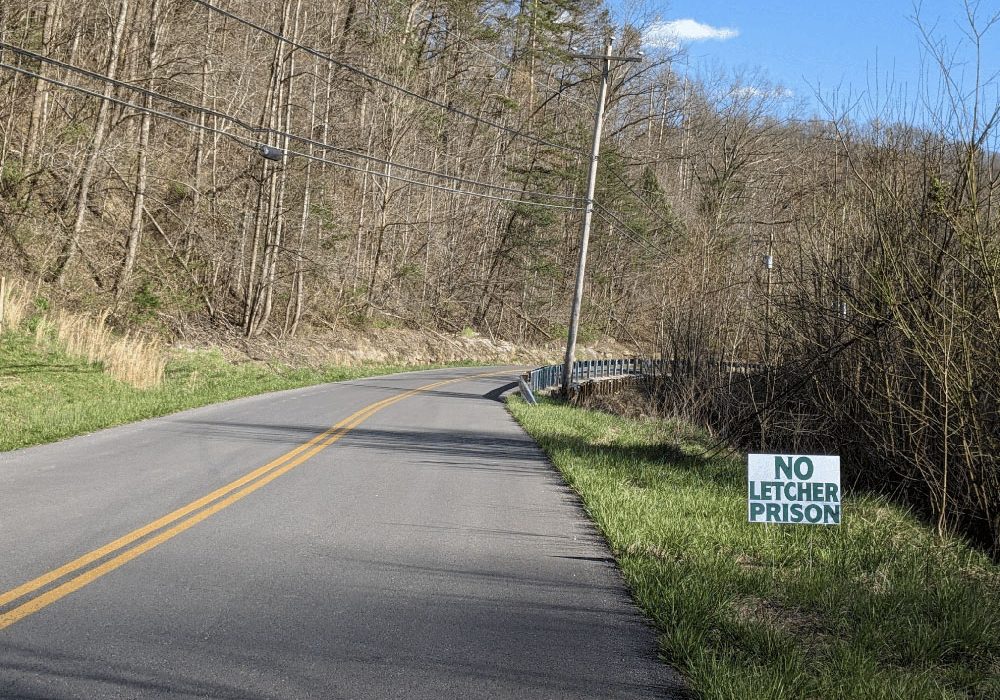
After 20 Years, Letcher County Prison Proposal Is Still Alive, Though Obstacles Remain
A $605 million proposal for a federal prison on a former strip mine site in Letcher County, Kentucky, championed by U.S. Rep. Hal Rogers, refuses to die, despite local opposition, a lack of support from the executive branch and numerous other obstacles.

Leave a comment
Your email address will not be published. Required fields are marked *
Leave a Comment