

States must uphold their responsibility to protect our waters
In late May, a Virginian named Fern set up camp on a tree platform to block construction of the Mountain Valley Pipeline. This came after the U.S. Forest Service barred another tree-sitting pipeline protester’s access to food, water and medical care, and a judge imposed fines on two women who established a treetop camp in their own backyard, forcing them down.
By supporting the profiteering aims of a private fracked-gas pipeline company and monopoly utilities over the clear will of the people, the government agencies abetting these projects are standing on the wrong side of history.
The movement to stop the Mountain Valley and Atlantic Coast pipelines has vast, and increasingly broad, backing across geographic and ideological divides. Legal challenges to both projects have traction, and a growing bipartisan chorus of state legislators and local officials is sounding the alarm.
The governors of North Carolina, Virginia and West Virginia should join Virginia Sen. Tim Kaine and U.S. representatives from both parties in calling for federal regulators to reconsider the improperly approved projects. And they should halt construction while this vital assessment takes place.
States also have the authority — and responsibility — to protect their own waters. Unfortunately, Virginia and West Virginia have so far deferred to the federal government’s improper use of a one-size-fits-all water quality permit without scrutinizing any of the numerous pipeline water crossings — many on very steep, erosion-prone slopes.
These states owe it to their citizens to conduct a rigorous state reviews of the pipelines’ effects on water quality. In fact, Virginia Gov. Northam promised a stream-by-stream review of water crossings on the campaign trail last year, which the state has failed to deliver.
Residents along both pipeline routes are documenting violations and testing water quality, providing more evidence that these projects cannot be built without putting people, water and ecosystems at risk. It’s time for state leaders to act.
P.S. Our April/May issue focused on natural gas fracking, frack waste, pipelines, and proposed petrochemical plants and gas storage hubs. We’re grateful to the extraordinary volunteers who helped boost our distribution of that special issue across the region from 65,500 to 72,500 copies. Read it online at appvoices.org/thevoice/gas-issue
Tom Cormons, Executive Director
Related Articles
Latest News
More Stories
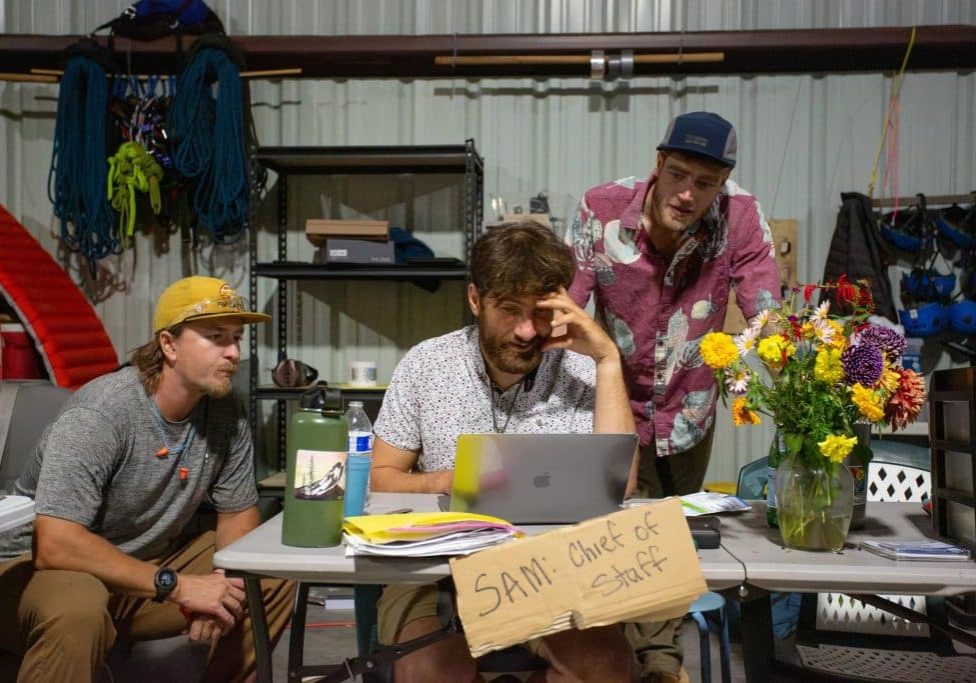
Neighbors Help Neighbors
A photo essay that celebrates the volunteer spirit of the grassroots group Hurricane Helene WNC and speaks to the resourcefulness, collaboration and hard work embodied by thousands and thousands of volunteers, first responders and aid workers across the region after Hurricane Helene.

Halloween Approaches, and Night School Is in Session
The House of Art in Bluefield, West Virginia, looks like a haunted tower, making it the perfect location for its sixth annual haunt event: Night School. The Night School will be open every Friday and Saturday night through Oct. 31.
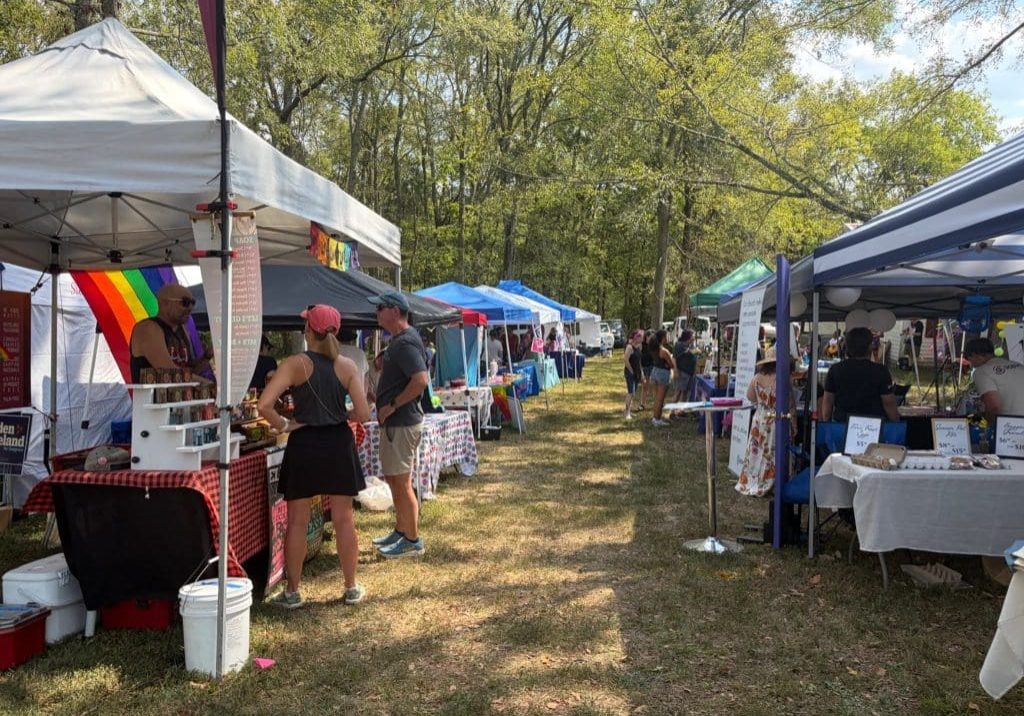
‘The Most Perfect Act of Love’
Hundreds of people attended the second annual Affirming Sumner Pride celebration on a 24-acre farm dubbed “Fruity Farm” in Bethpage, Sumner County, Tennessee.
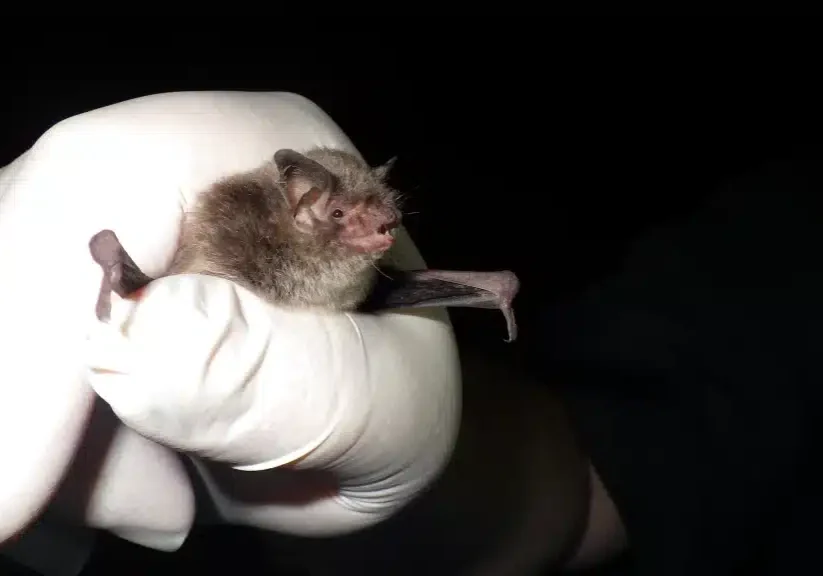
Signs of Life: Endangered Bats Found in Nantahala for First Time in More Than a Decade
In the Nantahala National Forest, a team of biologists spotted Indiana bats, an endangered species that hasn’t been seen in North Carolina for the last 11 years.

‘First Line of Defense’
During Hurricane Helene and its aftermath, rural fire departments and other first responder hubs played critical roles in keeping their communities safe, even without power and cut off from outside support for days or weeks after the storm. Two years later, plenty of work remains to ensure these hubs have the resources they need to operate day to day and be ready when emergencies or natural disasters strike.

The Rocky Road — and Bridge — to Recovery
Hurricane Helene is estimated to have damaged nearly 7,000 private roads and bridges in Western North Carolina. Two years later, many restoration projects are complete, but the journey hasn’t been easy — and isn’t over for others.

Leave a comment
Your email address will not be published. Required fields are marked *
Leave a Comment