

Pushing for Solar Freedom and Utility Accountability in Virginia
We traveled to Richmond, Va., on Feb. 19 with concerned citizens and fellow members of Southwest Virginia’s New Economy Network and Virginia Organizing to speak to Virginia state representatives about a number of issues, including Del. Terry Kilgore’s solar bill.
Del. Kilgore introduced H.B. 1252, legislation that would make renewable energy more attainable to Virginia nonprofits and tax-exempt groups who are electricity customers of Appalachian Power Company and Old Dominion Power. Currently, these tax-exempt customers are not eligible for existing federal tax incentives for renewable energy.
The bill passed unanimously out of the House but did not get a chance to make it through the Senate, despite broad support from local planning districts, development authorities and higher education institutions. Voting on H.B. 1252 was delayed for one year, though the bill still has a chance of passage in 2018 if attached as an amendment to another bill. Del. Kilgore says he remains committed to its passage, and we are, too!
During Virginia’s legislative session, we also opposed a massive rate bill backed by Dominion Energy. Though the bill passed, citizen voices forced legislators to take the unusual step of scrutinizing the utility giant’s requests.
In Senate Bill 966, Dominion designed a variety of mechanisms to avoid future regulatory oversight and unfairly pocket hundreds of millions or more of its customers’ money. Yet due to a groundswell of constituent pressure and hard work by a variety of consumer and environmental advocates, including Appalachian Voices, more and more legislators now are asking: “Should a monopoly utility write the laws that govern monopoly utilities?” The answer, of course, is “no.”
Read Virginia Program Manager Peter Anderson’s blog post on the rate bill here.
Related Articles
Latest News
More Stories

Neighbors Help Neighbors
A photo essay that celebrates the volunteer spirit of the grassroots group Hurricane Helene WNC and speaks to the resourcefulness, collaboration and hard work embodied by thousands and thousands of volunteers, first responders and aid workers across the region after Hurricane Helene.

Halloween Approaches, and Night School Is in Session
The House of Art in Bluefield, West Virginia, looks like a haunted tower, making it the perfect location for its sixth annual haunt event: Night School. The Night School will be open every Friday and Saturday night through Oct. 31.

‘The Most Perfect Act of Love’
Hundreds of people attended the second annual Affirming Sumner Pride celebration on a 24-acre farm dubbed “Fruity Farm” in Bethpage, Sumner County, Tennessee.

Signs of Life: Endangered Bats Found in Nantahala for First Time in More Than a Decade
In the Nantahala National Forest, a team of biologists spotted Indiana bats, an endangered species that hasn’t been seen in North Carolina for the last 11 years.

‘First Line of Defense’
During Hurricane Helene and its aftermath, rural fire departments and other first responder hubs played critical roles in keeping their communities safe, even without power and cut off from outside support for days or weeks after the storm. Two years later, plenty of work remains to ensure these hubs have the resources they need to operate day to day and be ready when emergencies or natural disasters strike.
The Rocky Road — and Bridge — to Recovery
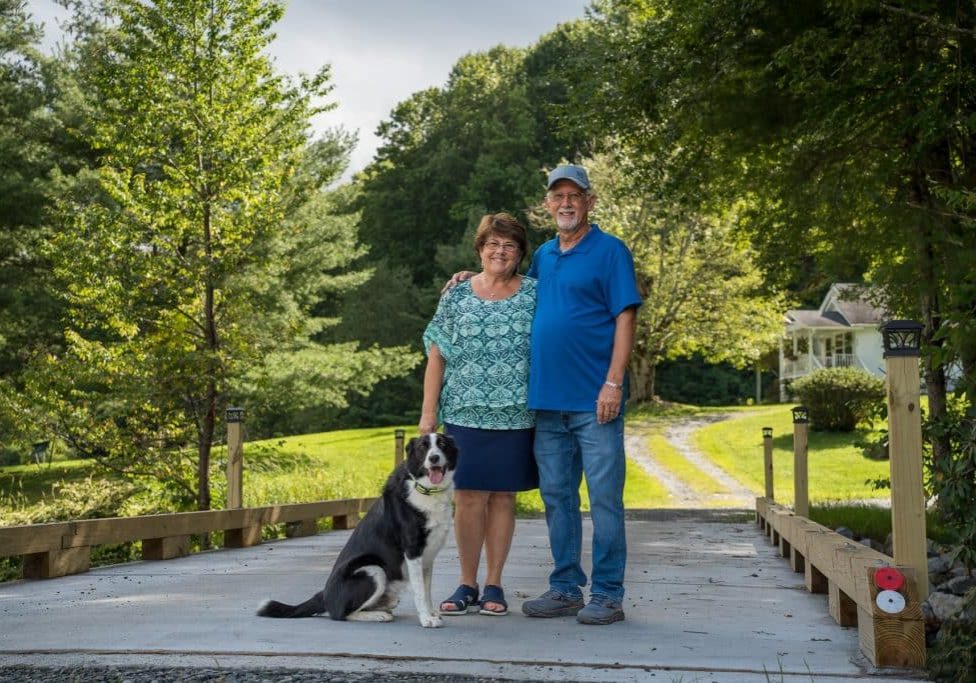
Hurricane Helene is estimated to have damaged nearly 7,000 private roads and bridges in Western North Carolina. Two years later, many restoration projects are complete, but the journey hasn’t been easy — and isn’t over for others.

Leave a comment
Your email address will not be published. Required fields are marked *
Leave a Comment