

Onward in the Pipeline Fight!
Communities and organizations across West Virginia, Virginia and North Carolina have done phenomenal work to challenge the Mountain Valley and Atlantic Coast pipelines over the last four years. Though these unnecessary fracked gas infrastructure projects were never outright denied, as they should have been, it’s because of the phenomenal activism and organizing of so many that these pipelines have experience huge setbacks.
But these developers will stop at nothing to push these projects through in any way they can. Though some final permits, approvals and plans are still needed, the pipeline developers have sued landowners to gain immediate access to private land, and have begun felling trees in nearly all the counties the pipelines go through as well as the public lands we all hold so dear.
Our efforts to stop these projects are as crucial as ever. Folks along the lengths of both pipelines are mobilizing at record speed to monitor all pipeline construction activity and call out any misstep as soon as possible. And as critical monitoring happens on the ground, the battle to stop these pipelines also continues in the courts. Appalachian Voices and partner organizations are involved in numerous lawsuits attacking the faulty system, laws and agencies that approved these pipelines in the first place.
People are recommitting to this resistance every day and developing new, powerful ways to resist these pipelines at this unique stage. Though most politicians haven’t realized that fracked gas is the next big fossil fuel extraction industry that will wreck public health, water and the environment, folks all across the country know the state we are in. People are literally getting in the way of pipeline construction all across the continent. Pipelines will be stopped. We won’t.
Related Articles
Latest News
More Stories
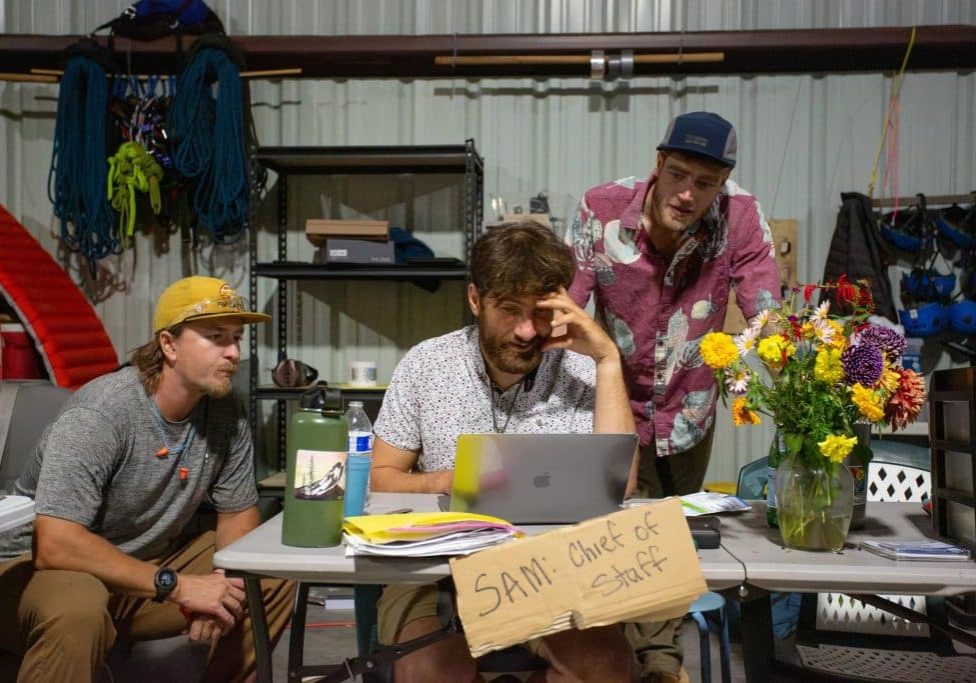
Neighbors Help Neighbors
A photo essay that celebrates the volunteer spirit of the grassroots group Hurricane Helene WNC and speaks to the resourcefulness, collaboration and hard work embodied by thousands and thousands of volunteers, first responders and aid workers across the region after Hurricane Helene.

Halloween Approaches, and Night School Is in Session
The House of Art in Bluefield, West Virginia, looks like a haunted tower, making it the perfect location for its sixth annual haunt event: Night School. The Night School will be open every Friday and Saturday night through Oct. 31.
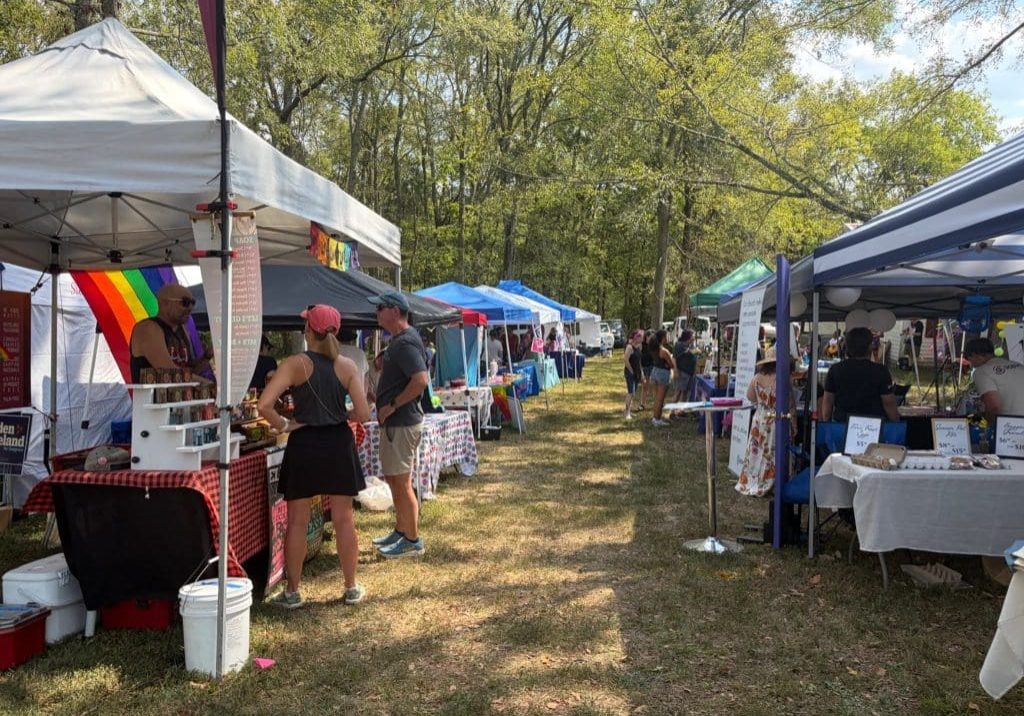
‘The Most Perfect Act of Love’
Hundreds of people attended the second annual Affirming Sumner Pride celebration on a 24-acre farm dubbed “Fruity Farm” in Bethpage, Sumner County, Tennessee.
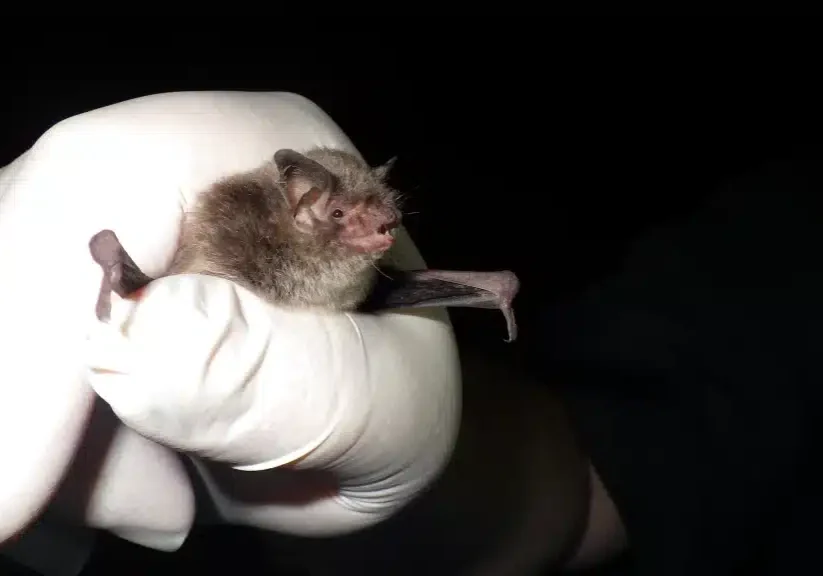
Signs of Life: Endangered Bats Found in Nantahala for First Time in More Than a Decade
In the Nantahala National Forest, a team of biologists spotted Indiana bats, an endangered species that hasn’t been seen in North Carolina for the last 11 years.

‘First Line of Defense’
During Hurricane Helene and its aftermath, rural fire departments and other first responder hubs played critical roles in keeping their communities safe, even without power and cut off from outside support for days or weeks after the storm. Two years later, plenty of work remains to ensure these hubs have the resources they need to operate day to day and be ready when emergencies or natural disasters strike.

The Rocky Road — and Bridge — to Recovery
Hurricane Helene is estimated to have damaged nearly 7,000 private roads and bridges in Western North Carolina. Two years later, many restoration projects are complete, but the journey hasn’t been easy — and isn’t over for others.

Leave a comment
Your email address will not be published. Required fields are marked *
Leave a Comment