

The Tennessee Valley Authority has proposed a revised rate structure that would [decrease the rate per kilowatt hour of power] and increase fixed costs to consumers. TVA claims the changes would be revenue neutral, but critics such as the Southern Alliance for Clean Energy argue the new model would reduce residential solar installations and burden low-income customers.
TVA is a federally owned utility that sells energy to 154 local power companies across most of Tennessee as well as parts of Alabama, Georgia, Kentucky, Mississippi, North Carolina and Virginia. Those local power companies would determine how to pass along changes in TVA’s wholesale rate structure to their customers.
Volunteer Electric Cooperative, which serves all or part of seventeen counties in East Tennessee, has spoken out against the change. In a Facebook post, the co-op wrote that “The rate change may be revenue neutral for TVA, but it will not be revenue neutral for VEC or for the members we serve.”
In a report released by the utility in March, TVA stated that its “current energy prices over-incentivize consumer installation of [distributed energy resources],” which include residential solar panels. The proposed rate change would reduce the economic incentive for home solar.
While Cass Larson, a vice president of TVA, denied in a statement that the move was intended to discourage investments in renewable energy, environmental advocates argue that the utility isn’t doing enough to promote solar.
“These utilities operate in a public policy vacuum and the slow pace of solar reflects outdated thinking within the utility’s management,” the Southern Alliance for Clean Energy’s Bryan Jacob told the Times Free Press.
Opponents of TVA’s proposal — including SACE and Appalachian Voices, the publisher of this newspaper — argue that the rate structure would discourage investments in energy efficiency by removing customers’ ability to save money by saving electricity and would disproportionately impact low- and fixed-income households by increasing fixed costs.
The public comment period is open until April 9 and a decision is expected at the May 10 board meeting.
Related Articles
Latest News
More Stories

Halloween Approaches, and Night School Is in Session
The House of Art in Bluefield, West Virginia, looks like a haunted tower, making it the perfect location for its sixth annual haunt event: Night School. The Night School will be open every Friday and Saturday night through Oct. 31.
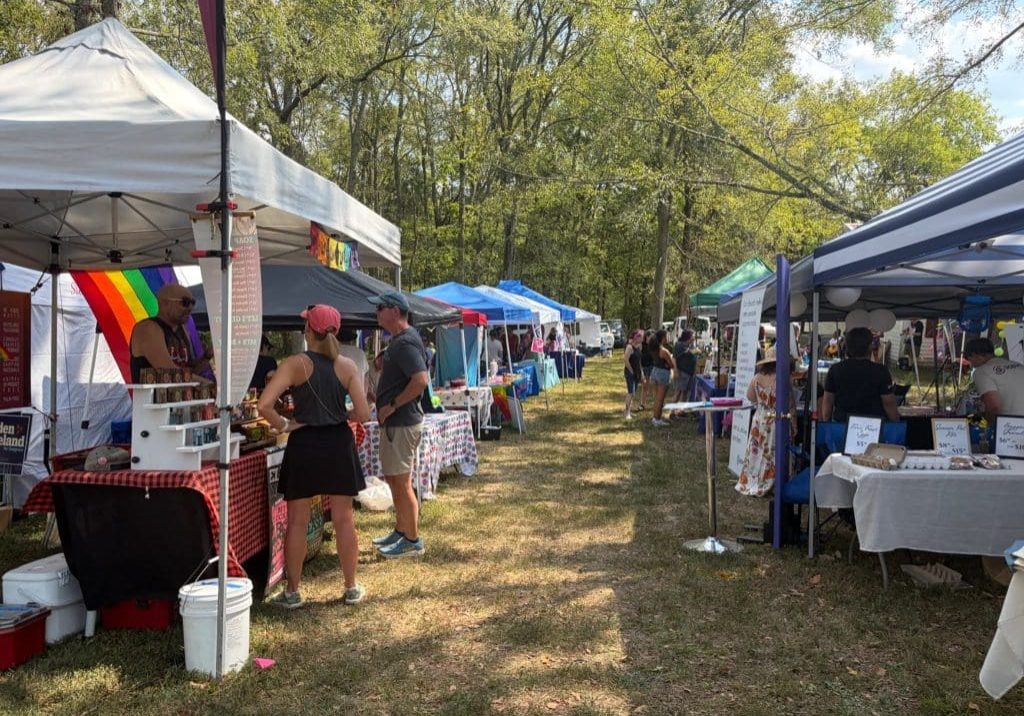
‘The Most Perfect Act of Love’
After losing its rural pride celebration, hundreds of people attended the second annual Affirming Sumner Pride celebration on a 24-acre farm dubbed “Fruity Farm” in Bethpage, Sumner County, Tennessee.

Signs of Life
In the Nantahala National Forest, a team of biologists spotted Indiana bats, an endangered species that hasn’t been seen in North Carolina for the last 11 years.

‘First Line of Defense’
During Hurricane Helene and its aftermath, rural fire departments and other first responder hubs played critical roles in keeping their communities safe, even without power and cut off from outside support for days or weeks after the storm. Two years later, plenty of work remains to ensure these hubs have the resources they need to operate day to day and be ready when emergencies or natural disasters strike.

The Rocky Road — and Bridge — to Recovery
Hurricane Helene is estimated to have damaged nearly 7,000 private roads and bridges in Western North Carolina. Two years later, many restoration projects are complete, but the journey hasn’t been easy — and isn’t over for others.
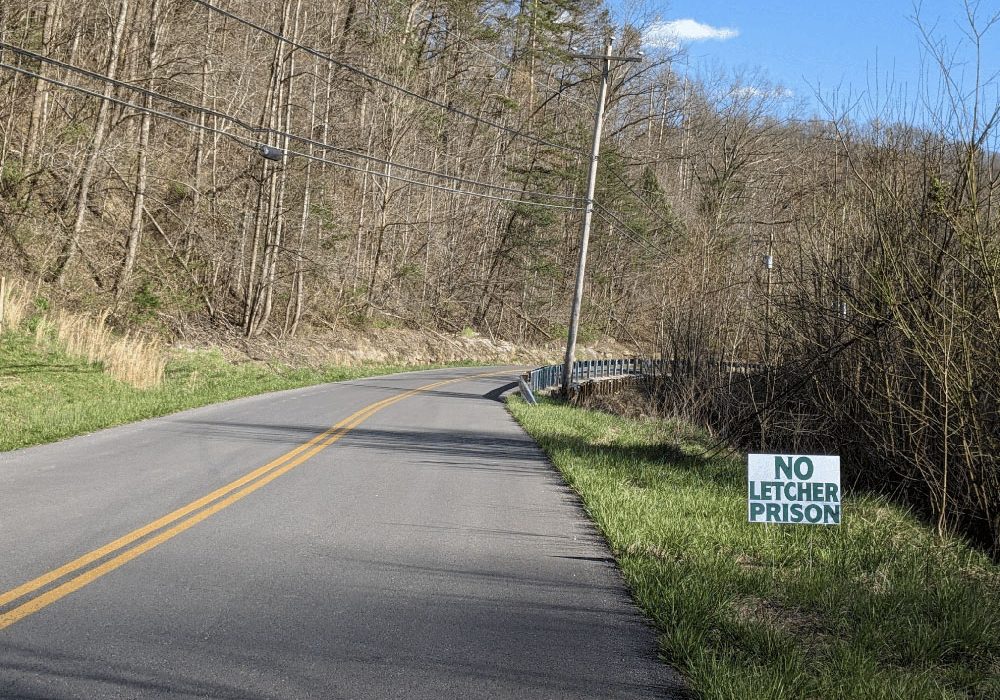
After 20 Years, Letcher County Prison Proposal Is Still Alive, Though Obstacles Remain
A $605 million proposal for a federal prison on a former strip mine site in Letcher County, Kentucky, championed by U.S. Rep. Hal Rogers, refuses to die, despite local opposition, a lack of support from the executive branch and numerous other obstacles.

Leave a comment
Your email address will not be published. Required fields are marked *
Leave a Comment