

Challenging the Pipelines
Despite federal approval for the Mountain Valley and Atlantic Coast pipelines, the fight isn’t over yet. At press time in mid-November, both pipelines were still seeking water pollution permits from Virginia and the Atlantic Coast Pipeline also needed permits from North Carolina and West Virginia (Read the Appalachian Voice story here).
We also joined a coalition of environmental organizations in taking legal steps to call on the Federal Energy Regulatory Commission to reconsider its approval of the Atlantic Coast Pipeline in light of mounting evidence that it is not necessary.
Virginia
It’s up to the Virginia State Water Control Board to determine whether to grant water pollution permits for the two pipelines despite the disastrous impacts the projects would have on the commonwealth’s waterways.
The State Water Control Board will be holding four public meetings. Only those who submitted comments to the Department of Environmental Quality during the official public comment period may speak, but all are welcome to show up in solidarity. For details, visit: appvoices.org/fracking/actions
Meetings will start at 9:30 a.m. at the Trinity Family Life Center, at 3601 Dill Road in Richmond.
• Mountain Valley Pipeline: Dec. 6 and 7
• Atlantic Coast Pipeline: Dec. 11 and 12
North Carolina
We’re glad that Gov. Cooper’s administration is delaying its decision on Duke and Dominion’s Atlantic Coast Pipeline and demanding that the company submit additional information — but that’s not enough.
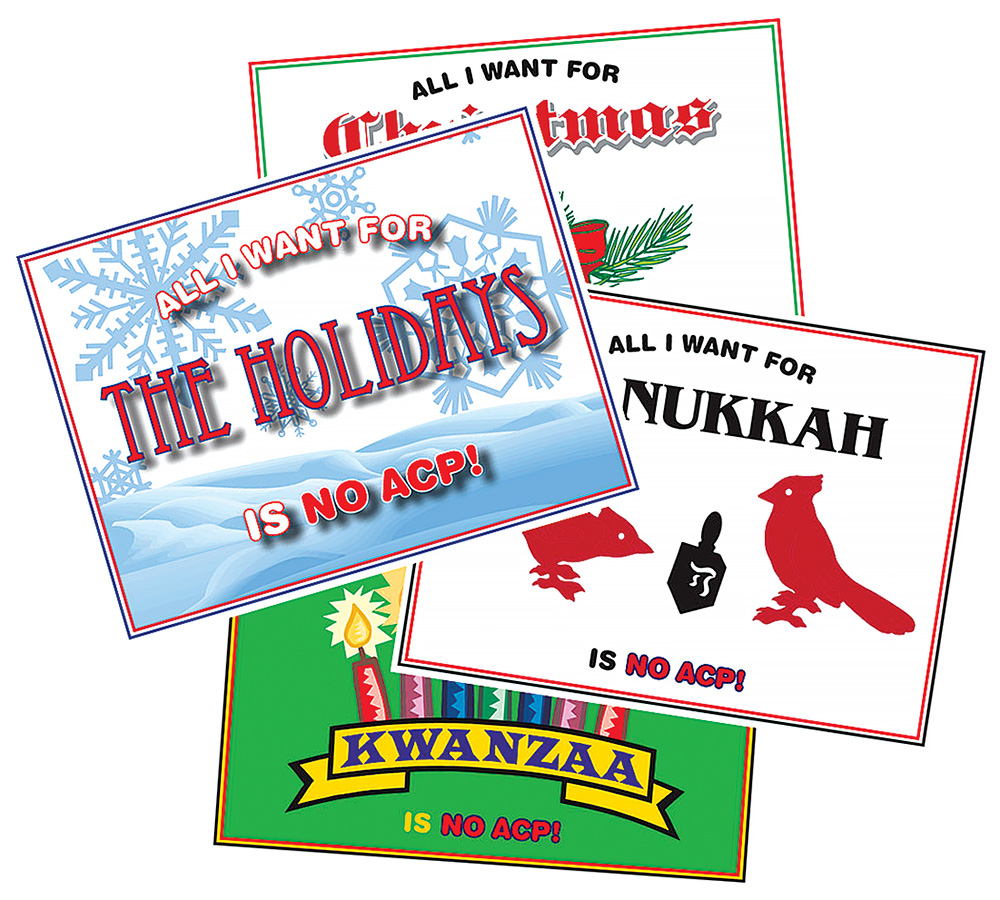
Tell the governor and officials in Raleigh that North Carolina doesn’t want or need this pipeline by sending a holiday-themed NO ACP postcard. You can download and print at home, or we can send one on your behalf. Visit: appvoices.org/nc-holiday-cards
Related Articles
Latest News
More Stories
Neighbors Help Neighbors
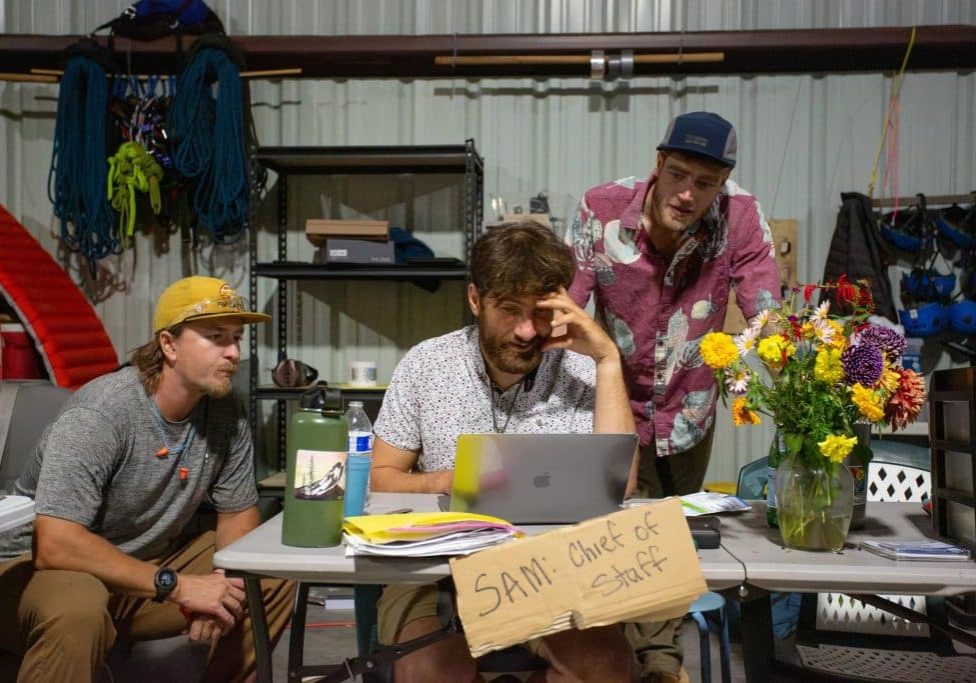
A photo essay that celebrates the volunteer spirit of the grassroots group Hurricane Helene WNC and speaks to the resourcefulness, collaboration and hard work embodied by thousands and thousands of volunteers, first responders and aid workers across the region after Hurricane Helene.

Halloween Approaches, and Night School Is in Session
The House of Art in Bluefield, West Virginia, looks like a haunted tower, making it the perfect location for its sixth annual haunt event: Night School. The Night School will be open every Friday and Saturday night through Oct. 31.
‘The Most Perfect Act of Love’
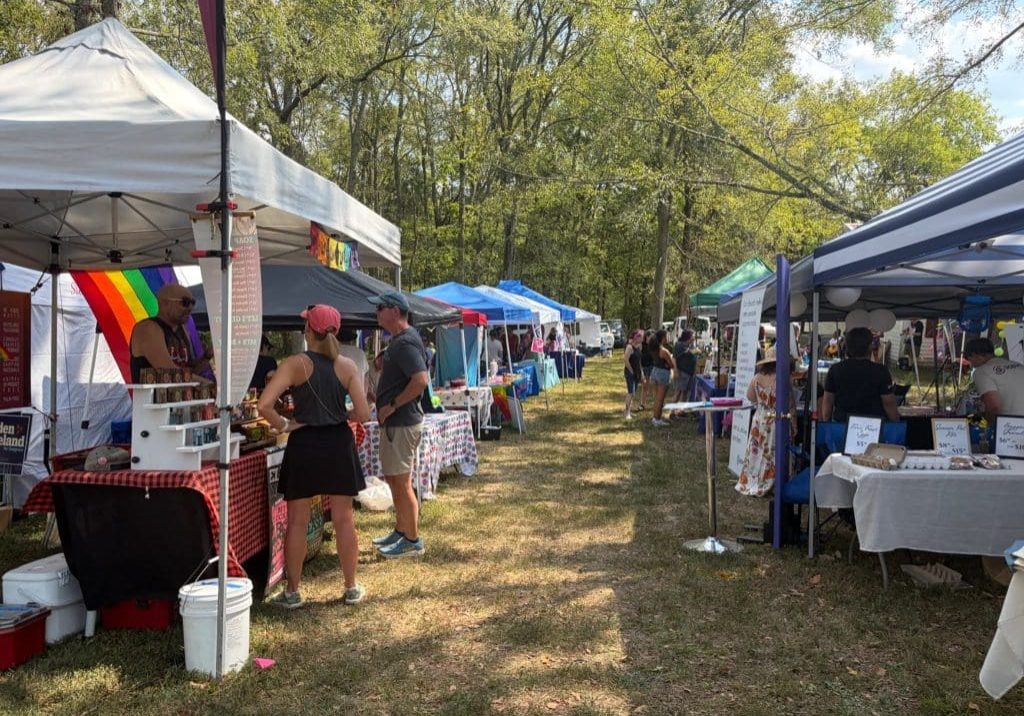
Hundreds of people attended the second annual Affirming Sumner Pride celebration on a 24-acre farm dubbed “Fruity Farm” in Bethpage, Sumner County, Tennessee.

Signs of Life: Endangered Bats Found in Nantahala for First Time in More Than a Decade
In the Nantahala National Forest, a team of biologists spotted Indiana bats, an endangered species that hasn’t been seen in North Carolina for the last 11 years.

‘First Line of Defense’
During Hurricane Helene and its aftermath, rural fire departments and other first responder hubs played critical roles in keeping their communities safe, even without power and cut off from outside support for days or weeks after the storm. Two years later, plenty of work remains to ensure these hubs have the resources they need to operate day to day and be ready when emergencies or natural disasters strike.

The Rocky Road — and Bridge — to Recovery
Hurricane Helene is estimated to have damaged nearly 7,000 private roads and bridges in Western North Carolina. Two years later, many restoration projects are complete, but the journey hasn’t been easy — and isn’t over for others.

Leave a comment
Your email address will not be published. Required fields are marked *
Leave a Comment