

By Tristin Van Ord

The Party Rock Fire rages near Lake Lure, N.C., in November. Photo by John Cayton
Numerous forest fires continue to burn across Southern and Central Appalachia due to dry weather conditions. According to USA Today, over 119,000 acres of forest have already burned throughout the region this fall.
Alabama, Georgia, South Carolina, North Carolina, Tennessee, Kentucky, Virginia and West Virginia have all been affected.
At least 300 homes and business were damaged or destroyed after wildfires tore through the city of Gatlinburg and Sevier County, Tenn., on Nov. 28. Fourteen people lost their lives in the blaze and its aftermath.
The Southeast is currently experiencing a “once in a generation drought,” according to PBS News. While drought has increased the spread and intensity of the fires, arson is to blame for many of them. The Associated Press announced that multiple people were arrested for intentionally starting fires. A Kentucky resident was arrested after he started a wildfire to gain popularity on his Facebook page through a forest fire video.
Over 200 homes in the Nantahala National Forest in Western North Carolina were evacuated, and N.C. Governor Pat McCrory issued a state of emergency in 25 counties.
Smoke from the fires is also a public health hazard. According to the Weather Channel, at least two people in Kentucky died from respiratory complications due to the fires, while hundreds have been hospitalized.
Thousands of volunteers are working to stop the spread of the fires, including firefighters from across the country.
Citizens should check to see if their county is under an open burning ban. The North Carolina Forest Service advises keeping a shovel and water at hand if burning outside is necessary.
Editor’s note: The print version of this article stated that seven lives were lost in the Gatlinburg fire at press time. That figure has been updated in this version.
Related Articles
Latest News
More Stories
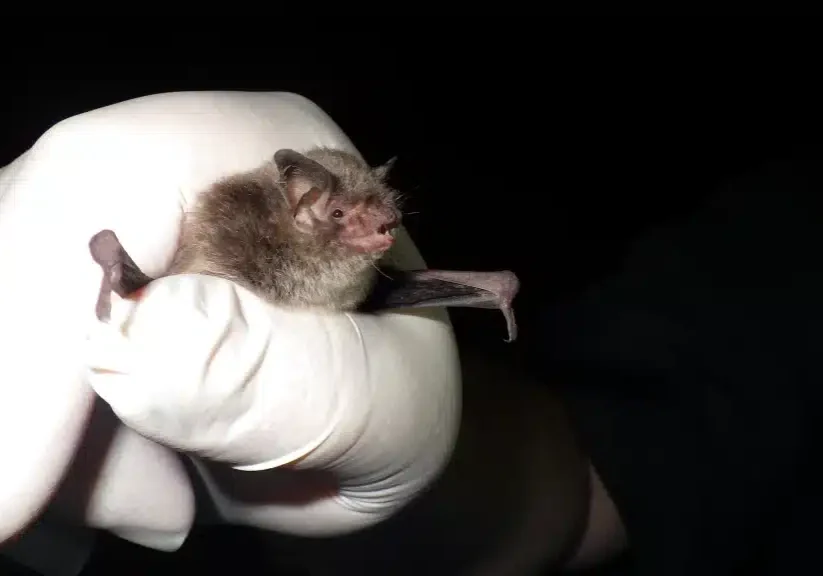
Signs of Life
In the Nantahala National Forest, a team of biologists spotted Indiana bats, an endangered species that hasn’t been seen in North Carolina for the last 11 years.

‘First Line of Defense’
During Hurricane Helene and its aftermath, rural fire departments and other first responder hubs played critical roles in keeping their communities safe, even without power and cut off from outside support for days or weeks after the storm. Two years later, plenty of work remains to ensure these hubs have the resources they need to operate day to day and be ready when emergencies or natural disasters strike.

The Rocky Road — and Bridge — to Recovery
Hurricane Helene is estimated to have damaged nearly 7,000 private roads and bridges in Western North Carolina. Two years later, many restoration projects are complete, but the journey hasn’t been easy — and isn’t over for others.
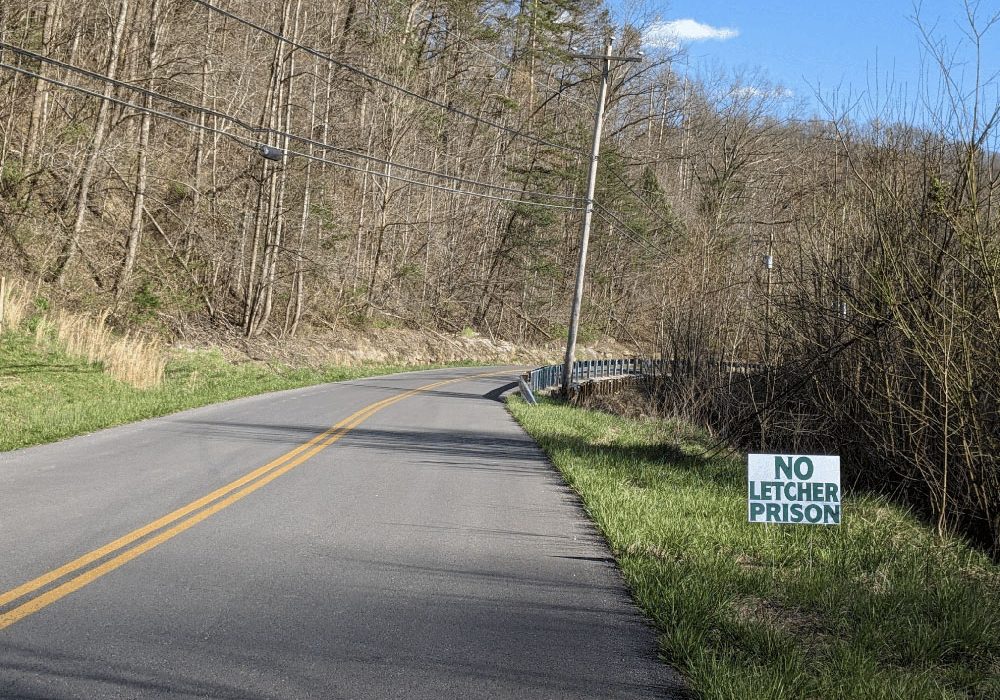
After 20 Years, Letcher County Prison Proposal Is Still Alive, Though Obstacles Remain
A $605 million proposal for a federal prison on a former strip mine site in Letcher County, Kentucky, championed by U.S. Rep. Hal Rogers, refuses to die, despite local opposition, a lack of support from the executive branch and numerous other obstacles.
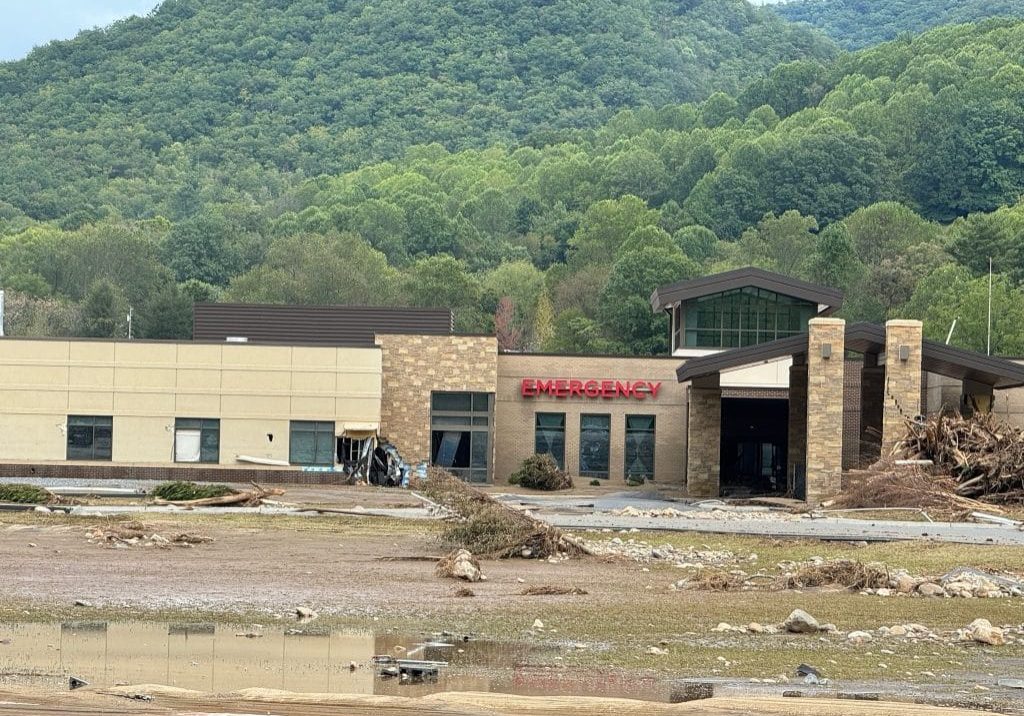
The Washout and Rebuild
For nearly two years, residents of Unicoi County, Tennessee, have had to make do without a hospital after Hurricane Helene destroyed the rural hospital. Ballad Health, which owns the hospital, broke ground on a new location — in another floodplain — in August 2026.

The Shenandoah Salamander
The Shenandoah salamander is a woodland salamander, which has adapted to life at higher elevations away from water. This sparkling rarity lives among the dry leaves, cracked logs, and stony hillocks on the highest peaks of Shenandoah National Park.

Leave a comment
Your email address will not be published. Required fields are marked *
Leave a Comment