

By Eliza Laubach
Central Appalachia, which hosts an estimated 25 percent of the country’s abandoned mine lands, is disproportionately burdened with 65 percent of the total economic impacts associated with the decline of coal mining, according to a landmark July report by the Abandoned Mine Lands Policy Priorities Group.
The policy group, which formed last year, obtained data on the Abandoned Mine Lands program through Freedom of Information Act requests.
Congress established the AML program in 1977 to address post-production mine lands abandoned by coal companies prior to that year. Since then, the program has spent more than $5.7 billion to reclaim nearly 800,000 acres of abandoned mines across the country. But the remaining 6.2 million acres “ravaged by abandoned coal mine problems” will require nearly twice that investment, the authors report. The program is also facing declining revenue and is set to expire in 2021.
The policy analysis describes how a formula based on recent coal production currently determines distribution of funds, which are sourced partly from a tax on each ton of coal a company produces and partly from the federal treasury. The authors suggest replacing that formula with one that is based on need. Determining that need should be guided by an updated inventory of AMLs, the report states.
Currently, the remaining $2.5 billion in the AML fund is being invested in treasury securities, with the interest supporting the United Mine Workers Association’s health and pension plans. Distribution of these funds should be accelerated, especially in communities with economies that are hardest hit by coal’s decline, the report’s authors suggest. The report also calls on Congress to find an alternative financial support for UMWA pensions.
The POWER+ Plan, a part of the Obama administration’s 2016 budget proposal, seeks to reform the AML program and encourage sustainable redevelopment of unreclaimed mines across the country, a revitalization effort that could create an estimated 3,117 jobs nationwide.
But although the POWER+ Plan would base funding on historic coal production, it does not go far enough, the report’s authors say, because it “ignores any factor of economic distress,” and central Appalachia is experiencing “unprecedented economic decline, environmental damage and inequality.”
Related Articles
Latest News
More Stories

Halloween Approaches, and Night School Is in Session
The House of Art in Bluefield, West Virginia, looks like a haunted tower, making it the perfect location for its sixth annual haunt event: Night School. The Night School will be open every Friday and Saturday night through Oct. 31.

‘The Most Perfect Act of Love’
After losing its rural pride celebration, hundreds of people attended the second annual Affirming Sumner Pride celebration on a 24-acre farm dubbed “Fruity Farm” in Bethpage, Sumner County, Tennessee.

Signs of Life
In the Nantahala National Forest, a team of biologists spotted Indiana bats, an endangered species that hasn’t been seen in North Carolina for the last 11 years.

‘First Line of Defense’
During Hurricane Helene and its aftermath, rural fire departments and other first responder hubs played critical roles in keeping their communities safe, even without power and cut off from outside support for days or weeks after the storm. Two years later, plenty of work remains to ensure these hubs have the resources they need to operate day to day and be ready when emergencies or natural disasters strike.

The Rocky Road — and Bridge — to Recovery
Hurricane Helene is estimated to have damaged nearly 7,000 private roads and bridges in Western North Carolina. Two years later, many restoration projects are complete, but the journey hasn’t been easy — and isn’t over for others.
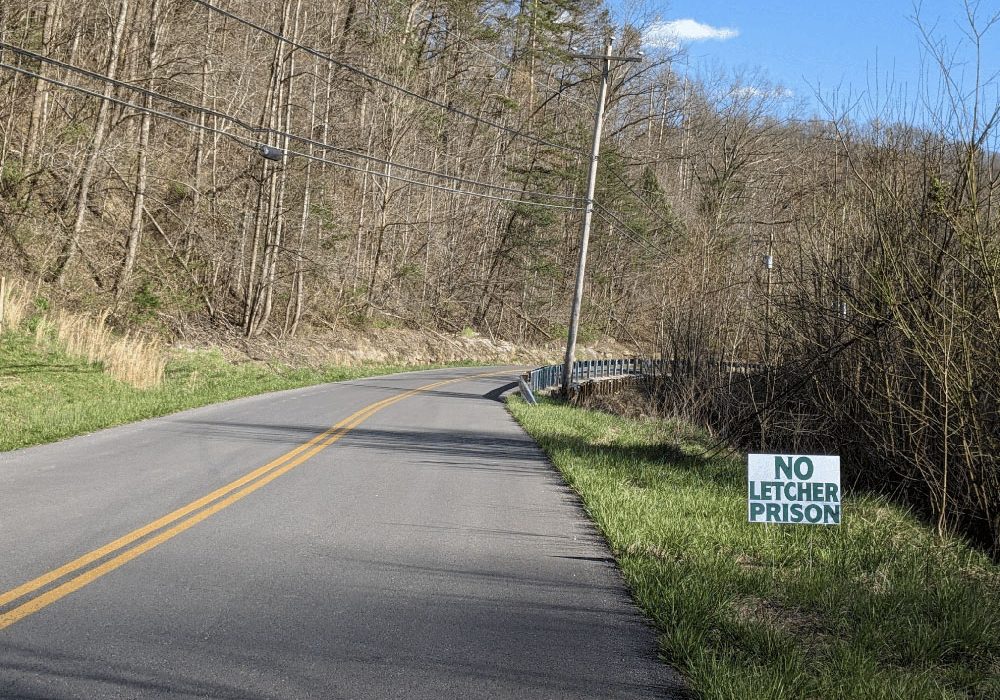
After 20 Years, Letcher County Prison Proposal Is Still Alive, Though Obstacles Remain
A $605 million proposal for a federal prison on a former strip mine site in Letcher County, Kentucky, championed by U.S. Rep. Hal Rogers, refuses to die, despite local opposition, a lack of support from the executive branch and numerous other obstacles.

Leave a comment
Your email address will not be published. Required fields are marked *
Leave a Comment