

Virginia Climate Fever
How Global Warming Will Transform Our Cities, Shorelines, and Forests
By Stephen Nash
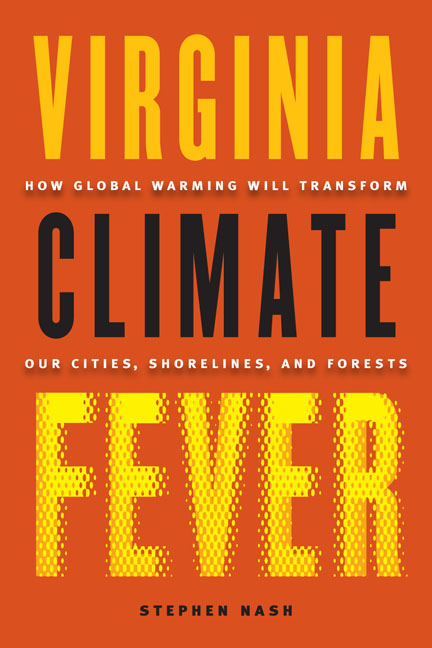
As visiting senior research scholar at the University of Richmond, Stephen Nash explores the stunning local aspects of climate disruption. This digestible work employs enough facts and visuals to demonstrate the amount of damage that global warming promises for the Old Dominion.
Nash, a journalist, takes the reader with him as he travels around Virginia, talking with scientists, citizens, officials and business people. Through these encounters, Nash reveals that our temperature averages will gradually rise during the next hundred years, essentially turning Virginia into present-day Alabama. Graphs show increasing numbers of days with temperatures surpassing 90 degrees, with drastic consequences for life-forms from trees to fish, and to both rural and city-dwelling humans.
Nash’s most compelling passages deal with sea level rise and the increasingly formidable threat of property destruction in the Hampton Roads region. This trend could result in climate refugees as limited financial resources cover only the costs of protecting high-value infrastructure and leave homeowners behind.
Throughout the book, Nash compares two scenarios of human response to global warming, labeled “business as usual” and “work and hope,” while maintaining that Virginians are not entirely the masters of their fate because global warming is a problem that requires a global response.
This book is fact-based and never overstated, making it mandatory reading for Virginians seeking a primer on a complex topic. — Review by Hannah Wiegard, Appalachian Voices Virginia Campaign Coordinator
Related Articles
Latest News
More Stories

Halloween Approaches, and Night School Is in Session
The House of Art in Bluefield, West Virginia, looks like a haunted tower, making it the perfect location for its sixth annual haunt event: Night School. The Night School will be open every Friday and Saturday night through Oct. 31.
‘The Most Perfect Act of Love’
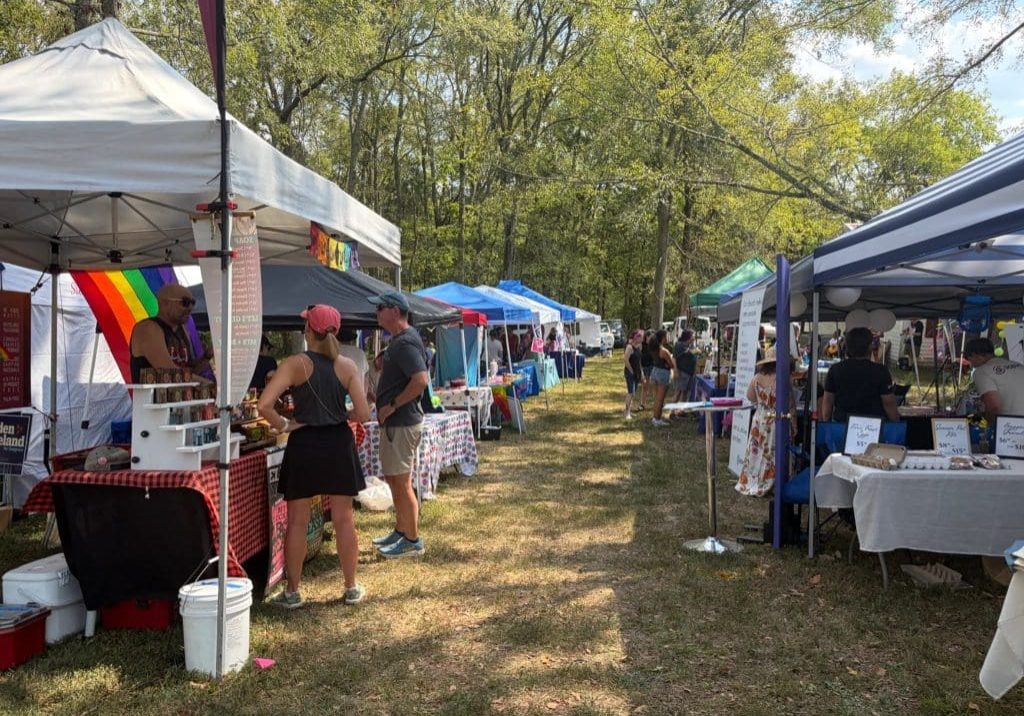
After losing its rural pride celebration, hundreds of people attended the second annual Affirming Sumner Pride celebration on a 24-acre farm dubbed “Fruity Farm” in Bethpage, Sumner County, Tennessee.

Signs of Life
In the Nantahala National Forest, a team of biologists spotted Indiana bats, an endangered species that hasn’t been seen in North Carolina for the last 11 years.

‘First Line of Defense’
During Hurricane Helene and its aftermath, rural fire departments and other first responder hubs played critical roles in keeping their communities safe, even without power and cut off from outside support for days or weeks after the storm. Two years later, plenty of work remains to ensure these hubs have the resources they need to operate day to day and be ready when emergencies or natural disasters strike.

The Rocky Road — and Bridge — to Recovery
Hurricane Helene is estimated to have damaged nearly 7,000 private roads and bridges in Western North Carolina. Two years later, many restoration projects are complete, but the journey hasn’t been easy — and isn’t over for others.
After 20 Years, Letcher County Prison Proposal Is Still Alive, Though Obstacles Remain
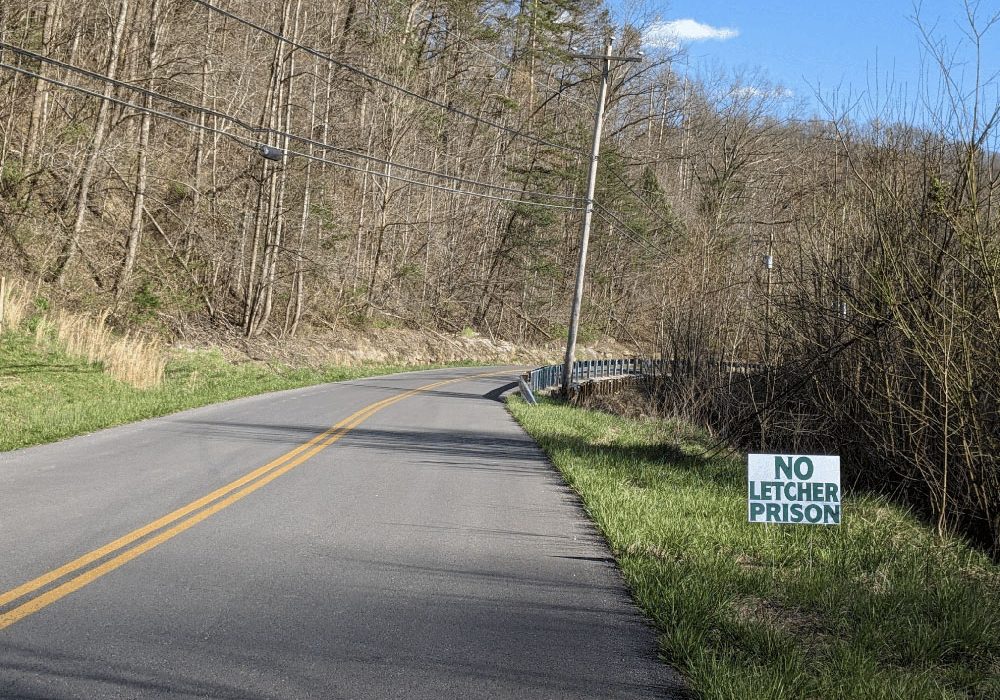
A $605 million proposal for a federal prison on a former strip mine site in Letcher County, Kentucky, championed by U.S. Rep. Hal Rogers, refuses to die, despite local opposition, a lack of support from the executive branch and numerous other obstacles.

Leave a comment
Your email address will not be published. Required fields are marked *
Leave a Comment