

By Brian Sewell
Rainforest Action Network’s annual coal finance report card found that the biggest banks put up $31.7 billion for coal projects in 2013. Citigroup, the largest funder of coal, invested $6.5 billion. JPMorgan Chase and Wells Fargo updated their policies to begin phasing out financing for mountaintop removal. Stanford University also announced it will no longer invest endowment funds in coal companies.
Oil Train Derails Along James River
On April 30, a train carrying crude oil derailed in Lynchburg, Va., spilling as much as 25,000 gallons of oil along the banks of the James River. Three or four tanker cars toppled into the river and burst into flames, causing an evacuation of downtown businesses. The same day, the U.S. Department of Transportation sent proposed rules to the White House aimed at improving the safety of oil transport by rail.
Bipartisan Energy Legislation Stalls
Amendments related to the Keystone XL tar sands pipeline and the Obama administration’s efforts to curb carbon pollution fractured the broad, bipartisan support for the Shaheen-Portman energy efficiency bill in the U.S. Senate. The modest bill aimed to make residential and commercial buildings more efficient and improve consumer access to high-efficiency heating and cooling systems. Senate Republicans also filibustered bipartisan legislation that would have extended the wind production tax credit, likely tabling the issue until after the November elections.
North Carolina Eager to Begin Fracking
After 18 months of study, the N.C. Mining and Energy Commission submitted proposed rules for regulating natural gas production in the state. The process has been marked with controversy and collusion between industry representatives, lobbyists and state officials. A bill introduced in the first days of the legislative session would make it a felony to disclose chemicals used in fracking approved as “trade secrets” and preempt communities from passing local ordinances to control fracking. Gov. Pat McCrory also hopes to open public lands for test drilling to determine the state’s potential.
Related Articles
Latest News
More Stories

Halloween Approaches, and Night School Is in Session
The House of Art in Bluefield, West Virginia, looks like a haunted tower, making it the perfect location for its sixth annual haunt event: Night School. The Night School will be open every Friday and Saturday night through Oct. 31.
‘The Most Perfect Act of Love’
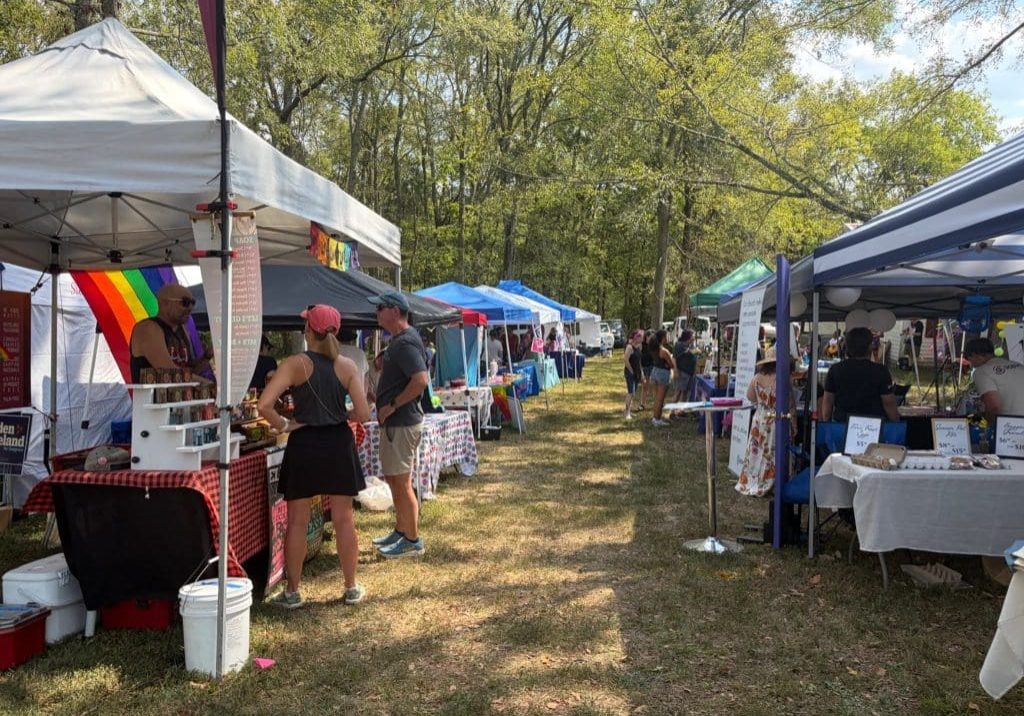
After losing its rural pride celebration, hundreds of people attended the second annual Affirming Sumner Pride celebration on a 24-acre farm dubbed “Fruity Farm” in Bethpage, Sumner County, Tennessee.

Signs of Life
In the Nantahala National Forest, a team of biologists spotted Indiana bats, an endangered species that hasn’t been seen in North Carolina for the last 11 years.

‘First Line of Defense’
During Hurricane Helene and its aftermath, rural fire departments and other first responder hubs played critical roles in keeping their communities safe, even without power and cut off from outside support for days or weeks after the storm. Two years later, plenty of work remains to ensure these hubs have the resources they need to operate day to day and be ready when emergencies or natural disasters strike.

The Rocky Road — and Bridge — to Recovery
Hurricane Helene is estimated to have damaged nearly 7,000 private roads and bridges in Western North Carolina. Two years later, many restoration projects are complete, but the journey hasn’t been easy — and isn’t over for others.
After 20 Years, Letcher County Prison Proposal Is Still Alive, Though Obstacles Remain
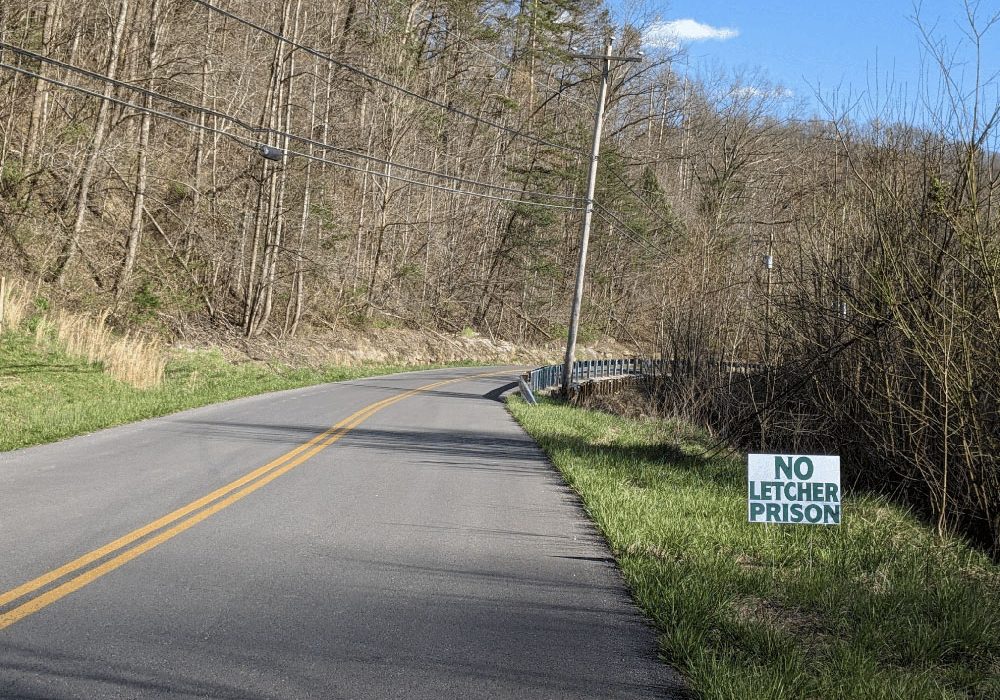
A $605 million proposal for a federal prison on a former strip mine site in Letcher County, Kentucky, championed by U.S. Rep. Hal Rogers, refuses to die, despite local opposition, a lack of support from the executive branch and numerous other obstacles.

Leave a comment
Your email address will not be published. Required fields are marked *
Leave a Comment