

By Kelsey Boyajian
Throughout “Hollow,” an interactive online documentary, the lush hills of Appalachia are juxtaposed beside stripped mountaintops. Through the stories of 30 individuals living in rural McDowell County, W.Va., director and producer Elaine McMillion uses a combination of web and film to spotlight the history and aspirations of the county’s 21,000 residents, and explores the uncertain future of rural America. McMillion, a West Virginia native, recently received the esteemed Peabody Award for the project.
Home to more than 100,000 residents in the 1950s, McDowell County is now among the one in three United States counties where more people leave than stay, according to the documentary trailer. As viewers scroll through a timeline of the county’s history through interviews, photographs, video and text, they witness the region’s struggles as well as the determined efforts of residents to revive their community.
Many towns in McDowell County, and Appalachia in general, have historically relied on coal as their sole industry. But as coal became less competitive in the marketplace and mountaintop removal mining increased, many jobs were cut. Since the 1970s, poverty, unemployment and drug addiction rates have skyrocketed. “Hollow” addresses the way these issues have affected the overall view of West Virginia, and attempts to dissolve these notions of Appalachia. “For many years we have been defined by an outsider perspective, which often oversimplifies and stereotypes us,” McMillion says.
Ellis Ray Williams, one resident featured in the film, offers a reason for the economic troubles in McDowell County. “We have a brain drain here,” Williams says, “The kids we send off to college, they don’t come back here, they have to go other places [for employment].” Community members have begun a movement to promote tourism in McDowell County to provide more job opportunities. By emphasizing the area’s tradition of bluegrass music as well as the recent restoration of the McDowell County Historical Society, they also hope to revitalize the arts and culture of the area.
“Just because it’s called one of the poorest counties in the U.S., heartwise, it’s not,” says Robert Diaz, a founding member of the Community Crossing Mission, one of many nonprofits hoping to restore prosperity in McDowell County.
In “Hollow,” Elaine McMillion pays homage to these individuals and landscapes, drawing from her own family’s history in rural West Virginia and shows how much heart this county — and Appalachia as a whole — still possesses.
Visit hollowdocumentary.com
Related Articles
Latest News
More Stories

Halloween Approaches, and Night School Is in Session
The House of Art in Bluefield, West Virginia, looks like a haunted tower, making it the perfect location for its sixth annual haunt event: Night School. The Night School will be open every Friday and Saturday night through Oct. 31.
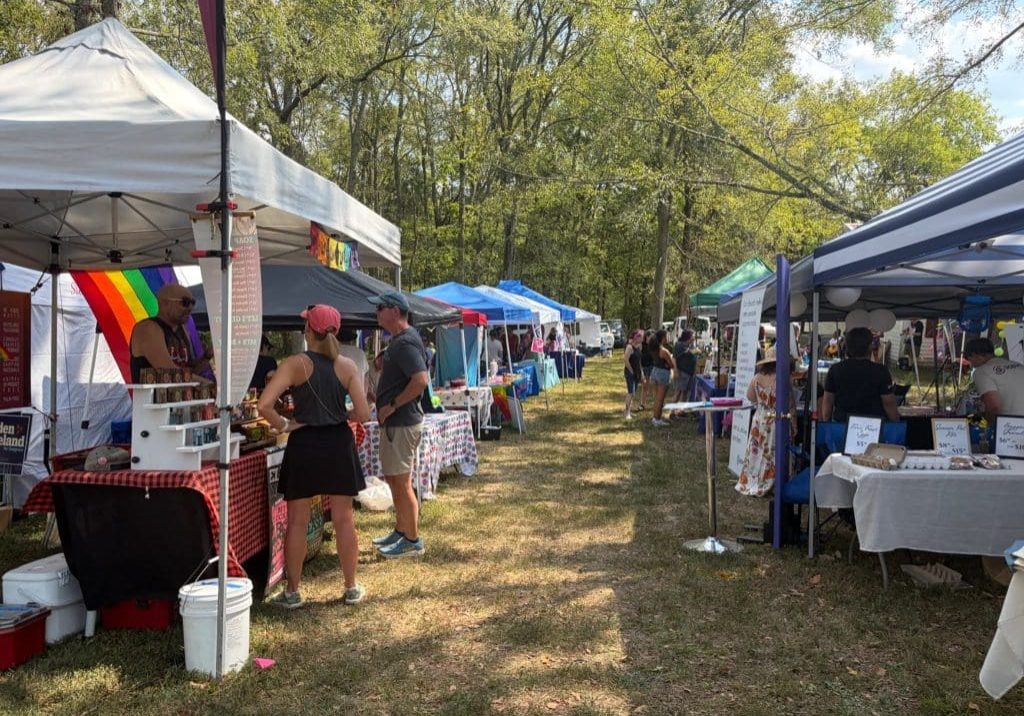
‘The Most Perfect Act of Love’
After losing its rural pride celebration, hundreds of people attended the second annual Affirming Sumner Pride celebration on a 24-acre farm dubbed “Fruity Farm” in Bethpage, Sumner County, Tennessee.
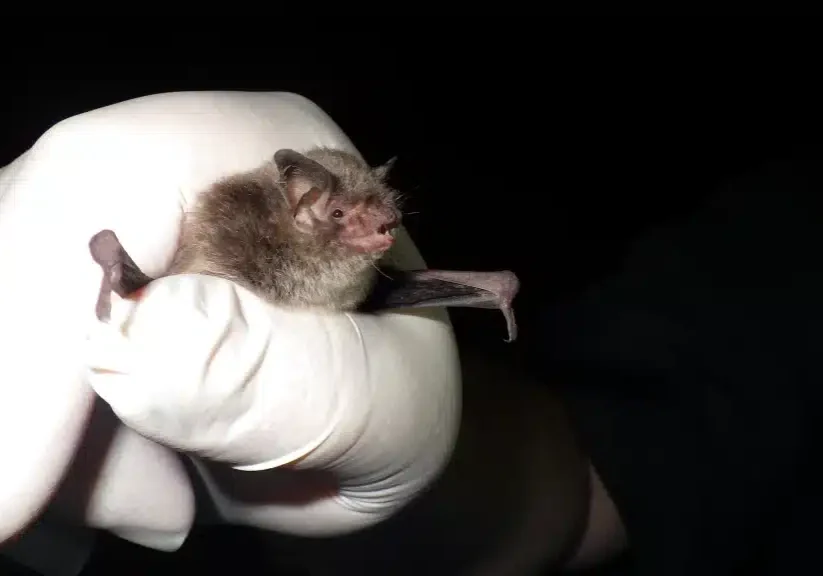
Signs of Life
In the Nantahala National Forest, a team of biologists spotted Indiana bats, an endangered species that hasn’t been seen in North Carolina for the last 11 years.

‘First Line of Defense’
During Hurricane Helene and its aftermath, rural fire departments and other first responder hubs played critical roles in keeping their communities safe, even without power and cut off from outside support for days or weeks after the storm. Two years later, plenty of work remains to ensure these hubs have the resources they need to operate day to day and be ready when emergencies or natural disasters strike.

The Rocky Road — and Bridge — to Recovery
Hurricane Helene is estimated to have damaged nearly 7,000 private roads and bridges in Western North Carolina. Two years later, many restoration projects are complete, but the journey hasn’t been easy — and isn’t over for others.
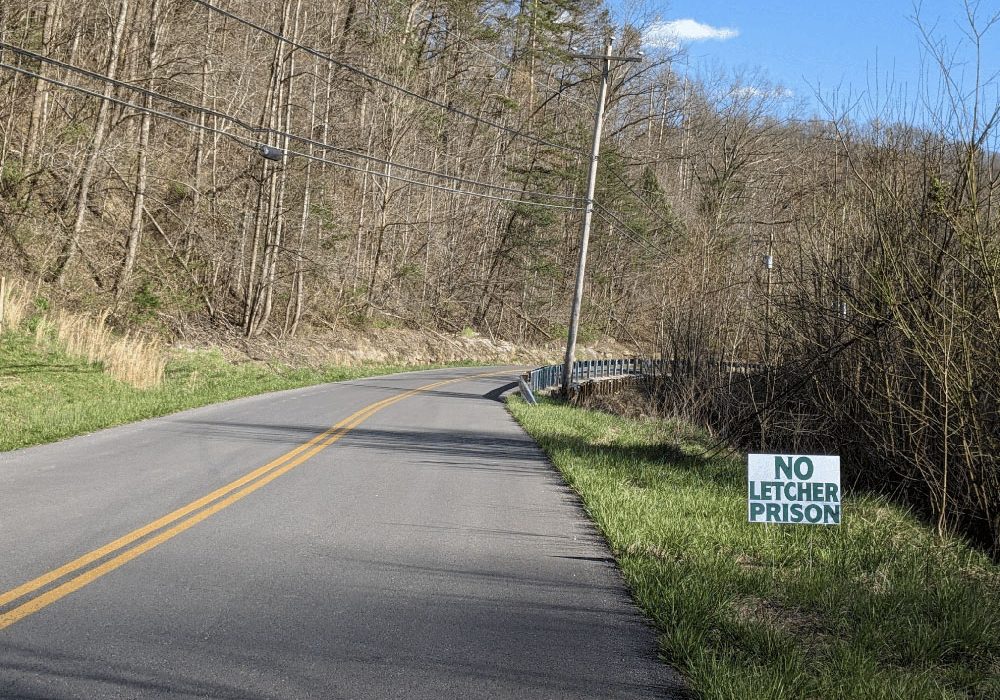
After 20 Years, Letcher County Prison Proposal Is Still Alive, Though Obstacles Remain
A $605 million proposal for a federal prison on a former strip mine site in Letcher County, Kentucky, championed by U.S. Rep. Hal Rogers, refuses to die, despite local opposition, a lack of support from the executive branch and numerous other obstacles.

Leave a comment
Your email address will not be published. Required fields are marked *
Leave a Comment