

Anna Behnke: A Seventh Grade Activist
By Sarah Kellogg

Photo courtesy of NBC
Seventh grader Anna Behnke loves to swim in Mountain Island Lake, but two years ago, she learned about the water pollution caused by Duke Energy’s Riverbend coal-fired power plant and began to worry about the impact the pollution could have on children’s health. So, for a sixth grade science project, Behnke tested the arsenic levels at Mountain Island Lake and found levels 20 times higher than Environmental Protection Agency standards.
“I wanted to show the people in my grade and school how the plant impacts the water,” says Behnke. “Not a lot of people think about it even though we pass the power plant on the way to school. They don’t realize that it can hurt our health.”
Although Duke is demolishing the Riverbend plant in 2014, Behnke worries about how the company will clean up the unlined coal ash ponds which store over 3 million gallons of toxic coal ash and discharge directly into Mountain Island Lake, the drinking water source for most of Mecklenburg and Gaston counties. “I want to write a letter to President Obama about this, just to inform him of everything that’s been happening where I live,” she says. Behnke also plans to teach her science class about mountaintop removal coal mining and the pollution caused by burning coal.
27 Visionaries
READ THEIR STORIES

Behnke has heard Duke project that in 20 years, only 3 percent of North Carolina’s energy will be produced by renewables. “I want to fix that,” says Behnke. “Riverbend was the first plant to shut down in North Carolina and I’m really happy about that. I hope that other activists will start to realize that if we did it, then they can too.”
Related Articles
Latest News
More Stories

Halloween Approaches, and Night School Is in Session
The House of Art in Bluefield, West Virginia, looks like a haunted tower, making it the perfect location for its sixth annual haunt event: Night School. The Night School will be open every Friday and Saturday night through Oct. 31.
‘The Most Perfect Act of Love’
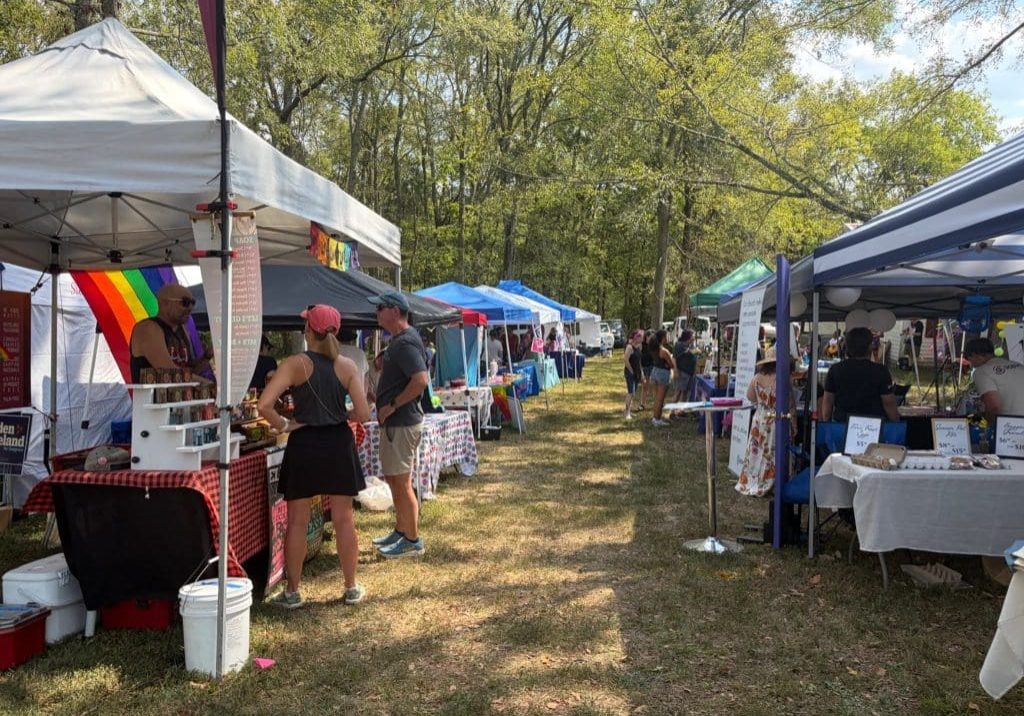
After losing its rural pride celebration, hundreds of people attended the second annual Affirming Sumner Pride celebration on a 24-acre farm dubbed “Fruity Farm” in Bethpage, Sumner County, Tennessee.

Signs of Life
In the Nantahala National Forest, a team of biologists spotted Indiana bats, an endangered species that hasn’t been seen in North Carolina for the last 11 years.

‘First Line of Defense’
During Hurricane Helene and its aftermath, rural fire departments and other first responder hubs played critical roles in keeping their communities safe, even without power and cut off from outside support for days or weeks after the storm. Two years later, plenty of work remains to ensure these hubs have the resources they need to operate day to day and be ready when emergencies or natural disasters strike.

The Rocky Road — and Bridge — to Recovery
Hurricane Helene is estimated to have damaged nearly 7,000 private roads and bridges in Western North Carolina. Two years later, many restoration projects are complete, but the journey hasn’t been easy — and isn’t over for others.
After 20 Years, Letcher County Prison Proposal Is Still Alive, Though Obstacles Remain
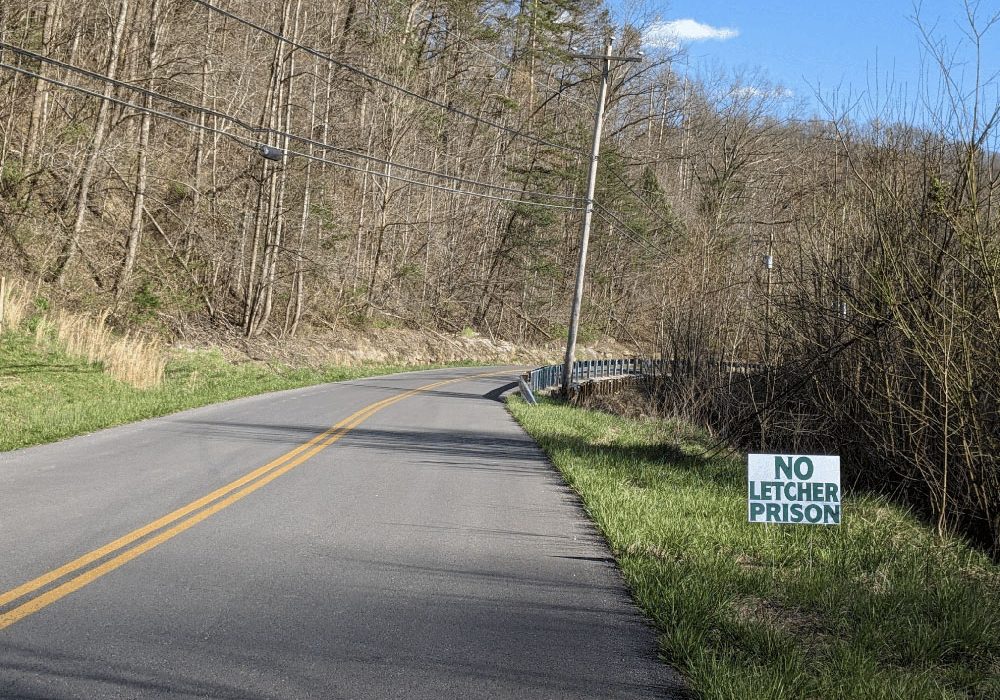
A $605 million proposal for a federal prison on a former strip mine site in Letcher County, Kentucky, championed by U.S. Rep. Hal Rogers, refuses to die, despite local opposition, a lack of support from the executive branch and numerous other obstacles.

Leave a comment
Your email address will not be published. Required fields are marked *
Leave a Comment