

Sara Day Evans: Accelerating Good Business
By Kimber Ray

Photo courtesy of Sara Day Evans
Although the environment and the economy are often painted as rival forces, Sara Day Evans never saw much sense in this argument. What she saw instead was a challenge — and an opportunity — to seek sustainable solutions. As the founding director of Accelerating Appalachia, a nature-based business accelerator launched this past year, Evans attests to the invariable link between economic and environmental quality.
A business accelerator is like a boot camp for promising start-up companies, and with a focus on nature-based work, Accelerating Appalachia is the first of its kind. Over the course of an intensive three-month training program, Accelerating Appalachia provides professional mentorship, financial guidance and networking opportunities to developing companies. Selected participants embody the increasingly popular concept of the triple bottom line: benefiting people, planet and profit. One such company— the Mitchell County, N.C.-based business Bark House— uses forest waste material to create biodegradable building products.
Evans’ enduring passion for sustainability was shaped at an early age by her parents, who instilled in her a love of people and place, explaining “It’s not about me, it’s about we.” Welcoming this philosophy of interconnection, Evans decided to work in the environmental field. After earning a master’s degree in hydrogeology from the University of Kentucky, Evans began working in environmental protection, displaying dedicated leadership for nearly 20 years on issues such as groundwater and waste management.
During this time, Evans was troubled by the continued economic distress she witnessed in Appalachia. “I was seeing economies that weren’t serving the people or the place for the long-term, just for the short-term,” she says. To create a robust economy, Evans asserts, you need “a business that works with your place, nature, people, and can make a profit too.”
27 Visionaries
READ THEIR STORIES
Recognizing that the strengths of Appalachia lay in the natural capital of the land — in sectors such as farming, natural textiles, sustainable forest products, botanicals and clean energy — Evans decided to launch Accelerating Appalachia. She talked with many different investors, and though she got a lot of nos at first, Evans always kept her head up. As a result of her commitment, Accelerating Appalachia launched its first three-month program session this October, with 11 businesses selected from a pool of more than 100 applicants.
“There are so many people today who are looking for a career with meaning,” Evans says. “By designing this project to be replicable, I hope to be able to share it with other regions.”
Business Participants in Accelerating Appalachia 2013
Climate Alive
Climate forecasting and planning tool
Bark House
Sustainable building products
Carolina Ground
Family mill producing organic grains
Riverbend Malt House
Local malts for craft brewers
Appalatch
Sustainable and domestically produced outdoor apparel
Echoview Fiber Mill
Gold LEED certified natural fibers processing mill
Smoking J’s Fiery Foods
Family farm producing peppers, sauces and salsas
Native Touch
Natural vegan certified skin care products
Veterans to Farmers
Farm training and job placement for veterans
GalloLea Pizza Kits
Organic, gluten-free and low-sodium pizza kits
Appalachian Botanical Garden
Herb grower’s cooperative supplying Western and Chinese herbs
Read this Business Week story about Accelerating Appalachia and Riverbend Malt House.
Related Articles
Latest News
More Stories

Halloween Approaches, and Night School Is in Session
The House of Art in Bluefield, West Virginia, looks like a haunted tower, making it the perfect location for its sixth annual haunt event: Night School. The Night School will be open every Friday and Saturday night through Oct. 31.
‘The Most Perfect Act of Love’
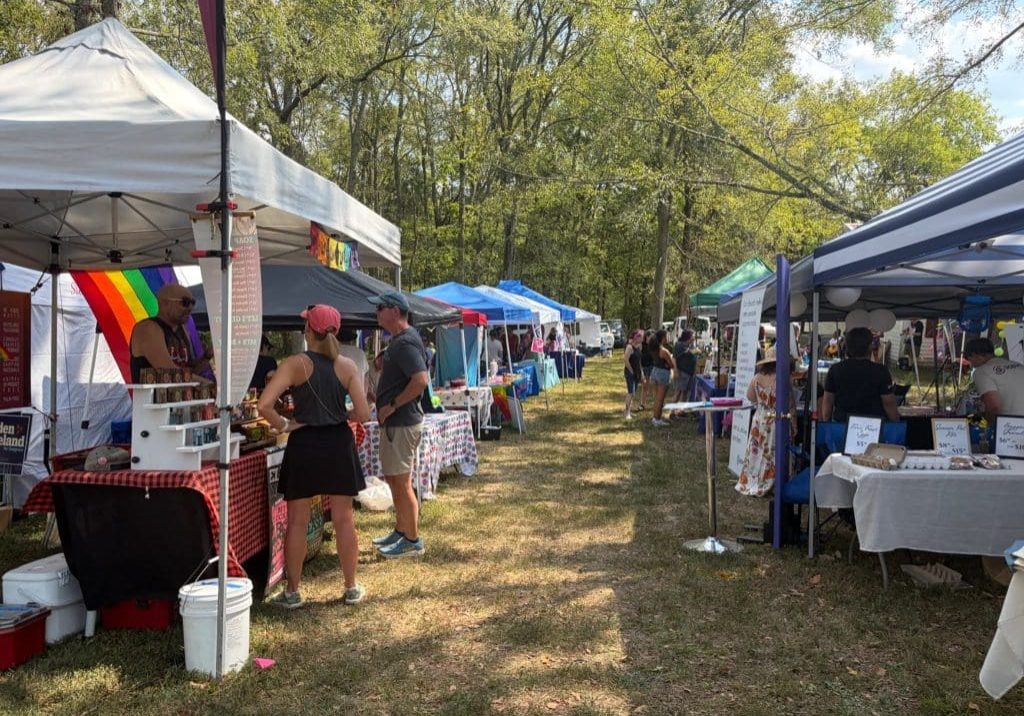
After losing its rural pride celebration, hundreds of people attended the second annual Affirming Sumner Pride celebration on a 24-acre farm dubbed “Fruity Farm” in Bethpage, Sumner County, Tennessee.

Signs of Life
In the Nantahala National Forest, a team of biologists spotted Indiana bats, an endangered species that hasn’t been seen in North Carolina for the last 11 years.
‘First Line of Defense’
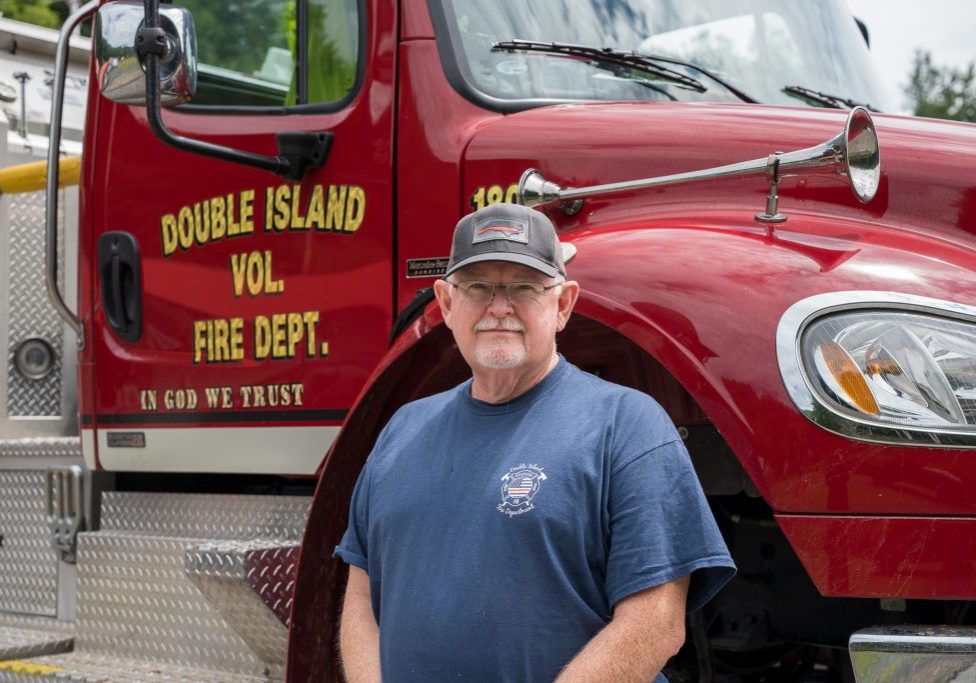
During Hurricane Helene and its aftermath, rural fire departments and other first responder hubs played critical roles in keeping their communities safe, even without power and cut off from outside support for days or weeks after the storm. Two years later, plenty of work remains to ensure these hubs have the resources they need to operate day to day and be ready when emergencies or natural disasters strike.
The Rocky Road — and Bridge — to Recovery
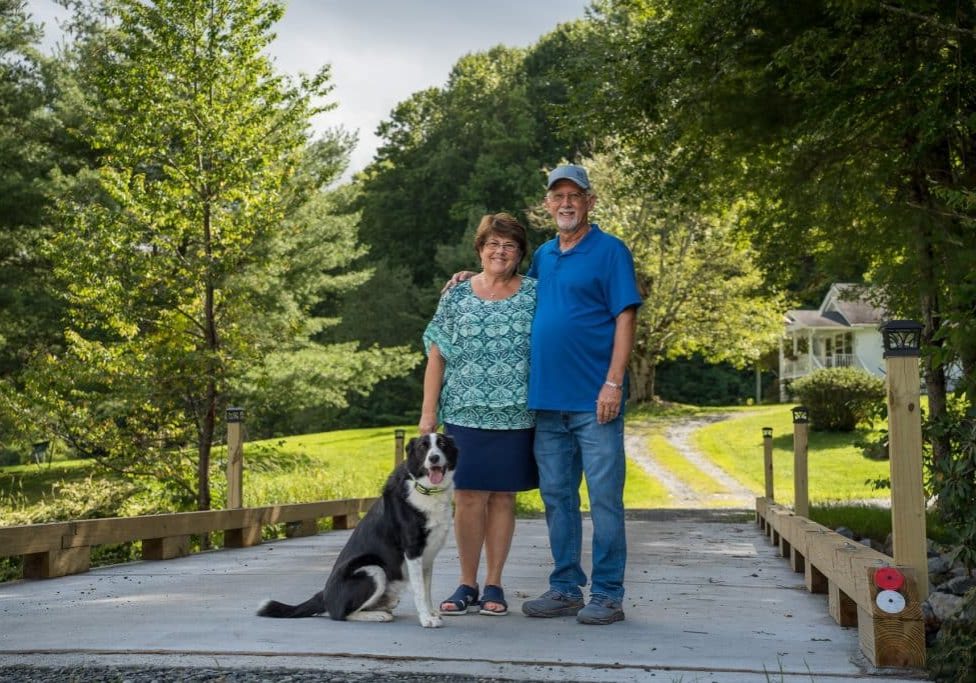
Hurricane Helene is estimated to have damaged nearly 7,000 private roads and bridges in Western North Carolina. Two years later, many restoration projects are complete, but the journey hasn’t been easy — and isn’t over for others.
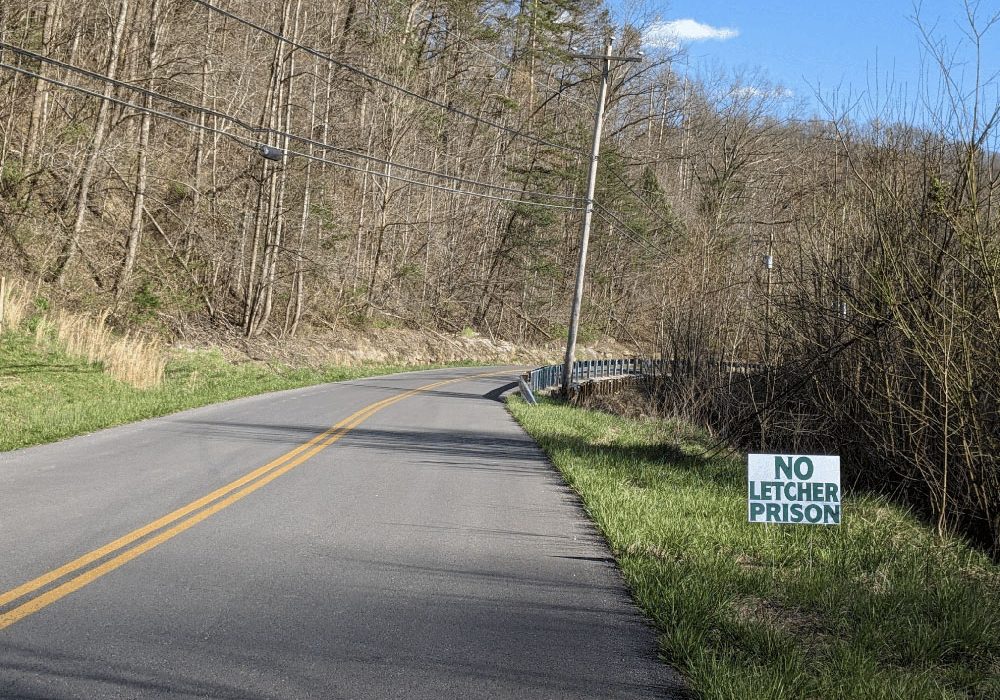
After 20 Years, Letcher County Prison Proposal Is Still Alive, Though Obstacles Remain
A $605 million proposal for a federal prison on a former strip mine site in Letcher County, Kentucky, championed by U.S. Rep. Hal Rogers, refuses to die, despite local opposition, a lack of support from the executive branch and numerous other obstacles.

Leave a comment
Your email address will not be published. Required fields are marked *
Leave a Comment