

Anna George: Aquatic Activist
By Peter Boucher
When Anna George was a child, she would pester her mother to take her to zoos and aquariums. As she grew up, she conducted research in a variety of aquatic environments — from the Dauphin Sea Lab on the Alabama coast to the Cayman Islands — and her incredible enthusiasm for animals developed into a passion for Appalachian freshwater fish.
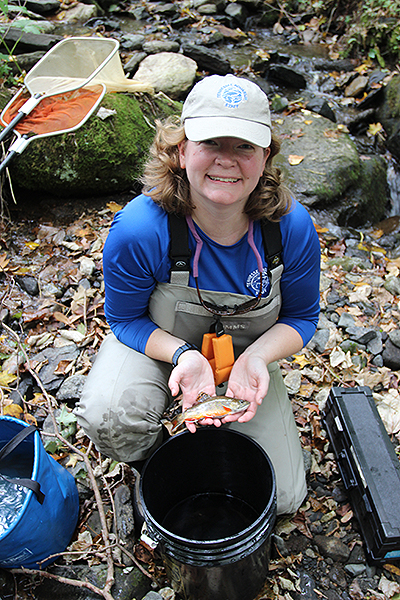
Photo courtesy of Anna George
As an undergraduate student, George found her natural habitat in the lakes, streams and rivers of the Mountain Lake Biology Station in Pembroke, Va. Impressed by the diversity of freshwater environments — home to more than 25 percent of all vertebrates on earth — George was roused to protect a variety of life that she felt was “in peril and extremely unknown.”
George studies the aquatic life in Appalachia in order to raise awareness about the ways that humans can better protect these species’ habitats. She leads the Conservation Institute at Chattanooga’s Tennessee Aquarium, teaches biology at Sewanee: The University of the South, writes books about freshwater fish, runs summer youth programs and conducts field research. Through the aquarium, George has adopted a project to reintroduce lake sturgeon, a freshwater fish, to the rivers of her home state of Tennessee, from which they disappeared more than 50 years ago. She often uses their release to give school groups hands-on biology lessons.
27 Visionaries
READ THEIR STORIES
George emphasizes that her role is as much about passing on information as it is about conducting research. “The challenge that I enjoy is communicating with people,” she says. “I get so excited and want to share everything I know!”
Through experiential teaching methods and her love for all things aquatic, Anna George inspires others to tap into their inner fish. “We all share this passion for nature,” she says, adding, “we have to learn how to balance our passion for nature with sustainability.”
Related Articles
Latest News
More Stories

‘First Line of Defense’
During Hurricane Helene and its aftermath, rural fire departments and other first responder hubs played critical roles in keeping their communities safe, even without power and cut off from outside support for days or weeks after the storm. Two years later, plenty of work remains to ensure these hubs have the resources they need to operate day to day and be ready when emergencies or natural disasters strike.

The Rocky Road — and Bridge — to Recovery
Hurricane Helene is estimated to have damaged nearly 7,000 private roads and bridges in Western North Carolina. Two years later, many restoration projects are complete, but the journey hasn’t been easy — and isn’t over for others.
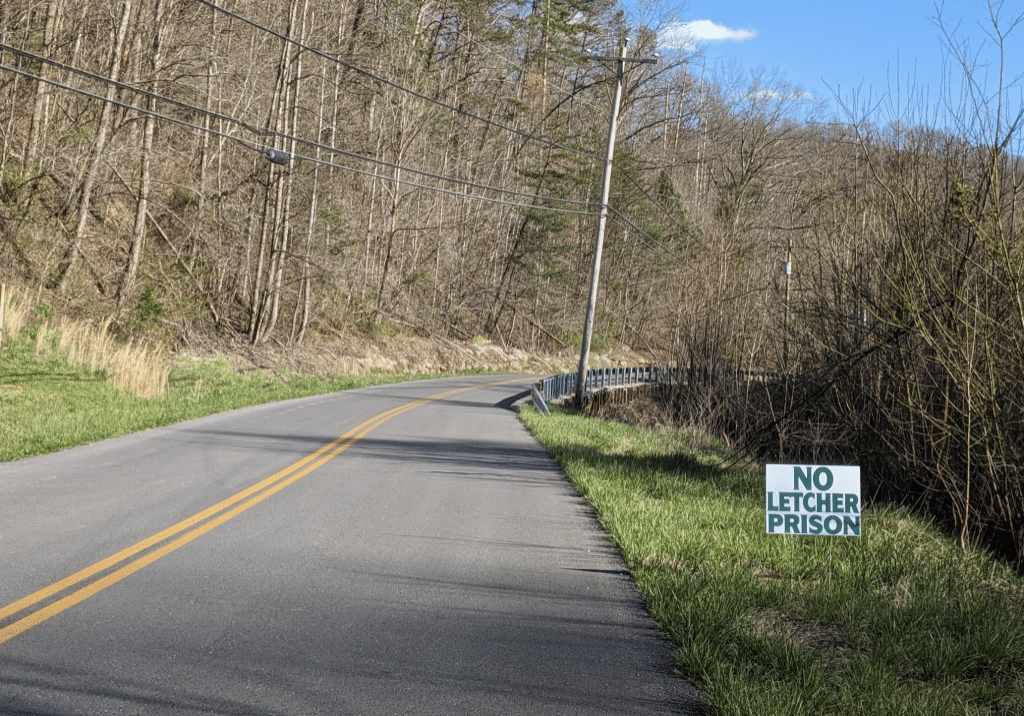
After 20 Years, Letcher County Prison Proposal Is Still Alive, Though Obstacles Remain
A $605 million proposal for a federal prison on a former strip mine site in Letcher County, Kentucky, championed by U.S. Rep. Hal Rogers, refuses to die, despite local opposition, a lack of support from the executive branch and numerous other obstacles.
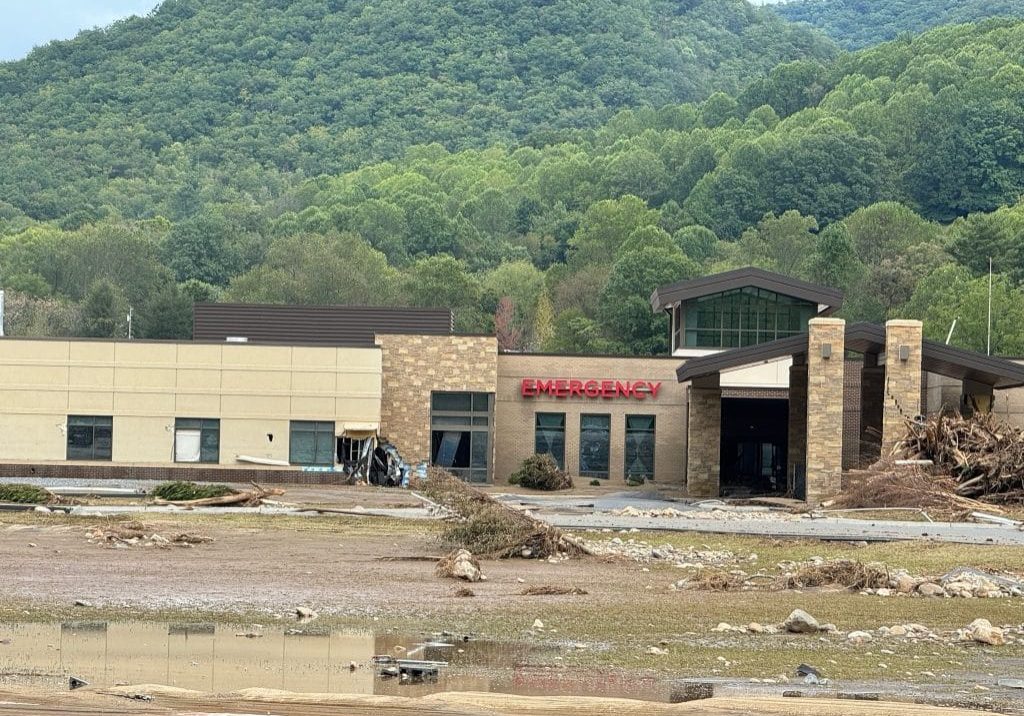
The Washout and Rebuild
For nearly two years, residents of Unicoi County, Tennessee, have had to make do without a hospital after Hurricane Helene destroyed the rural hospital. Ballad Health, which owns the hospital, broke ground on a new location — in another floodplain — in August 2026.
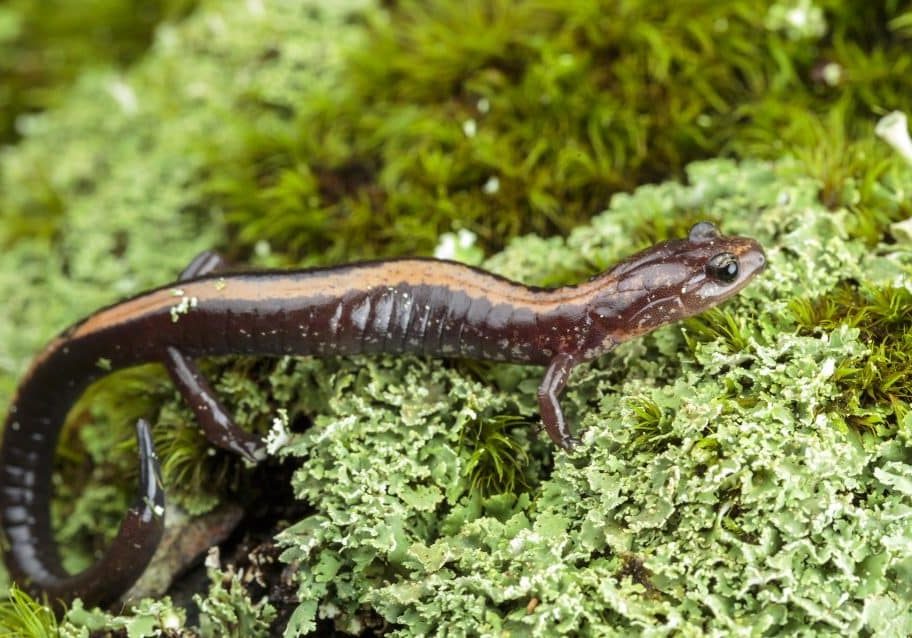
The Shenandoah Salamander
The Shenandoah salamander is a woodland salamander, which has adapted to life at higher elevations away from water. This sparkling rarity lives among the dry leaves, cracked logs, and stony hillocks on the highest peaks of Shenandoah National Park.
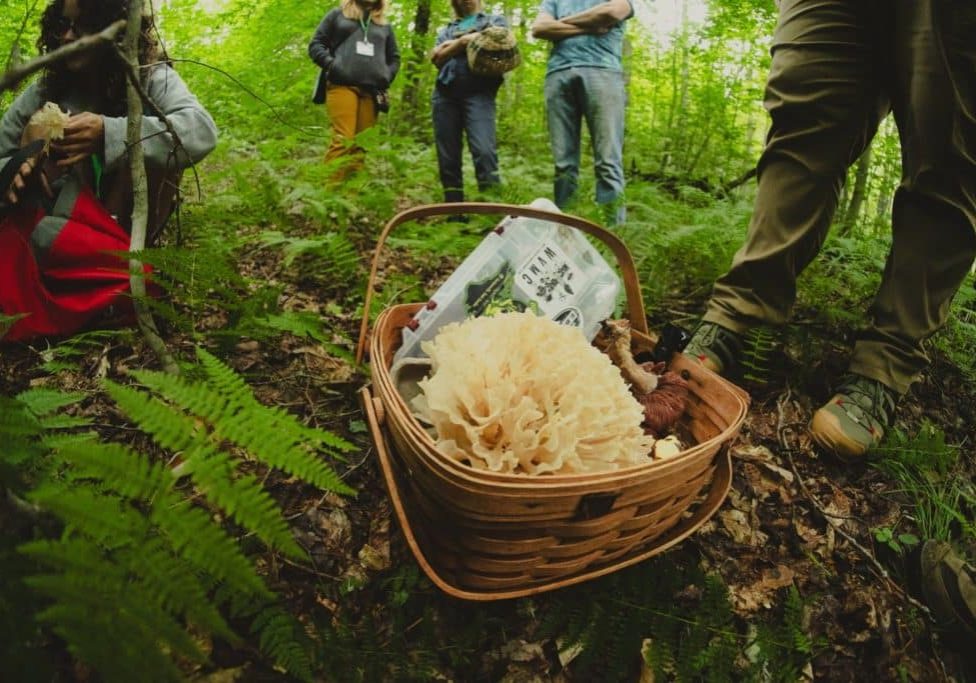
‘Foraging Is a Way of Connecting’
Foraging has experienced a modern resurgence, partly because of social media, online groups, the pandemic and people wanting to connect with nature. It also builds community, whether in person or online.

Leave a comment
Your email address will not be published. Required fields are marked *
Leave a Comment