

Charlottesville Expands Electric Vehicle Initiative
By Chelsey Fisher
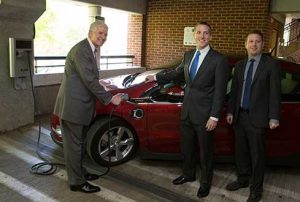
At a parking garage on the University of Virginia campus in Charlottesville, the university’s associate dean of students plugs in a Chevy Volt. Photo by Dan Addison
Throughout many large cities in Appalachia, electric vehicle chargers are increasing in availability near car dealerships, highways and tourist attractions, making it easier for owners to travel in the area.
Charlottesville, Va., is one such city promoting electric vehicles.
Charlottesville’s first experience with electric vehicles started in 2012 when the city received three Nissan LEAF cars through a research and development grant from the U.S. Department of Energy.
Although the LEAF loan is scheduled to end in 2014, Charlottesville decided to expand the electric vehicle trend with the help of one local business owner. Roger Voisinet, a realtor and former environmental planner who owns part of the city’s outdoor downtown mall, is working with city officials to add electric vehicle charging stations to the mall.
The agreement, which has no official timeline yet, would provide charging stations for people to use while they walk, eat or shop in the mall. Voisinet wants to use the solar power he previously installed to help power the stations.
One roadblock in Charlottesville’s way, however, is a new state law mandating that electric vehicle owners in Virginia pay $64 annually for each electric vehicle to offset lost gas taxes.
The effects of the additional state taxes, which went into effect July 1, have not been identified yet, but Susan Elliott, the city’s climate protection program coordinator, said it could possibly factor into the buying decision.
“It does make it a more complex decision,” she says. “Especially since EVs are new technology.”
But Elliott says she’s still excited to see the future of electric vehicles in Charlottesville and thinks the charging stations will also be helpful for local businesses.
“I’m definitely interested to see where the conversation goes in the next few years.”
Related Articles
Latest News
More Stories

Halloween Approaches, and Night School Is in Session
The House of Art in Bluefield, West Virginia, looks like a haunted tower, making it the perfect location for its sixth annual haunt event: Night School. The Night School will be open every Friday and Saturday night through Oct. 31.
‘The Most Perfect Act of Love’
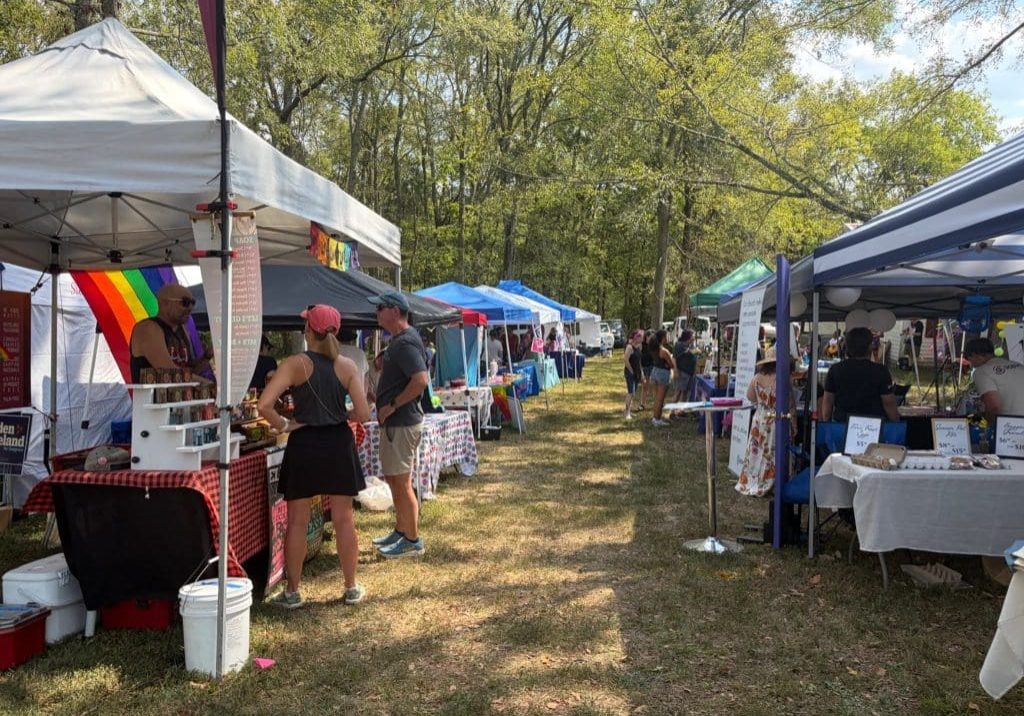
After losing its rural pride celebration, hundreds of people attended the second annual Affirming Sumner Pride celebration on a 24-acre farm dubbed “Fruity Farm” in Bethpage, Sumner County, Tennessee.
Signs of Life
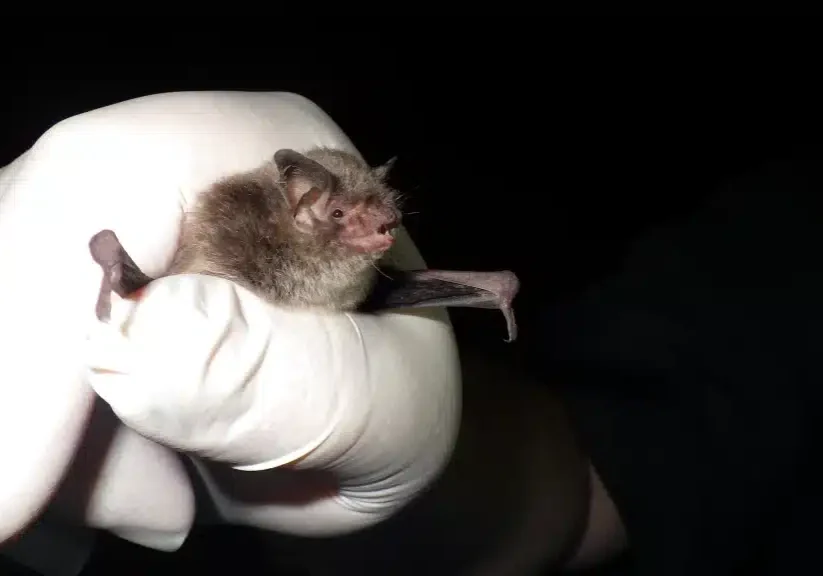
In the Nantahala National Forest, a team of biologists spotted Indiana bats, an endangered species that hasn’t been seen in North Carolina for the last 11 years.

‘First Line of Defense’
During Hurricane Helene and its aftermath, rural fire departments and other first responder hubs played critical roles in keeping their communities safe, even without power and cut off from outside support for days or weeks after the storm. Two years later, plenty of work remains to ensure these hubs have the resources they need to operate day to day and be ready when emergencies or natural disasters strike.

The Rocky Road — and Bridge — to Recovery
Hurricane Helene is estimated to have damaged nearly 7,000 private roads and bridges in Western North Carolina. Two years later, many restoration projects are complete, but the journey hasn’t been easy — and isn’t over for others.
After 20 Years, Letcher County Prison Proposal Is Still Alive, Though Obstacles Remain
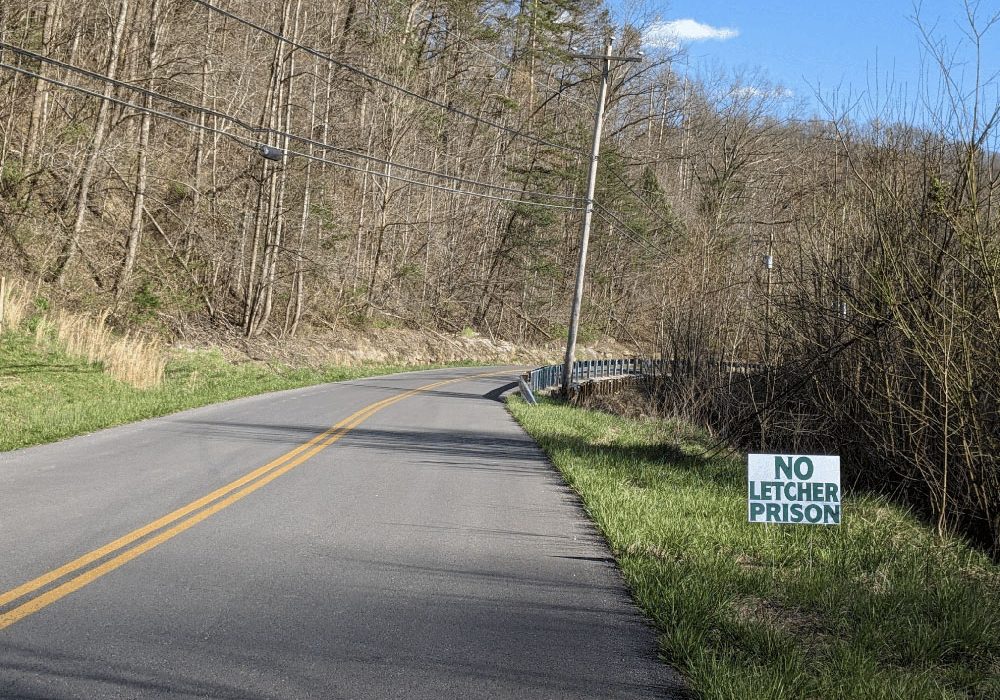
A $605 million proposal for a federal prison on a former strip mine site in Letcher County, Kentucky, championed by U.S. Rep. Hal Rogers, refuses to die, despite local opposition, a lack of support from the executive branch and numerous other obstacles.

Leave a comment
Your email address will not be published. Required fields are marked *
Leave a Comment