

By Chelsey Fisher
The Appalachian Regional Commission opened a new bank called Appalachian Community Capital in June to increase loans and other capital that small businesses in Appalachia receive.
Industry analyses have shown that over the past several years, banks across the nation have instituted tighter credit requirements for small-business lending and reduced their risk-taking ability. Combined with the tough ongoing economic environment, it remains difficult for business owners in some parts of Appalachia to receive loans.
Appalachian businesses, on average, receive 82 percent of the money from loans that comparable businesses receive outside of the region, while businesses in Appalachia’s economically distressed counties receive less than 60 percent of the loans of their national counterparts.
“There’s a stigma in Appalachia that says, ‘You’re profoundly rural, you’re profoundly uneducated and you’re remote, and we’re not going to spend the time to get in there and provide you the financing,’” Ray Moncrie, a creditor who gave $6 million to the new bank, told The Charleston Gazette.
The Appalachian Regional Commission made the first investment into this bank, donating $3.45 million of equity. Through partnerships, ARC hopes to add another $39 million of equity.
In the next 24 months, ARC hopes to add $233 million in private capital to create 2,200 jobs in 13 states, and help the bank make a business plan and become a not-for-profit entity.
The Appalachian Regional Commission is an economic development agency that works in 13 Appalachian states. Its goal is to improve infrastructure, add jobs, and help Appalachia compete in a global economy.
W.Va. Faith Leaders Hold Day of Prayer for Creation Care
On July 30, 2013, faith and community leaders in West Virginia joined together to call for measures to reduce carbon pollution and clean up the state’s waterways, which are threatened by mercury and selenium pollution.
“There is no time to delay, as the health and well-being of our children is already being affected,” said Rev. Mitch Hescox of the Evangelical Environmental Network.
Participants at the gathering in Morgantown emphasized their moral responsibility to West Virginia’s children to clean up the environment.
“As a pro-life Republican, let me add that we must set aside partisanship and come together to protect God’s creation from climate change,” said Rev. Hescox. “American ingenuity can help us cut down on pollution, champion energy efficiency and create the next generation of jobs while protecting our kids from harm.”
Related Articles
Latest News
More Stories

Halloween Approaches, and Night School Is in Session
The House of Art in Bluefield, West Virginia, looks like a haunted tower, making it the perfect location for its sixth annual haunt event: Night School. The Night School will be open every Friday and Saturday night through Oct. 31.
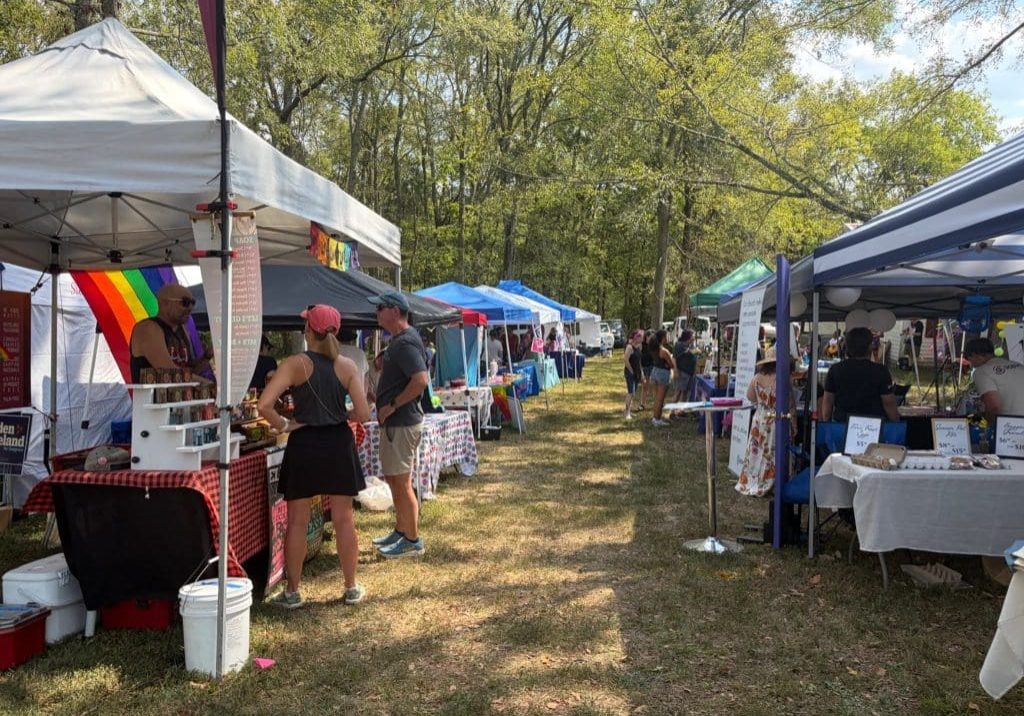
‘The Most Perfect Act of Love’
After losing its rural pride celebration, hundreds of people attended the second annual Affirming Sumner Pride celebration on a 24-acre farm dubbed “Fruity Farm” in Bethpage, Sumner County, Tennessee.

Signs of Life
In the Nantahala National Forest, a team of biologists spotted Indiana bats, an endangered species that hasn’t been seen in North Carolina for the last 11 years.

‘First Line of Defense’
During Hurricane Helene and its aftermath, rural fire departments and other first responder hubs played critical roles in keeping their communities safe, even without power and cut off from outside support for days or weeks after the storm. Two years later, plenty of work remains to ensure these hubs have the resources they need to operate day to day and be ready when emergencies or natural disasters strike.

The Rocky Road — and Bridge — to Recovery
Hurricane Helene is estimated to have damaged nearly 7,000 private roads and bridges in Western North Carolina. Two years later, many restoration projects are complete, but the journey hasn’t been easy — and isn’t over for others.
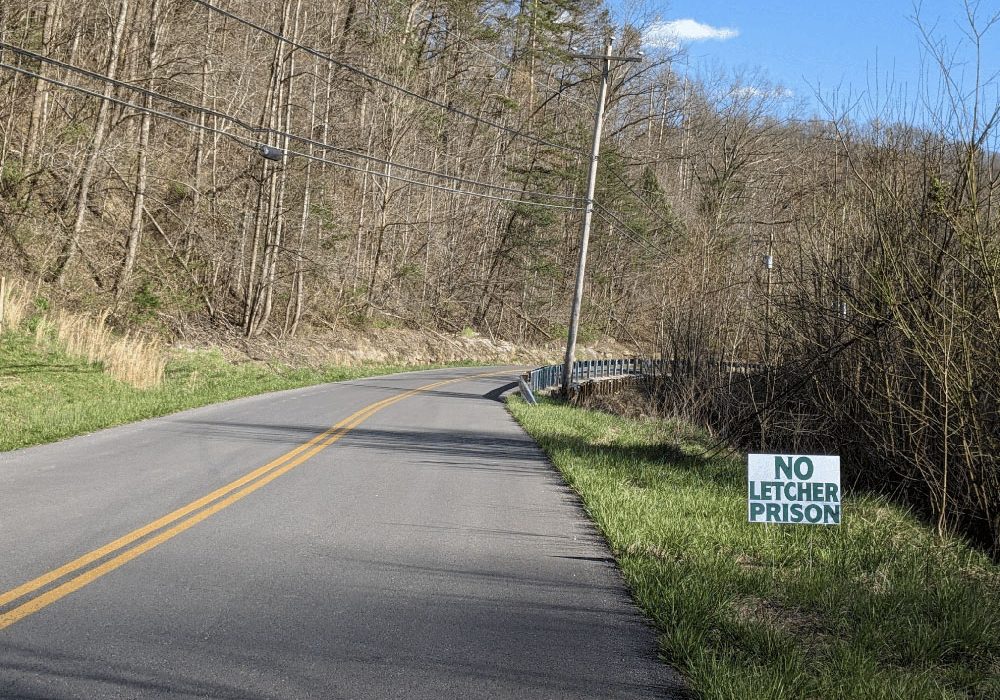
After 20 Years, Letcher County Prison Proposal Is Still Alive, Though Obstacles Remain
A $605 million proposal for a federal prison on a former strip mine site in Letcher County, Kentucky, championed by U.S. Rep. Hal Rogers, refuses to die, despite local opposition, a lack of support from the executive branch and numerous other obstacles.

Leave a comment
Your email address will not be published. Required fields are marked *
Leave a Comment