

Seeking A Return to Truth
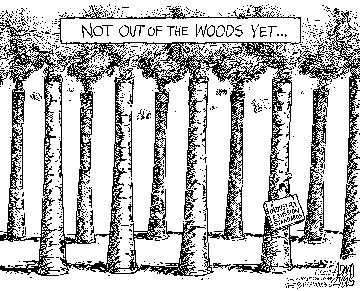
When did America’s leaders stop trusting in science?
This fair country, with its wealth of knowledge and opportunity, used to be one of the global frontrunners in scientific reasoning, influence and education. We stood by the principles of proof rather than blind emotion or myth. In the 19th century, those principles brought us anesthesia and refrigeration, and in the 20th century they launched us to the moon and made us a leader in medicine, computer technology. In fact, since 1950, Americans have won approximately half of the Nobel Prizes awarded in the sciences.
So tell me, when did we abandon reason for madness?
In some circles in modern America, to admit that climate change exists is to admit that what many of our corporate interests have done in pursuit of profit is not only selfish, but immoral, unjust and in some cases amounts to negligent homicide.
We have never been more equipped, technologically or cognitively, to address the greatest challenges of our time. And climate change is unequivocally one of them. Yet, instead of taking sound science into account, much less accept and act on it, many continue to choose denial.
The twisting of scientific facts — and climate science in particular — is a smokescreen that hides the guilt and fattened purses of those who are desecrating our planet, poisoning people and polluting the future of our children in exchange for quarterly earnings.
According to a yearly study by Yale University, following the severe drought and bizarre weather of the past two years, a whopping 66 percent of Americans believe in climate change, while a report by the George Mason University Center for Climate Change Communication revealed that 72 percent believe that developing clean energies should be a national priority. Even following the cold winters of 2009 and 2010, more than half of Americans still believed climate change was a real threat — despite studies that show colder winters skew the results even if summers are warmer.
But thanks to a powerful propaganda machine, unscrupulous media outlets that act as little more than echo chambers, and embedded industry lobbyists on Capitol Hill, the nation’s politicians are falling in line not with honest and verifiable scientific facts, and not with the American people they purport to represent, but with the corporations that line their pockets.
Our most admired Founding Fathers — including John Adams, Thomas Jefferson and Benjamin Franklin — adhered to the tenets of scientific study. It’s time that the American people demand that our politicians embrace a mindset where sensibility and reason prevail and scientific fact is accepted as just that — fact.
So tell me, when will we return from madness to reason?
Related Articles
Latest News
More Stories

Halloween Approaches, and Night School Is in Session
The House of Art in Bluefield, West Virginia, looks like a haunted tower, making it the perfect location for its sixth annual haunt event: Night School. The Night School will be open every Friday and Saturday night through Oct. 31.

‘The Most Perfect Act of Love’
After losing its rural pride celebration, hundreds of people attended the second annual Affirming Sumner Pride celebration on a 24-acre farm dubbed “Fruity Farm” in Bethpage, Sumner County, Tennessee.

Signs of Life
In the Nantahala National Forest, a team of biologists spotted Indiana bats, an endangered species that hasn’t been seen in North Carolina for the last 11 years.

‘First Line of Defense’
During Hurricane Helene and its aftermath, rural fire departments and other first responder hubs played critical roles in keeping their communities safe, even without power and cut off from outside support for days or weeks after the storm. Two years later, plenty of work remains to ensure these hubs have the resources they need to operate day to day and be ready when emergencies or natural disasters strike.

The Rocky Road — and Bridge — to Recovery
Hurricane Helene is estimated to have damaged nearly 7,000 private roads and bridges in Western North Carolina. Two years later, many restoration projects are complete, but the journey hasn’t been easy — and isn’t over for others.
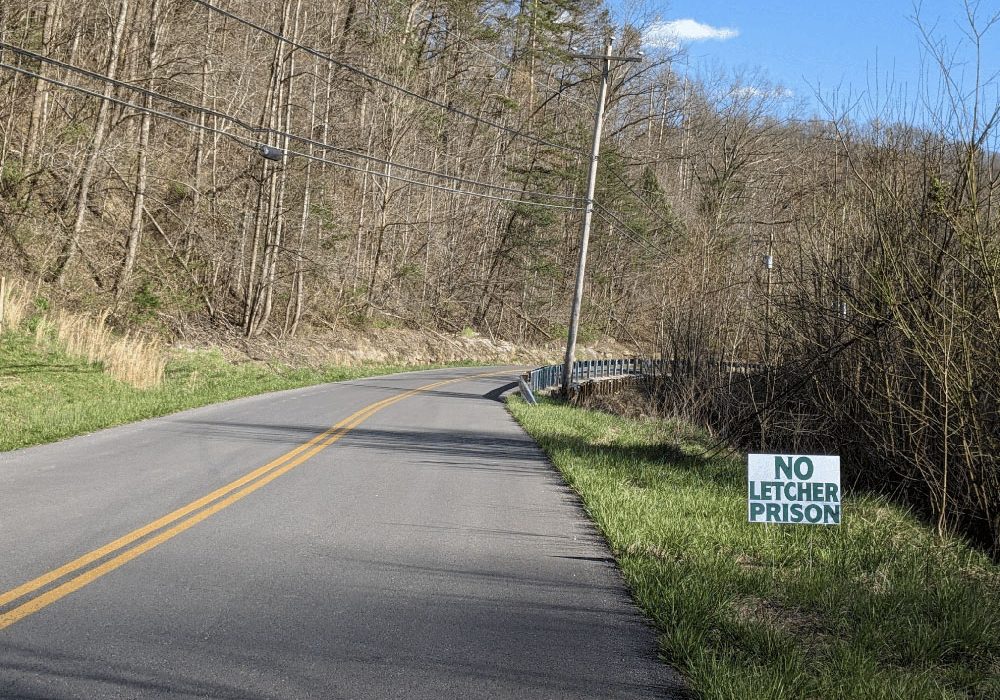
After 20 Years, Letcher County Prison Proposal Is Still Alive, Though Obstacles Remain
A $605 million proposal for a federal prison on a former strip mine site in Letcher County, Kentucky, championed by U.S. Rep. Hal Rogers, refuses to die, despite local opposition, a lack of support from the executive branch and numerous other obstacles.

Leave a comment
Your email address will not be published. Required fields are marked *
Leave a Comment