

By Brian Sewell
After Gov. Bev Perdue vetoed a controversial bill to legalize hydraulic fracturing in North Carolina, both the state Senate and House allowed little time for debate before voting to override the block.
In the Republican-led House of Representatives, the veto override created controversy when it succeeded by one mistaken vote. Rep. Becky Carney, a Democrat from Mecklenburg County who had been vocal in her opposition to legalizing fracking, accidentally voted with Republicans to override the veto when she pressed the wrong button.
Upon realizing her mistake, Carney immediately asked to be allowed to recast her vote. Although allowing lawmakers to change an accidental vote is routine practice, the chamber’s rules do not provide members a second vote if it affects the outcome.
The legislature’s next task is to appoint the members of the N.C. Mining and Energy Commission representing the range of residents’ views who will develop regulations of fracking intended to protect North Carolinians’ health and the environment. Only two of the 15 members of the commission are required to have conservation backgrounds by the bill, but even this simple precept is proving controversial.
A red flag was raised when Ray Covington, the co-founder of North Carolina Oil and Gas, which manages mineral rights leases for landowners in return for a share of future profits, was appointed to positions meant for conservationists by House Speaker Thom Tillis. Watchdog groups and concerned residents are calling for Covington’s replacement, citing an obvious conflict of interest.
Considering state lawmakers’ handling of the process to bring fracking to North Carolina so far, some residents worry that the state is already putting oil and gas interests ahead of their own.
Related Articles
Latest News
More Stories
Signs of Life
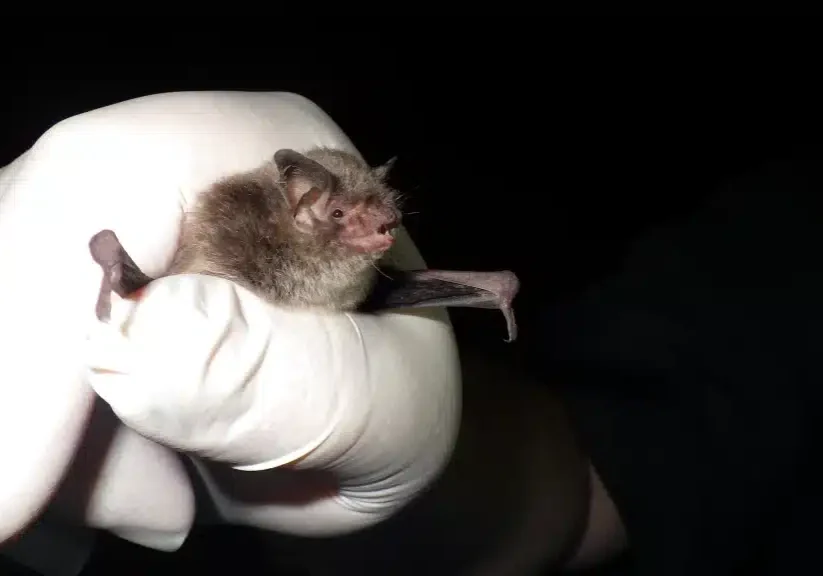
In the Nantahala National Forest, a team of biologists spotted Indiana bats, an endangered species that hasn’t been seen in North Carolina for the last 11 years.

‘First Line of Defense’
During Hurricane Helene and its aftermath, rural fire departments and other first responder hubs played critical roles in keeping their communities safe, even without power and cut off from outside support for days or weeks after the storm. Two years later, plenty of work remains to ensure these hubs have the resources they need to operate day to day and be ready when emergencies or natural disasters strike.

The Rocky Road — and Bridge — to Recovery
Hurricane Helene is estimated to have damaged nearly 7,000 private roads and bridges in Western North Carolina. Two years later, many restoration projects are complete, but the journey hasn’t been easy — and isn’t over for others.
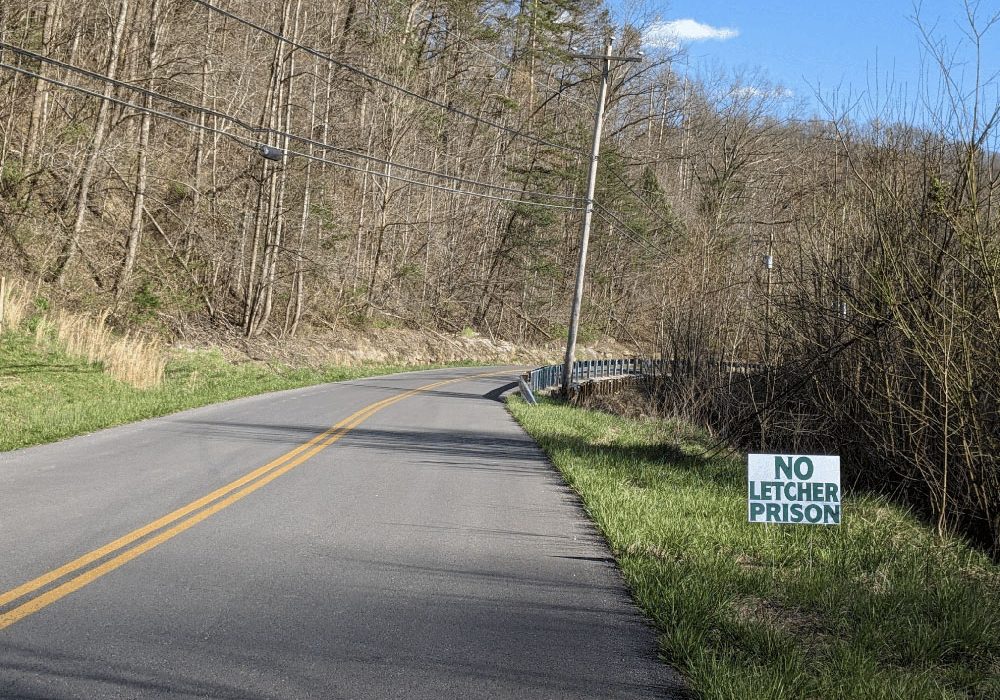
After 20 Years, Letcher County Prison Proposal Is Still Alive, Though Obstacles Remain
A $605 million proposal for a federal prison on a former strip mine site in Letcher County, Kentucky, championed by U.S. Rep. Hal Rogers, refuses to die, despite local opposition, a lack of support from the executive branch and numerous other obstacles.
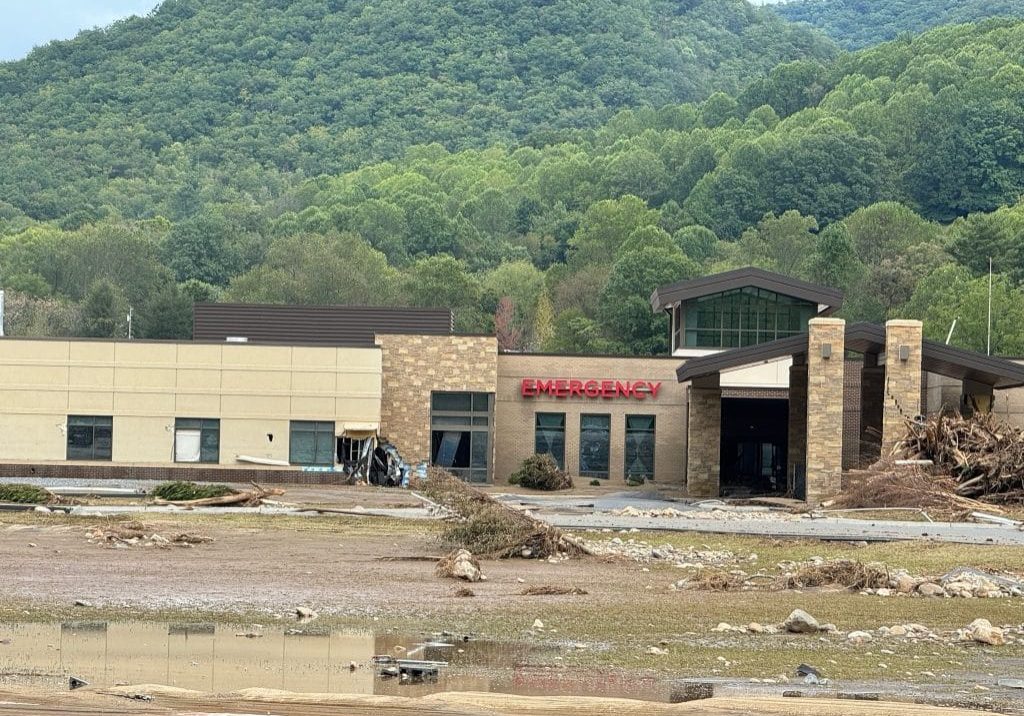
The Washout and Rebuild
For nearly two years, residents of Unicoi County, Tennessee, have had to make do without a hospital after Hurricane Helene destroyed the rural hospital. Ballad Health, which owns the hospital, broke ground on a new location — in another floodplain — in August 2026.

The Shenandoah Salamander
The Shenandoah salamander is a woodland salamander, which has adapted to life at higher elevations away from water. This sparkling rarity lives among the dry leaves, cracked logs, and stony hillocks on the highest peaks of Shenandoah National Park.

Leave a comment
Your email address will not be published. Required fields are marked *
Leave a Comment