

By Brian Sewell
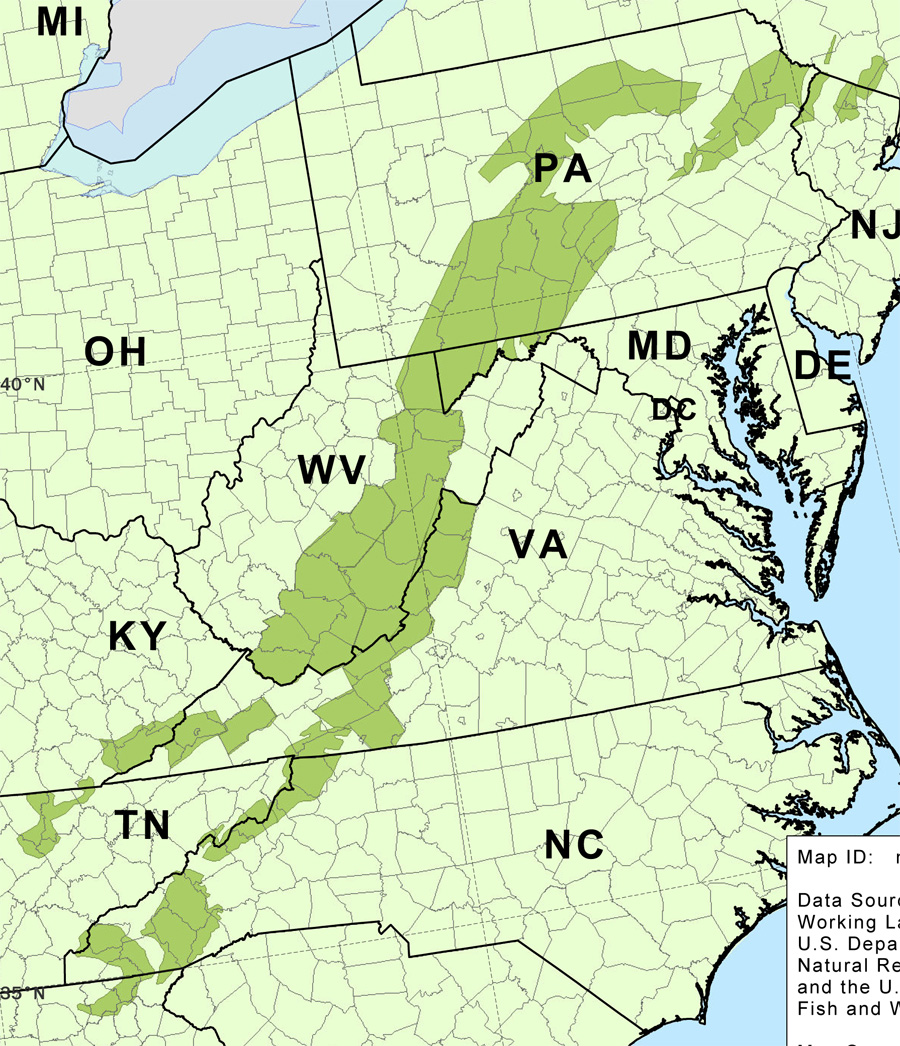
This map from the Natural Resources Conservation Service marks the golden-winged warbler focus area for the new conservation program
Appalachia’s favorite bird, the golden-winged warbler, has been selected as one of seven focus species by a new partnership between the U.S. Department of Agriculture and the U.S. Fish and Wildlife Service that aims to reverse population decline through habitat restoration. The “Working Lands for Wildlife” program will collaborate with private landowners and farmers to restore species populations while boosting rural economies by protecting working lands.
According to the USDA’s Natural Resources Conservation Service, the habitat of nearly two-thirds of all species federally listed as threatened or endangered exists on private lands. With $33 million in funding from the Wildlife Habitat Incentive Program, the partnership selected seven species, including the golden-winged warbler and the bog turtle, whose preservation will also benefit wildlife with similar habitat needs.
Traditionally, the golden-winged warbler has thrived in the forested hills and grasslands of the Appalachian Mountains. But land lost to development and changes in forestry and agricultural practices have caused populations to decrease.
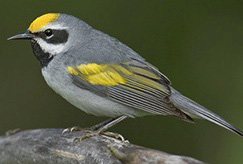
Photo courtesy of U.S. Fish & Wildlife Service
The “Working Lands for Wildlife” partnership aims to rebuild habitat on private lands necessary for the warbler’s spring breeding, by managing and maintaining forested landscapes near active agriculture or pastureland. By cooperating with landowners and local communities, the federal partnership can help the golden-winged warbler population remain at home in the region and off the Endangered Species list.
Tennessee PBS Harnesses the Sun
East Tennessee PBS announced that a 38-kilowatt solar system mounted to their building’s rooftop is now operating and generating electricity. The 162-solar panel system can power four houses for up to 40 years. Funded in part by a grant from the Tennessee Solar Institute and the American Recovery and Reinvestment Act, PBS says that the system will never cost the station or its members anything, but will decrease the station’s power bill by 20 percent. All engineering and installation work on the rooftop system was sourced by contractors in eastern Tennessee.
Appalachia to Furnish Asian Homes
Home-furnishings and wood products businesses in Appalachia are seeking to expand export sales from Asia to the Pacific Rim at the Furniture Manufacturing and Supply China 2012 trade fair in Shanghai. Qualified Appalachian businesses can apply to join the Appalachia USA delegation traveling from Sept. 11-14. For information on the trade fair, visit: expo.fmcchina.com.cn
Saving Our Rivers (and Kids!) from Drugs
Organizers of the annual prescription drug take-back day in Watauga County, N.C., are stepping it up a notch this spring, aiming to collect one million pills in this year’s May 19 Operation Medicine Cabinet. The twice-yearly event, sponsored by the Upper Watauga Riverkeeper and area groups, is designed to keep prescription drugs from being flushed into the water stream as well as out of the hands of kids. For more information visit: drugtakebackday.com
Related Articles
Latest News
More Stories

Halloween Approaches, and Night School Is in Session
The House of Art in Bluefield, West Virginia, looks like a haunted tower, making it the perfect location for its sixth annual haunt event: Night School. The Night School will be open every Friday and Saturday night through Oct. 31.
‘The Most Perfect Act of Love’
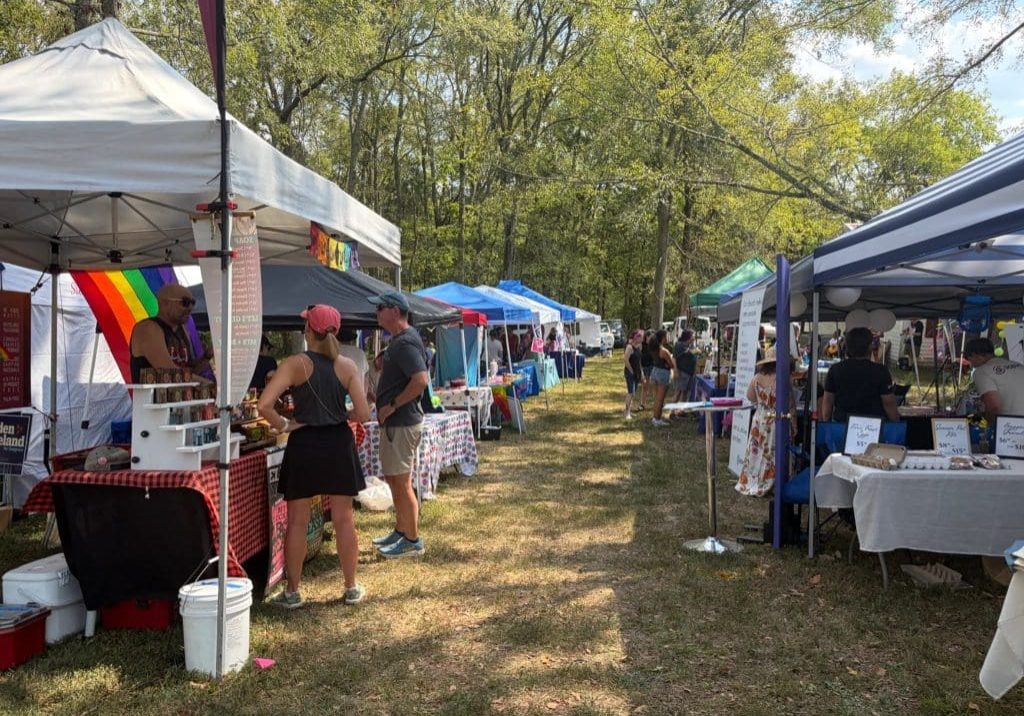
After losing its rural pride celebration, hundreds of people attended the second annual Affirming Sumner Pride celebration on a 24-acre farm dubbed “Fruity Farm” in Bethpage, Sumner County, Tennessee.

Signs of Life
In the Nantahala National Forest, a team of biologists spotted Indiana bats, an endangered species that hasn’t been seen in North Carolina for the last 11 years.

‘First Line of Defense’
During Hurricane Helene and its aftermath, rural fire departments and other first responder hubs played critical roles in keeping their communities safe, even without power and cut off from outside support for days or weeks after the storm. Two years later, plenty of work remains to ensure these hubs have the resources they need to operate day to day and be ready when emergencies or natural disasters strike.

The Rocky Road — and Bridge — to Recovery
Hurricane Helene is estimated to have damaged nearly 7,000 private roads and bridges in Western North Carolina. Two years later, many restoration projects are complete, but the journey hasn’t been easy — and isn’t over for others.
After 20 Years, Letcher County Prison Proposal Is Still Alive, Though Obstacles Remain
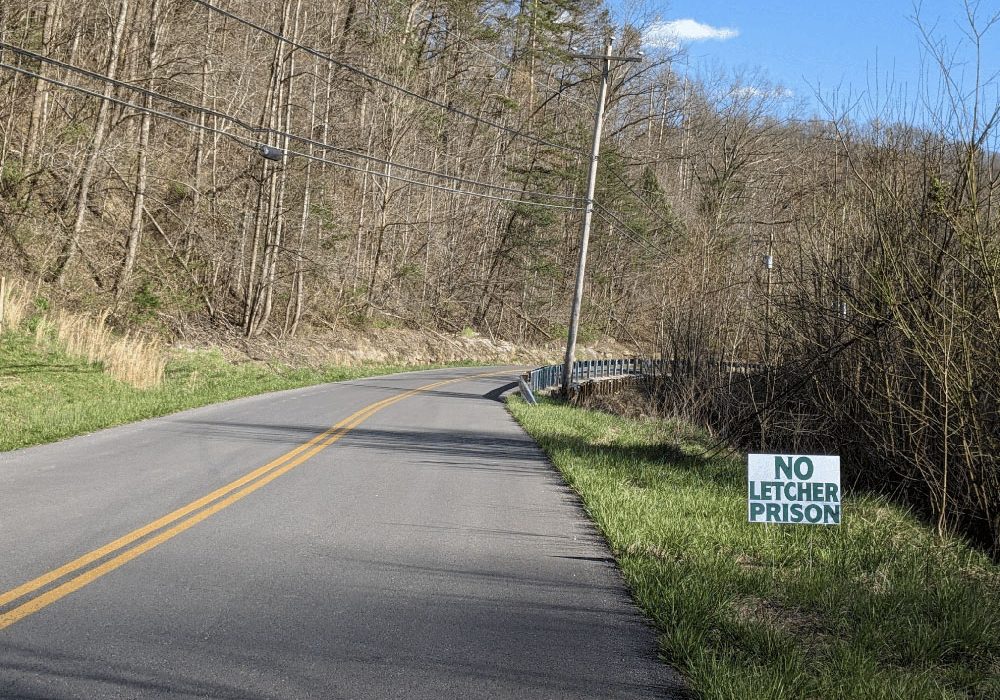
A $605 million proposal for a federal prison on a former strip mine site in Letcher County, Kentucky, championed by U.S. Rep. Hal Rogers, refuses to die, despite local opposition, a lack of support from the executive branch and numerous other obstacles.

Leave a comment
Your email address will not be published. Required fields are marked *
Leave a Comment