

Take Me to the River(Fest)
By Parker Stevens, Festival Coordinator
Start your summer with a splash at the 2nd annual Appalachian Voices’ RiverFest and membership gathering, slated for June 4 in beautiful Valle Crucis, N.C., on the banks of the Watauga River.
At this year’s RiverFest, folks will have the opportunity to try their hand at making Japanese-style fish prints, learn more about the tiny critters in our river, eat delicious BBQ and even meet one of the event’s mascots — a real hellbender.
Festival goers will also be able to participate in hands-on demonstrations and talk to water quality experts like Appalachian Voices’ own Riverkeeper, Donna Lisenby.
There will also be an opportunity to float or paddle down the river (provided the water level is adequate).
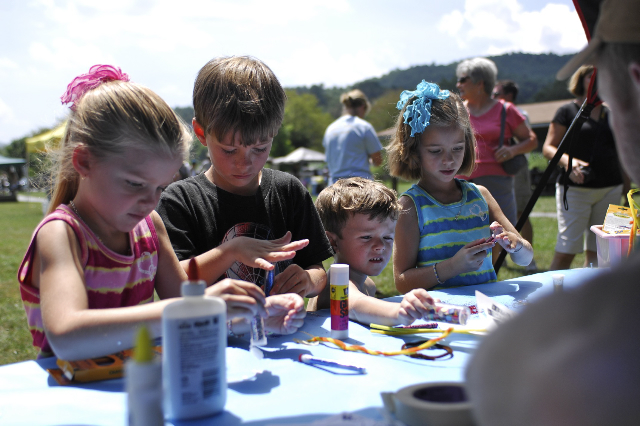
RiverFest has fun activities for kids and adults alike. Photos by Jamie Goodman and Dot Griffith.
And in case you don’t see one on your own, the N.C. Wildlife Commission will have a live hellbender you can meet while learning more about their struggle to survive. To read more about these prehistoric, giant salamanders, see our sidebar on page 4.
There will be face painting, nature walks, piñatas and a cake walk too! And back by popular demand – a no-hands watermelon eating contest! Trust me folks, it’s harder than it sounds, but it’s certainly fun (and entertaining to watch).
This year, RiverFest will also serve as Appalachian Voices’ annual membership gathering. If you are a member of Appalachian Voices, bring your ideas, questions or suggestions. You will have the opportunity to meet with members of our staff and board and learn more about the important work we are doing in the region. If you are not yet a member and would like to participate in the membership meeting portion of the event, you can join Appalachian Voices by completing the form on page 26 or by visiting us online at appvoices.org.
Gyo-taku-huh?
Interested in arts & crafts? Try your hand at Gyotaku fish prints! The name for this Japanese style of art comes from the word for fish (gyo) and rubbing or impression (taku). We will use paint and rubber fish molds to make colorful prints of fish while learning about the adaptations they have made in order to live in different environments.
Creatures With Three Tails!
Visit the Watauga River Partners to learn all about bugs and insects in the river. Use microscopes and magnifying glasses to get up close and personal with a mayfly larva – an insect that does indeed have three tails. Once you can identify them, head down to the river to see if you can find some for yourself.

Be a Raindrop
Ever wondered what it’s like to be a raindrop? At RiverFest, kids can become a water droplet and make their way through a water cycle obstacle course, from a rain cloud all the way to a kitchen sink.
A Foot-Stompin’ Good Time
Live blue grass music will be provided by Bill Adams (Charlottesville, Va.) and the band Upright & Breathin’ (Boone, N.C.). If you are musically inclined, bring an instrument and join your fellow musicians at the Pickin’ Parlor.
Even after this issue goes to print, we will continue to add more great activities, demonstrations and partnerships. Visit AppVoices.org/RiverFest to get the latest scoop on RiverFest 2011. See you there!
Hellbender: Sasquatch of the Salamanders
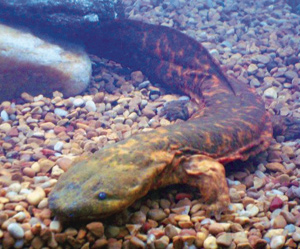
Hellbenders can live up to 30 years, however they are currently threatened due to habitat loss in their fragile territories. Photo by Lori A. Williams, North Carolina Wildlife Resources Commission
Cryptic, territorial and elusive are traits inherent to the hellbender salamander, a unique and formidable looking creature with almost prehistoric appeal.
The Eastern hellbender is the largest aquatic salamander in the United States, affectionately known as the snot otter, devil dog or Appalachian alligator. This giant amphibian averages from 12 to 15 inches long, but has been known to grow over two feet in length. They generally hide during the day beneath flat rocks in shallow, clean and quick moving streams. Hellbenders can live for more than 30 years in ideal conditions.
Though often killed by fisherman for fear they are eating fish, these toothless giants hunt primarily for crayfish, toads and salamanders.
The hellbender is exclusively found in the mountains and surrounding local areas in the eastern United States, with the largest concentration in western North Carolina.
These unique creatures are very important indicators of water quality. As adults they breathe entirely through their skin, which makes them extremely sensitive to pollution and siltation.
Hellbender populations have dramatically declined in the last 25 years. The International Union for Conservation of Nature (IUCN) lists them as near threatened and they are close to qualifying for vulnerable status. In addition to the threat of fishermen, the hellbenders are at risk of habitat loss and degradation.
At RiverFest, you can visit the N.C. Wildlife Resources Commission and meet Rocky, a live hellbender — an opportunity you don’t want to miss.
Activities:
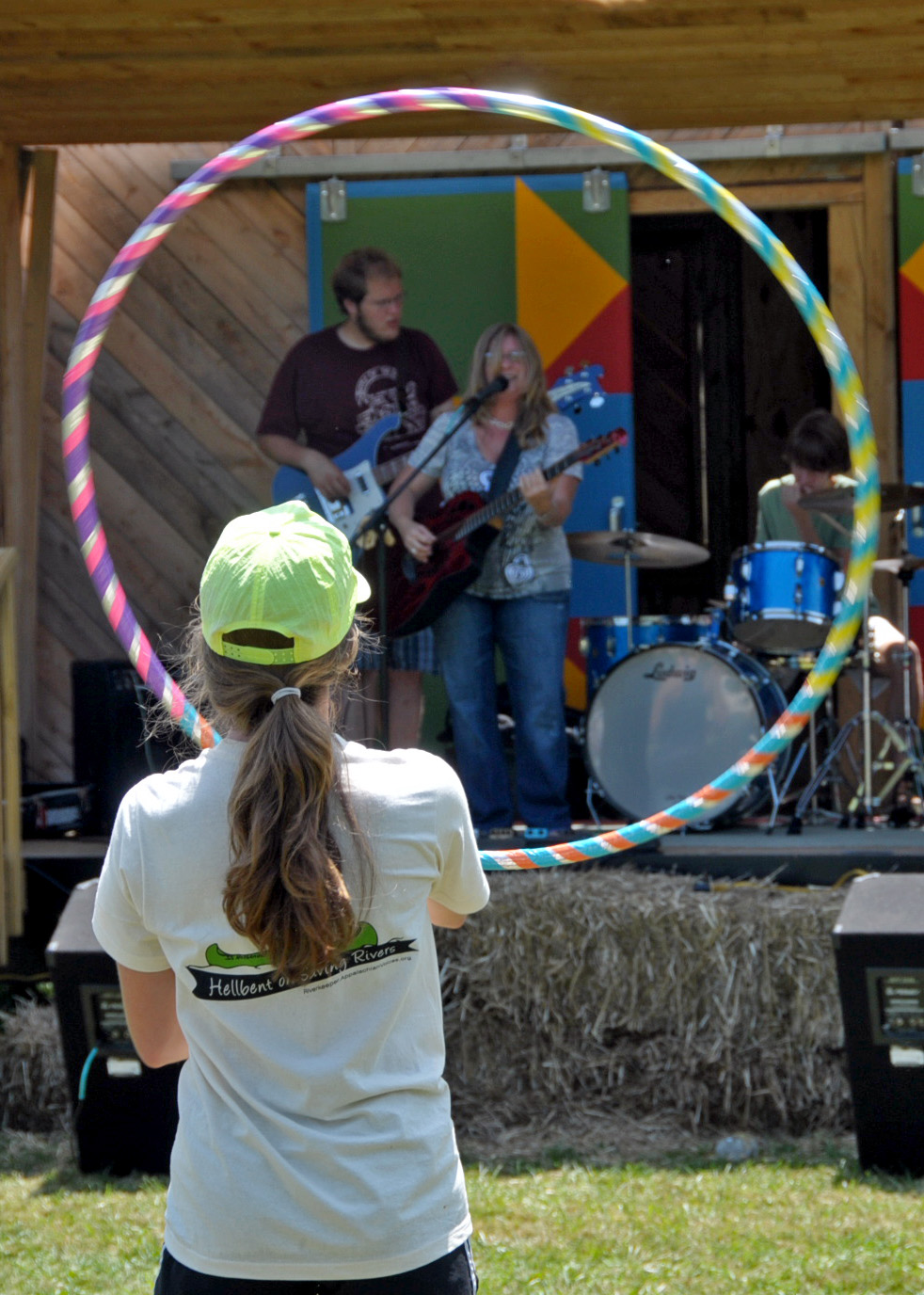
Live music by Upright & Breathin’ and Bill Adams
BBQ lunch featuring
local foods
Gyotaku fish prints
Water cycle obstacle course
Aquatic bug station
Enviroscape
Face painting
Rubber duck races
Cake walk
No-hands watermelon
eating contest
Nature walks
Piñatas
Make your own trail mix
Related Articles
Latest News
More Stories
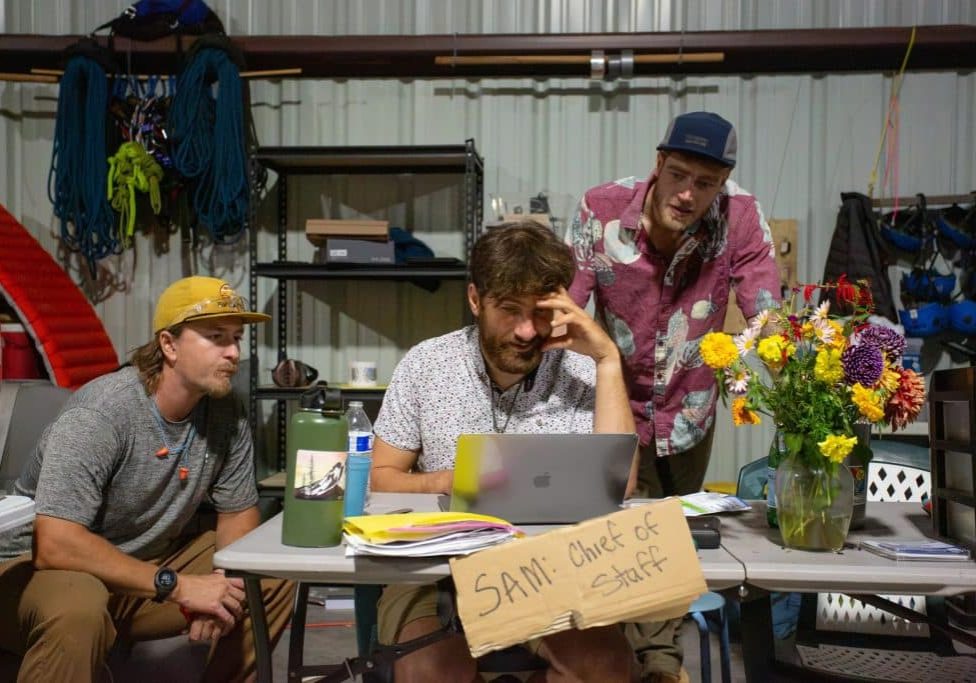
Neighbors Help Neighbors
A photo essay that celebrates the volunteer spirit of the grassroots group Hurricane Helene WNC and speaks to the resourcefulness, collaboration and hard work embodied by thousands and thousands of volunteers, first responders and aid workers across the region after Hurricane Helene.

Halloween Approaches, and Night School Is in Session
The House of Art in Bluefield, West Virginia, looks like a haunted tower, making it the perfect location for its sixth annual haunt event: Night School. The Night School will be open every Friday and Saturday night through Oct. 31.
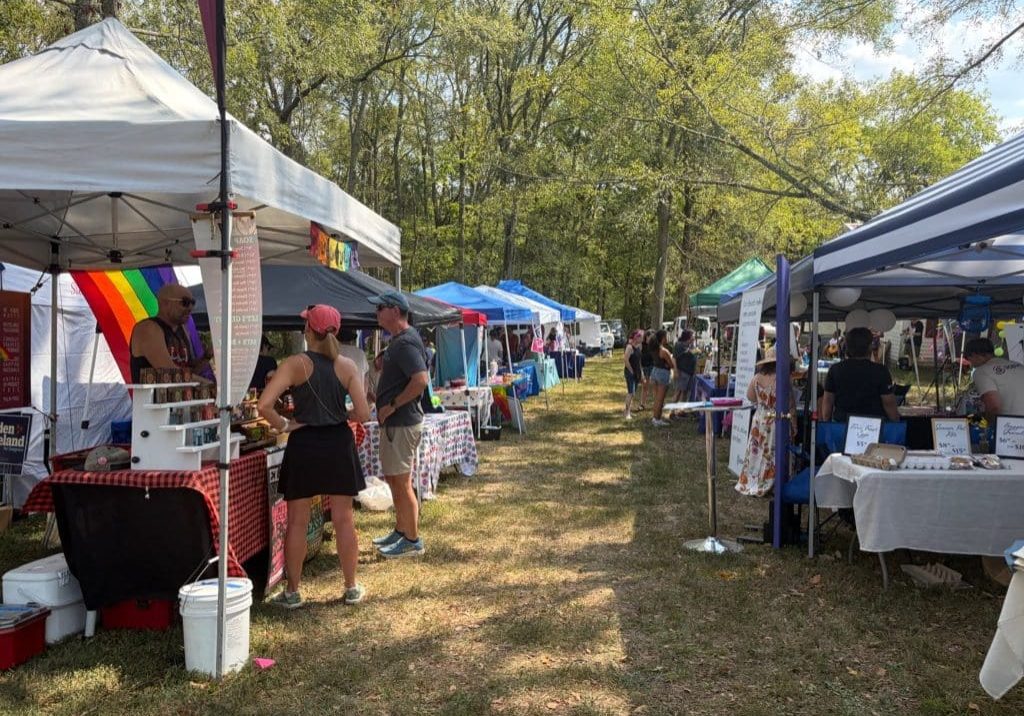
‘The Most Perfect Act of Love’
Hundreds of people attended the second annual Affirming Sumner Pride celebration on a 24-acre farm dubbed “Fruity Farm” in Bethpage, Sumner County, Tennessee.
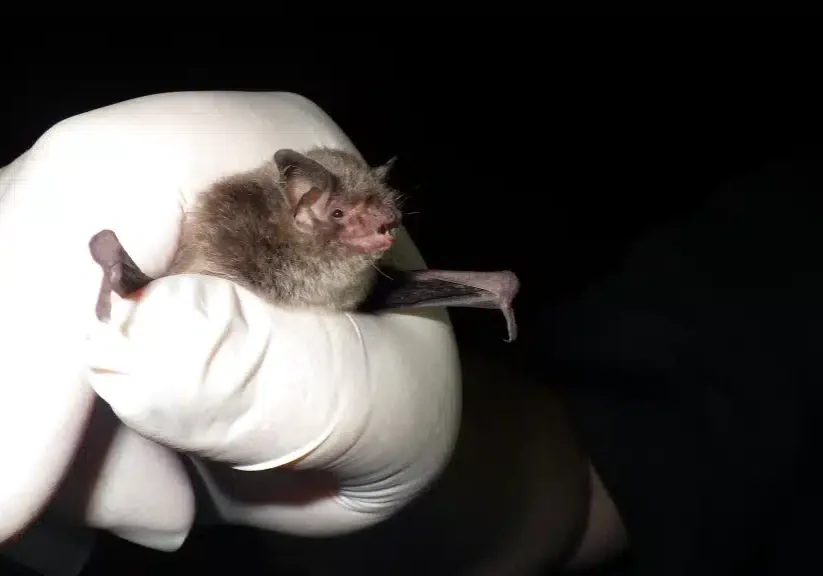
Signs of Life: Endangered Bats Found in Nantahala for First Time in More Than a Decade
In the Nantahala National Forest, a team of biologists spotted Indiana bats, an endangered species that hasn’t been seen in North Carolina for the last 11 years.
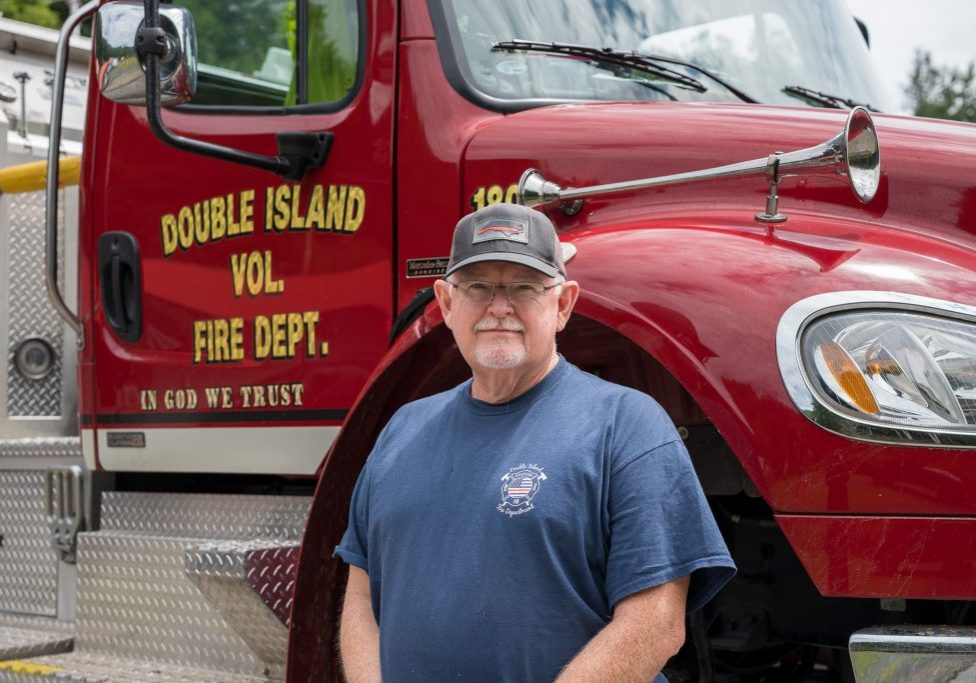
‘First Line of Defense’
During Hurricane Helene and its aftermath, rural fire departments and other first responder hubs played critical roles in keeping their communities safe, even without power and cut off from outside support for days or weeks after the storm. Two years later, plenty of work remains to ensure these hubs have the resources they need to operate day to day and be ready when emergencies or natural disasters strike.
The Rocky Road — and Bridge — to Recovery
Hurricane Helene is estimated to have damaged nearly 7,000 private roads and bridges in Western North Carolina. Two years later, many restoration projects are complete, but the journey hasn’t been easy — and isn’t over for others.

Leave a comment
Your email address will not be published. Required fields are marked *
Leave a Comment