

Visions for the Future: Build It Up, W.Va.
The opinions expressed in Viewpoints are those of the author’s and are not necessarily reflected by The Appalachian Voice
By Joe Gorman
Appalachia’s population is aging and its youth are leaving. This is a critical moment: for a sustainable future we need to give youth a reason to stay here.
Currently, the Appalachian economy is choked by extractive industries and doesn’t offer much for people who don’t want to mine coal or offer ‘fries with that.’ This is the big-picture reason we created the Build-It-Up West Virginia summer program—to instill hope and values of sustainability in young people and hook youth into creative and proactive forms of resistance that are building diverse and regional economies.
I see food and energy as key components of sustainability in Appalachia’s future. All energy production is extractive, but the more we produce our own energy, the bigger the incentive is to boot out practices that destroy our natural systems that supply us with water and food
West Virginia can easily provide all its own energy from less harmful, decentralized, renewable sources if we can break our exploitation by extractive corporations and invest in energy conservation. There is a multifaceted fight against the energy status quo, but we are working to get youth involved in grassroots renewable energy projects as well.
Though our first major exports were pelts, cattle and moonshine, West Virginia now sits at the bottom of the list for agriculture, and most farmers are on the verge of retirement.
But the Green Revolution’s focus on large-scale monocultures caused it to skip over Appalachia, and sustainable food traditions never fully disappeared. Farmers are physically closer than agricultural people in other parts of the country, which facilitates traditional knowledge sharing and building self-sufficient communities.
So in my work, I will continue to foster those connections and inspire youth with the concrete change we make in local and sustainable energy and food.
Joe Gorman is the group coordinator for Build-It-Up West Virginia, a project of the Student Environmental Action Coalition (SEAC) sponsored by Americorps VISTA, Step-by-Step West Virginia, the Ohio Valley Environmental Coalition, and Coal River Mountain Watch. The 2010 program started June 6th and continues through August 1st.
Related Articles
Latest News
More Stories
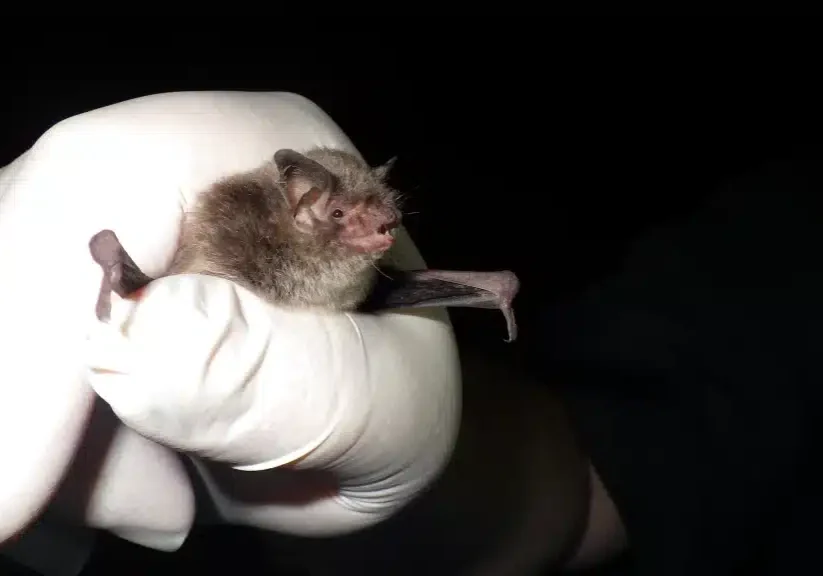
Signs of Life
In the Nantahala National Forest, a team of biologists spotted Indiana bats, an endangered species that hasn’t been seen in North Carolina for the last 11 years.
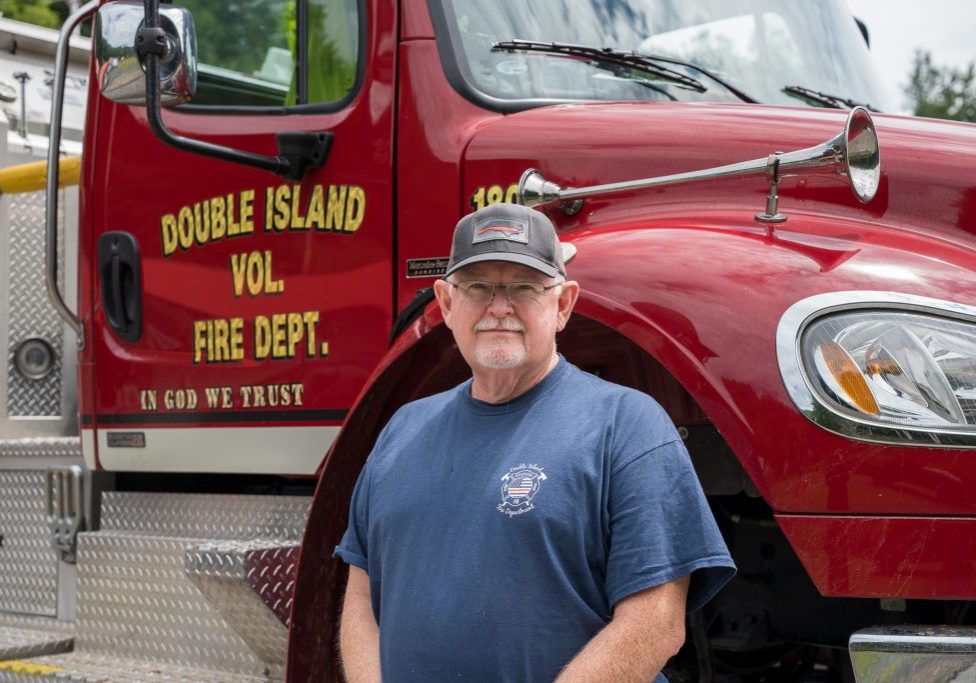
‘First Line of Defense’
During Hurricane Helene and its aftermath, rural fire departments and other first responder hubs played critical roles in keeping their communities safe, even without power and cut off from outside support for days or weeks after the storm. Two years later, plenty of work remains to ensure these hubs have the resources they need to operate day to day and be ready when emergencies or natural disasters strike.
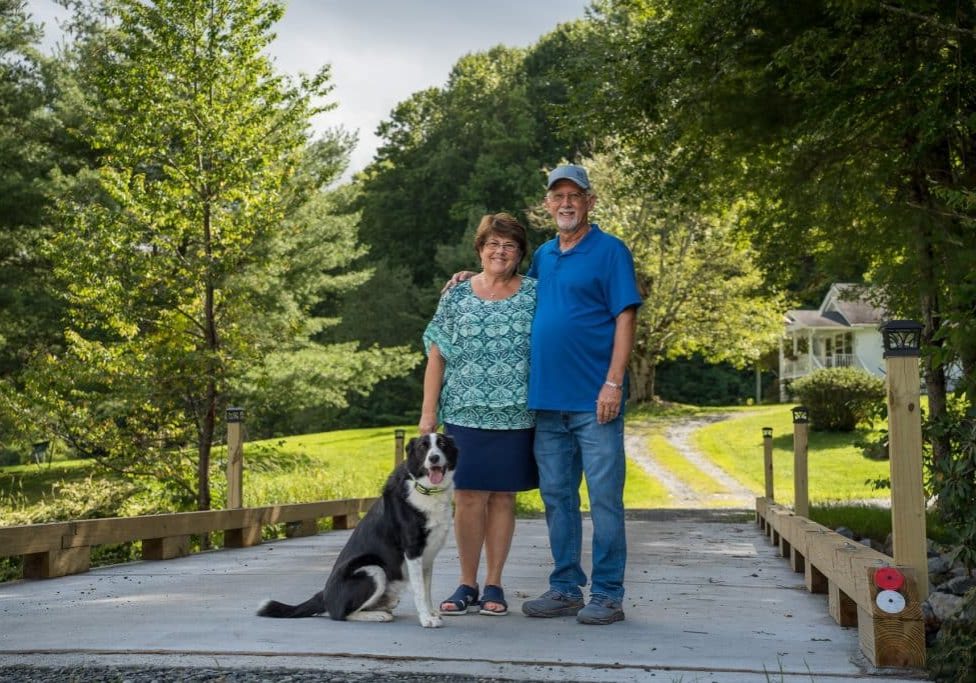
The Rocky Road — and Bridge — to Recovery
Hurricane Helene is estimated to have damaged nearly 7,000 private roads and bridges in Western North Carolina. Two years later, many restoration projects are complete, but the journey hasn’t been easy — and isn’t over for others.
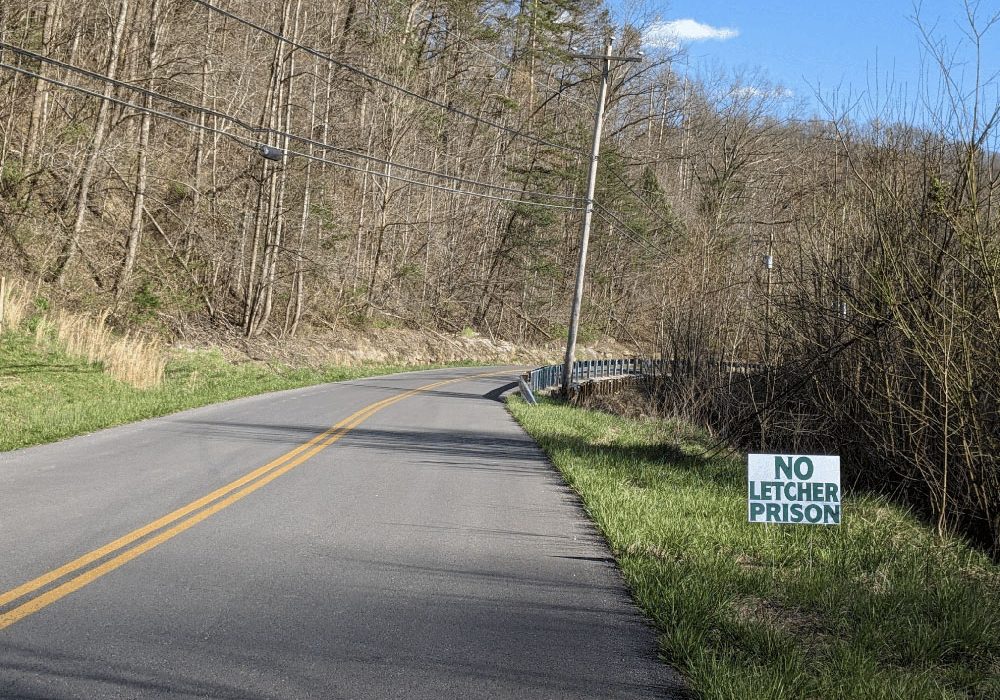
After 20 Years, Letcher County Prison Proposal Is Still Alive, Though Obstacles Remain
A $605 million proposal for a federal prison on a former strip mine site in Letcher County, Kentucky, championed by U.S. Rep. Hal Rogers, refuses to die, despite local opposition, a lack of support from the executive branch and numerous other obstacles.
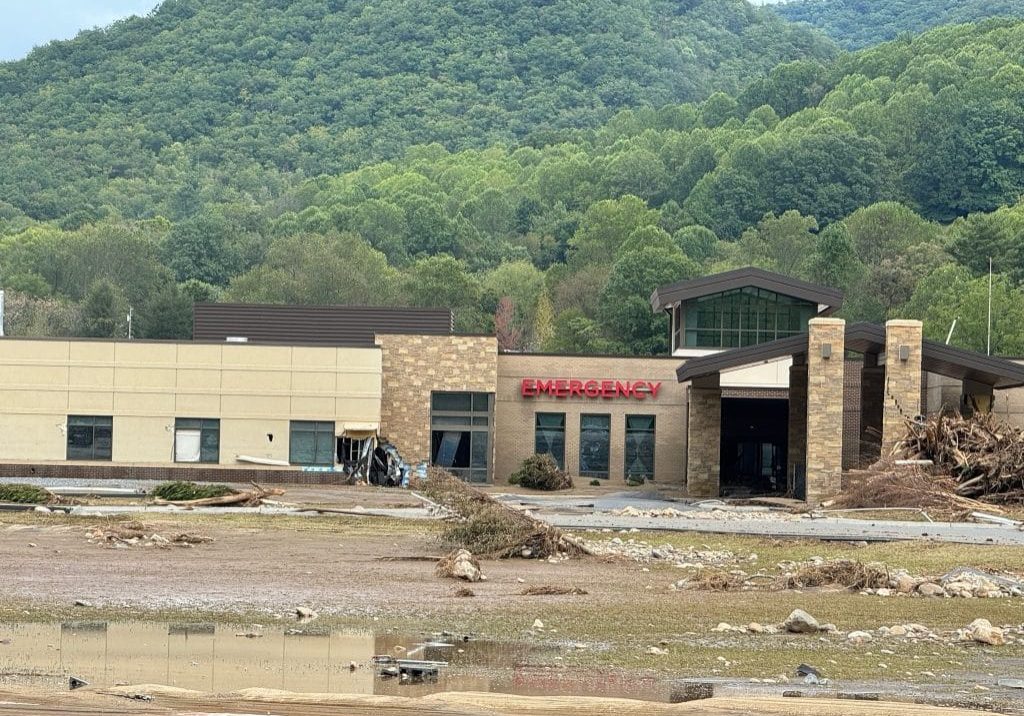
The Washout and Rebuild
For nearly two years, residents of Unicoi County, Tennessee, have had to make do without a hospital after Hurricane Helene destroyed the rural hospital. Ballad Health, which owns the hospital, broke ground on a new location — in another floodplain — in August 2026.
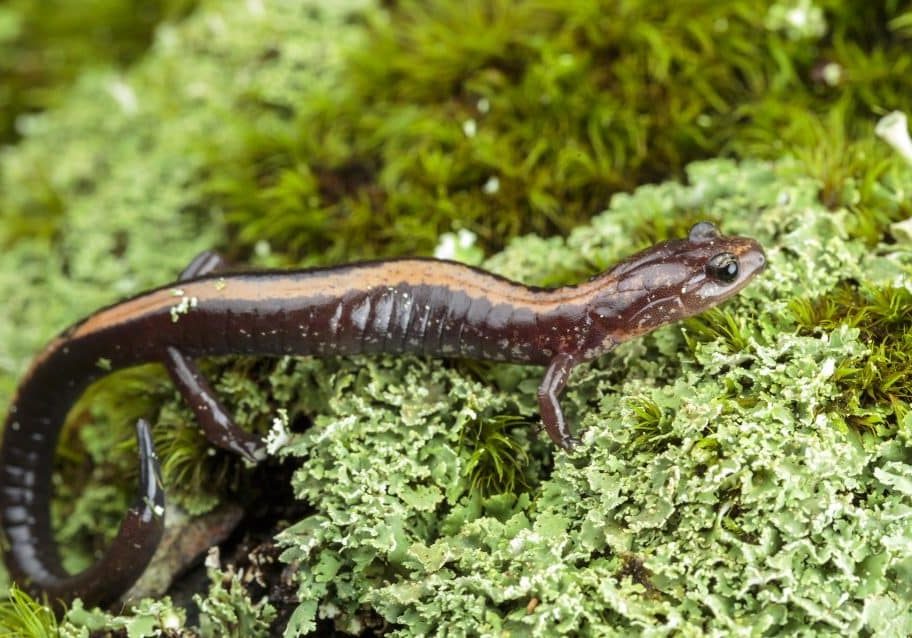
The Shenandoah Salamander
The Shenandoah salamander is a woodland salamander, which has adapted to life at higher elevations away from water. This sparkling rarity lives among the dry leaves, cracked logs, and stony hillocks on the highest peaks of Shenandoah National Park.

Leave a comment
Your email address will not be published. Required fields are marked *
Leave a Comment