

Appalachian Coalfield Delegation Travels to Colombian Coal Region
(Part 1 of a 3 part series)
Story by Sandra Diaz
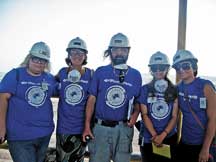
Sandra Diaz of Appalachian Voices, far right, stands with the Witness for Peace delegation at the El Cerrojon mine complex.
This June, I was fortunate enough to visit the Colombian coalfields with a delegation of people from across the U.S., including citizens from the Kentucky coalfields. The trip was organized by Witness for Peace, a group which sends delegations to bear witness and support communities working against corporate and government abuses.
The delegation spent time seeing the area’s natural beauty and the unnatural destruction caused by mining. We also spent several days visiting communities directly impacted by the two biggest coal mining complexes in Colombia, El Cerrejon, owned by a consortium of multinationals, and El Descanso, owned by Drummond, an Alabama-based company. Witness for Peace has been working with the communities affected by El Cerrejon for a while, and have recently started to do outreach in La Loma, the community affected by Drummond.
Listening to the community members in the Colombian coalfields tell their stories, I sensed a similar tie to the land as there is in communities in the Appalachian coalfields. However, the communities located near the Colombian coal mines are fighting to be relocated, while Appalachian communities are fighting to stay on their land. This is because of the different way mineral rights are governed.
In Colombia, mineral rights are government-owned, no matter who owns the land. In an action called expropriation, the government can forcibly take land away for corporate interest. The town of Tabaco, a trading hub for surrounding villages, was forcibly and violently razed in August 2001 for the Cerrejon mine expansion. With that, the coal companies had destroyed an important economic center and shut the remaining communities out of the land they have traditionally used for hunting and fishing, forcing them to ask for relocation.
The negotiation process has been going on for several years, with little progress until recently.
El Cerrejon has hired a new Manager of Social Responsibility, Paul Warner, who has specialized in community engagement in other land relocation scenarios. We were able to meet with Mr. Warner and go on a tour of the mine.
It seems that Cerrejon has been paying strict attention to things like reclamation and wildlife services, but not as much to the rights of the indigenous and Afro-Colombian communities. Hopefully, Paul Warner will change that, but it is still too early to tell.
The connections between Colombian and Central Appalachian coal-impacted communities was striking. One McRoberts, Ky. resident on the tour was particularly affected. “I went fully expecting to see all these differences between my coal community and the Colombian coal communities,” said Willa Johnson, “instead I found more similarities then I ever expected. Coming back home I realized how much of a human rights issue this is, and that we need to act now to protect our people.”
Related Articles
Latest News
More Stories

Halloween Approaches, and Night School Is in Session
The House of Art in Bluefield, West Virginia, looks like a haunted tower, making it the perfect location for its sixth annual haunt event: Night School. The Night School will be open every Friday and Saturday night through Oct. 31.
‘The Most Perfect Act of Love’
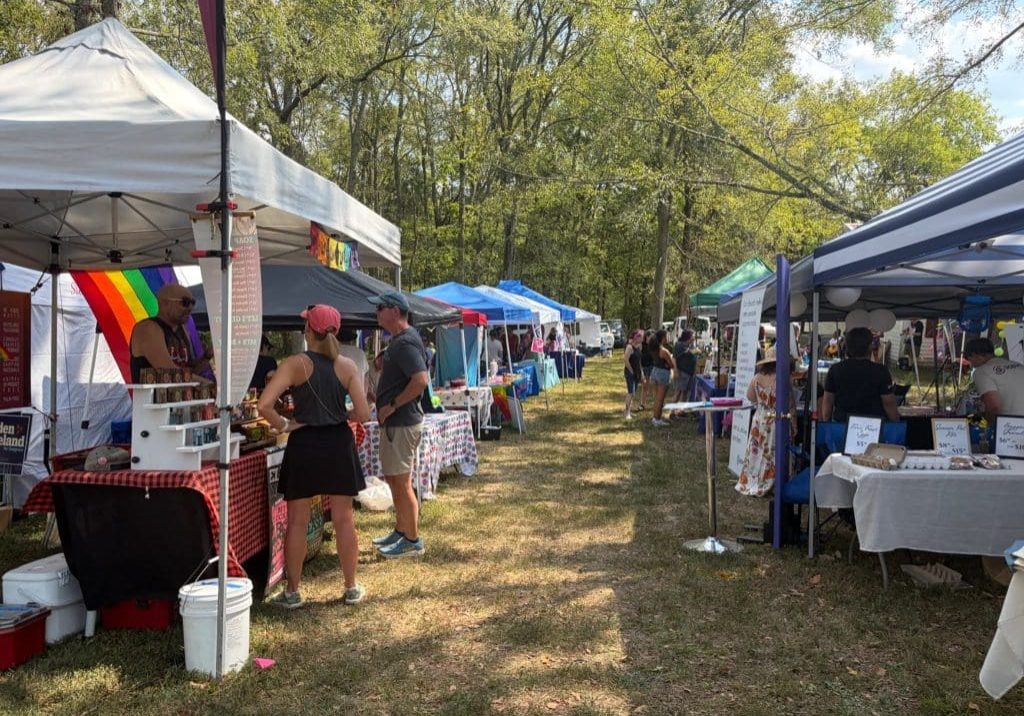
After losing its rural pride celebration, hundreds of people attended the second annual Affirming Sumner Pride celebration on a 24-acre farm dubbed “Fruity Farm” in Bethpage, Sumner County, Tennessee.
Signs of Life
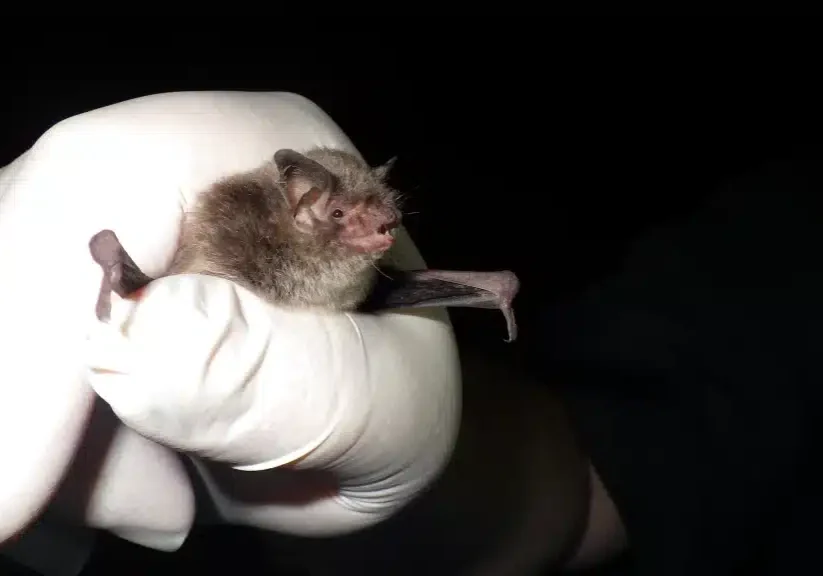
In the Nantahala National Forest, a team of biologists spotted Indiana bats, an endangered species that hasn’t been seen in North Carolina for the last 11 years.

‘First Line of Defense’
During Hurricane Helene and its aftermath, rural fire departments and other first responder hubs played critical roles in keeping their communities safe, even without power and cut off from outside support for days or weeks after the storm. Two years later, plenty of work remains to ensure these hubs have the resources they need to operate day to day and be ready when emergencies or natural disasters strike.

The Rocky Road — and Bridge — to Recovery
Hurricane Helene is estimated to have damaged nearly 7,000 private roads and bridges in Western North Carolina. Two years later, many restoration projects are complete, but the journey hasn’t been easy — and isn’t over for others.
After 20 Years, Letcher County Prison Proposal Is Still Alive, Though Obstacles Remain
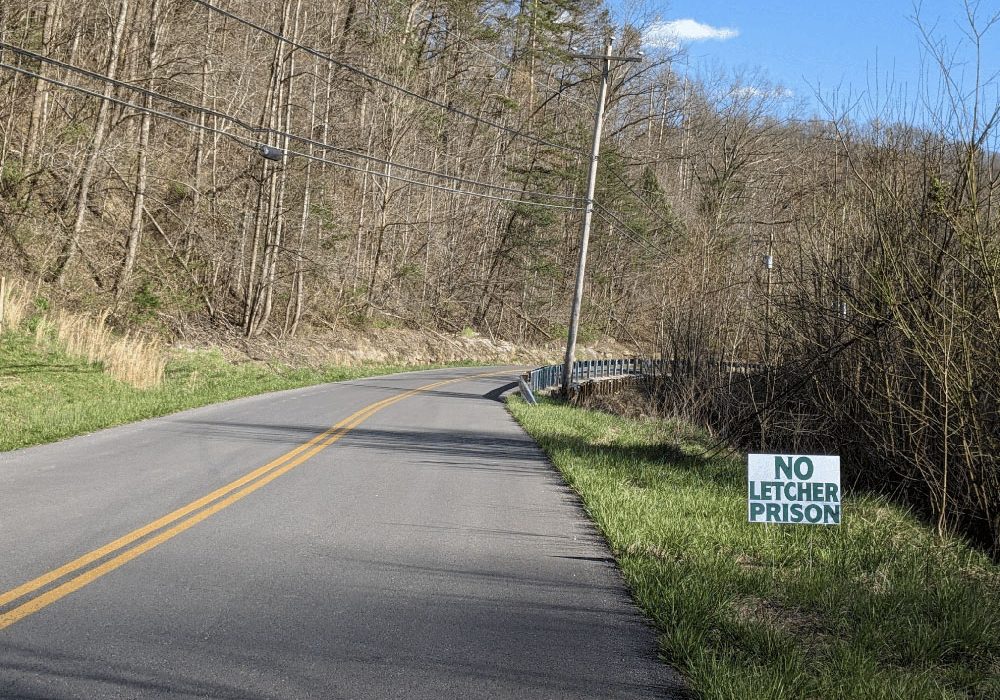
A $605 million proposal for a federal prison on a former strip mine site in Letcher County, Kentucky, championed by U.S. Rep. Hal Rogers, refuses to die, despite local opposition, a lack of support from the executive branch and numerous other obstacles.

Leave a comment
Your email address will not be published. Required fields are marked *
Leave a Comment