

Photovoltaic Prospects Are Sunny
Story by Bill Kovarik
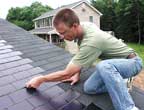
Brian Walsh installs photovoltaic panels across the state of Virginia. Photo by Pam Owen
The phones are ringing off the hook at Solar Connexion in Blacksburg, Va., but Brian Walsh is out in the field installing photovoltaic panels.
Keeping up with the rising number of inquiries is a dilemma that Brian Walsh faces as he thinks about how to expand his solar photovoltaic business.
“We are now in the process of figuring out how we are going to grow,” Walsh said. “I feel we are only taking fraction of potential that’s there.”
Established 20 years ago, the solar business has seen a steady rise over the years, to the point where a one-man part-time business has grown to include several full-time installers.
At some point, the business will need more of a front-end office and educational effort. And that requires investment capital, a rare commodity in a recession economy.
The time between an initial contact and final installation tends to be longer in the solar business than other kinds of enterprises, Walsh notes. Usually, there is about eight months of lag time while customers consider their options.
“It’s a long-term term investment no matter how you break it down,” Walsh says. “If you put realistic factors into the capital investment, you can justify a 20 to 25 year payback [before tax incentives],” he said. Yet many systems last from 80 to 100 years. “You could say it’s an heirloom purchase,” Walsh says.
The cost of a residential photovoltaic array, without backup batteries, is about $7,000 to $11,000 per installed kilowatt, he said.
A lot of people will buy part of a system and expand it over the years, Walsh says. “Of course, the smart thing is to spend effort and money to make a home more efficient and use less electricity in the first place.”
For more information, visit www.moonlightsolar.com.
Related Articles
Latest News
More Stories
Signs of Life
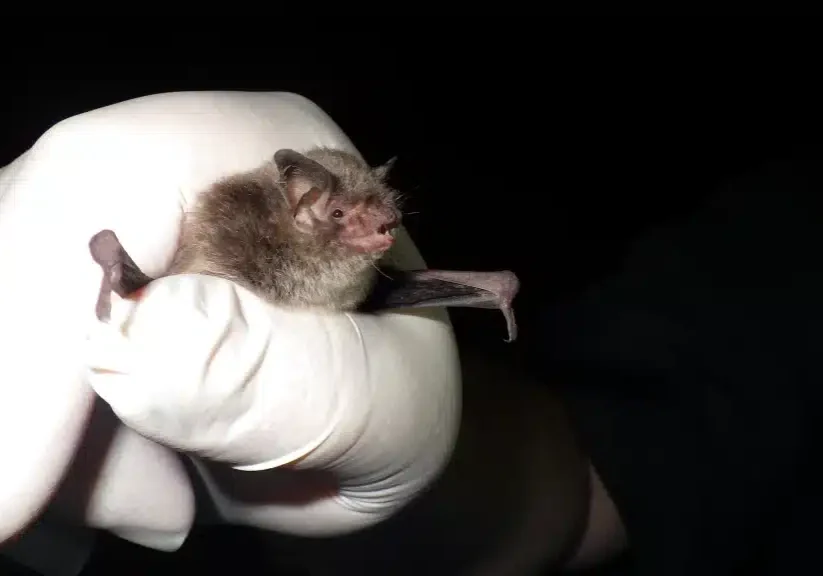
In the Nantahala National Forest, a team of biologists spotted Indiana bats, an endangered species that hasn’t been seen in North Carolina for the last 11 years.
‘First Line of Defense’
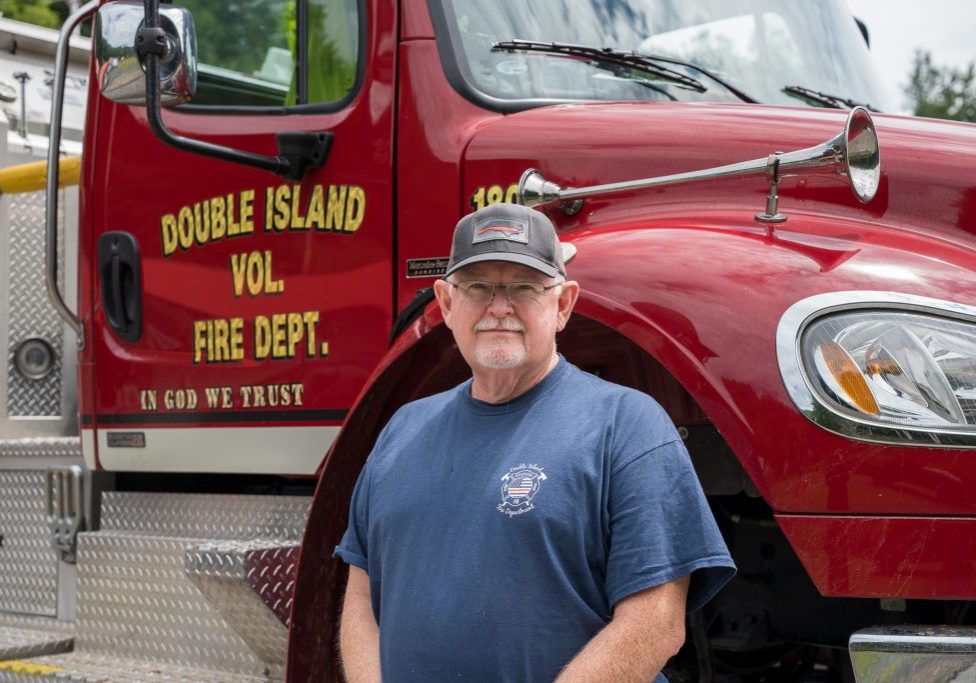
During Hurricane Helene and its aftermath, rural fire departments and other first responder hubs played critical roles in keeping their communities safe, even without power and cut off from outside support for days or weeks after the storm. Two years later, plenty of work remains to ensure these hubs have the resources they need to operate day to day and be ready when emergencies or natural disasters strike.
The Rocky Road — and Bridge — to Recovery
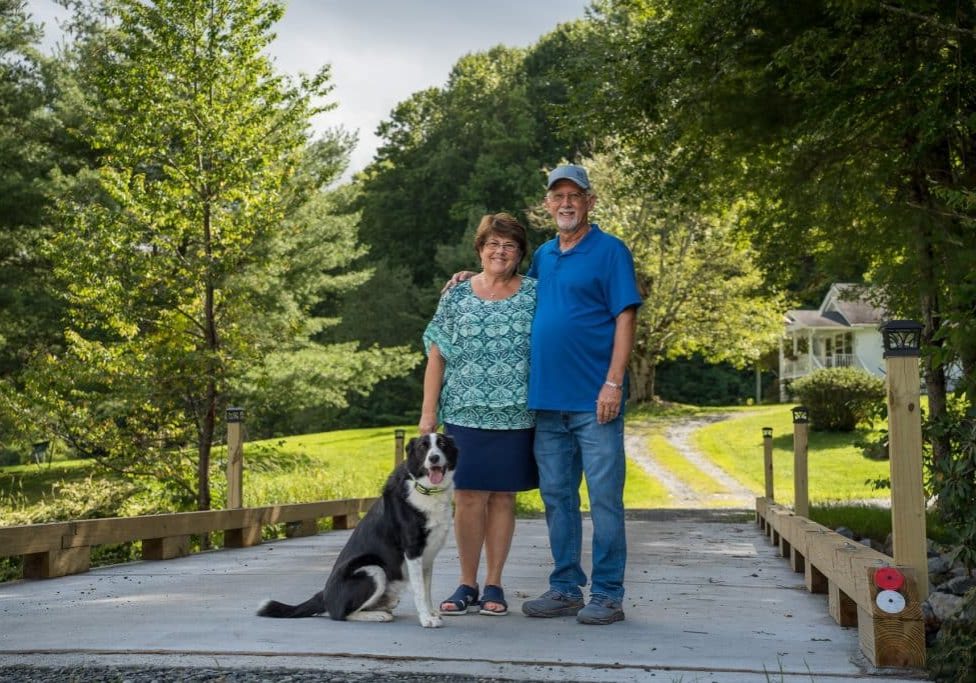
Hurricane Helene is estimated to have damaged nearly 7,000 private roads and bridges in Western North Carolina. Two years later, many restoration projects are complete, but the journey hasn’t been easy — and isn’t over for others.
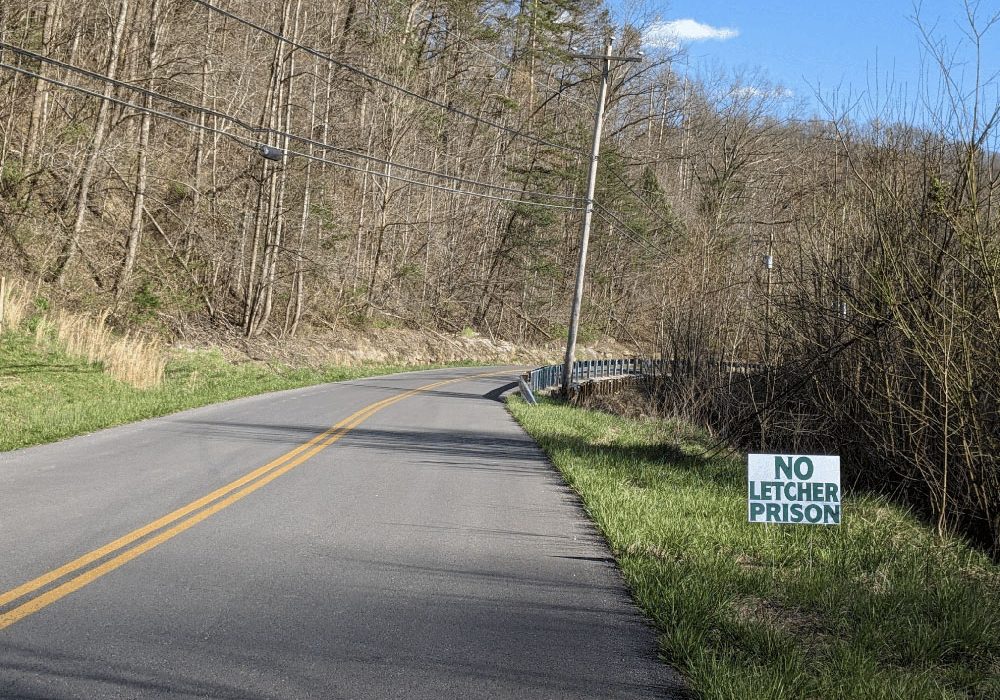
After 20 Years, Letcher County Prison Proposal Is Still Alive, Though Obstacles Remain
A $605 million proposal for a federal prison on a former strip mine site in Letcher County, Kentucky, championed by U.S. Rep. Hal Rogers, refuses to die, despite local opposition, a lack of support from the executive branch and numerous other obstacles.
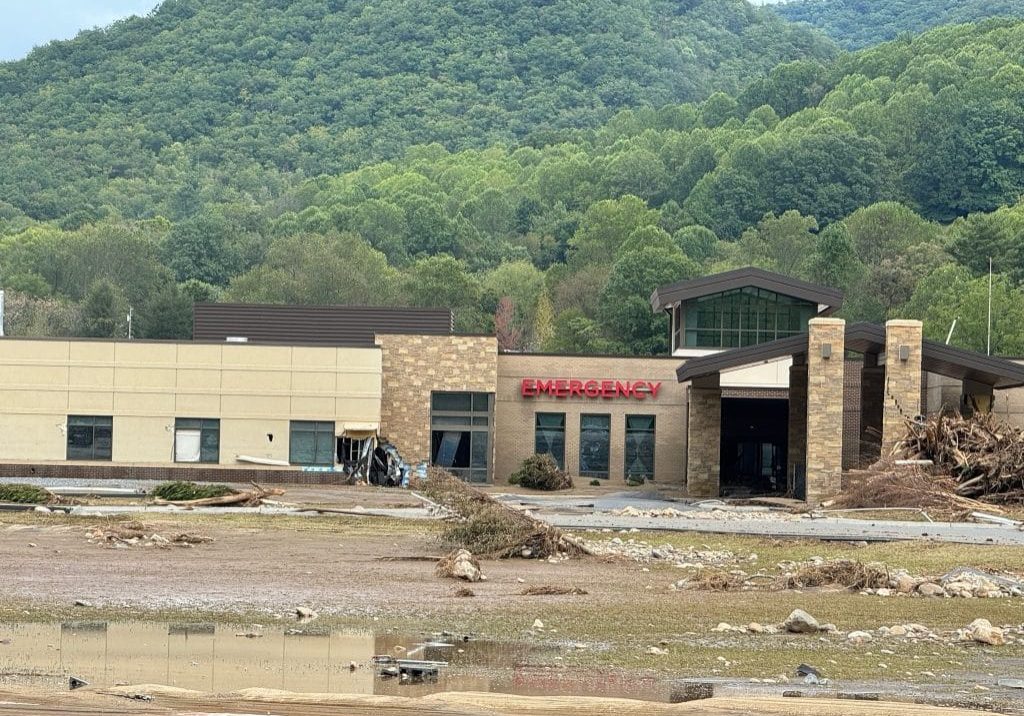
The Washout and Rebuild
For nearly two years, residents of Unicoi County, Tennessee, have had to make do without a hospital after Hurricane Helene destroyed the rural hospital. Ballad Health, which owns the hospital, broke ground on a new location — in another floodplain — in August 2026.

The Shenandoah Salamander
The Shenandoah salamander is a woodland salamander, which has adapted to life at higher elevations away from water. This sparkling rarity lives among the dry leaves, cracked logs, and stony hillocks on the highest peaks of Shenandoah National Park.

Leave a comment
Your email address will not be published. Required fields are marked *
Leave a Comment