

Appalachian Bookshelf
These four picks for Appalachian literature and history represent an astonishing depth and variety. For more, see www.appvoices.org/books.
• Field Guide to Medicinal Wild Plants, by Bradford Angier, Stackpole Books (2008). This revised edition brings back a 30-year-old classic field guide with the help of biologist David K. Foster. In the book, for instance, you will find historical information about how elderberry was used as a liniment by the Iroquois Indians, or how jewelweed has been used for generations to control the itching of poison ivy.
• Healing Appalachia: Sustainable Living Through Appropriate Technology, by Al Fritsch and Paul Gallimore, University Press of Kentucky (2007). A first rate introduction to solar, micro-hydro and wind energy for the region, along with non-timber forest products and “wildcrafting.” The book is the product of years of work and experimentation at historic Berea College in Kentucky.
• My Appalachia: A memoir, by Sidney Saylor Farr, University of Kentucky Press (2007). A memoir by a “godmother” of Appalachian literature, Farr’s book describes coping with poverty as a young girl during the Depression by using techniques such as painting her fingernails with bloodroot. The Appalachian family story telling tradition is part of the legacy that Farr cherishes.
• The Hawks Nest Tunnel, An Unabridged History, by Patricia Spangler, Wythe North publishing, Proctorville OH (2008). Tracing the events and documents behind this forgotten and shameful episode in Appalachia’s history, Spangler gives us the tools to understand how hundreds of black miners died of silicosis in the tunnel after Union Carbide contractors refused to use wet drilling techniques or buy protective masks. Poetry and Congressional testimony is reproduced verbatim.
Related Articles
Latest News
More Stories
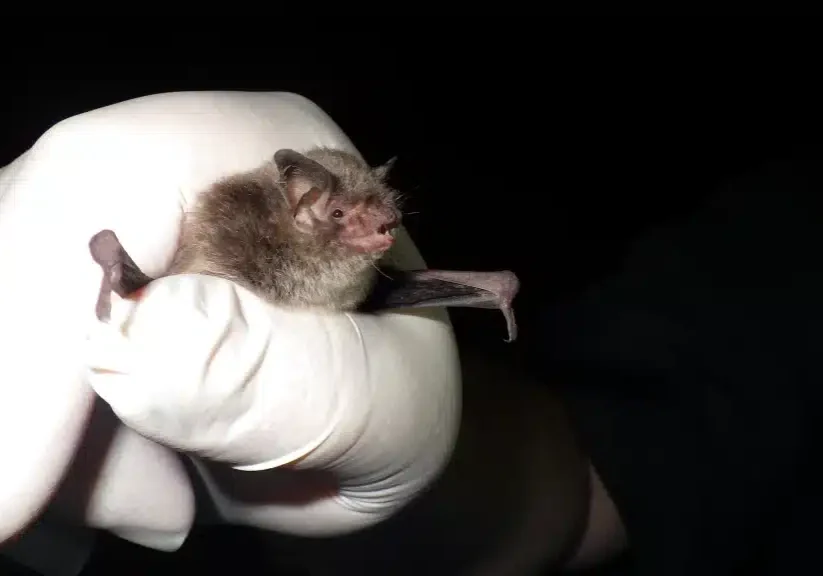
Signs of Life
In the Nantahala National Forest, a team of biologists spotted Indiana bats, an endangered species that hasn’t been seen in North Carolina for the last 11 years.

‘First Line of Defense’
During Hurricane Helene and its aftermath, rural fire departments and other first responder hubs played critical roles in keeping their communities safe, even without power and cut off from outside support for days or weeks after the storm. Two years later, plenty of work remains to ensure these hubs have the resources they need to operate day to day and be ready when emergencies or natural disasters strike.

The Rocky Road — and Bridge — to Recovery
Hurricane Helene is estimated to have damaged nearly 7,000 private roads and bridges in Western North Carolina. Two years later, many restoration projects are complete, but the journey hasn’t been easy — and isn’t over for others.
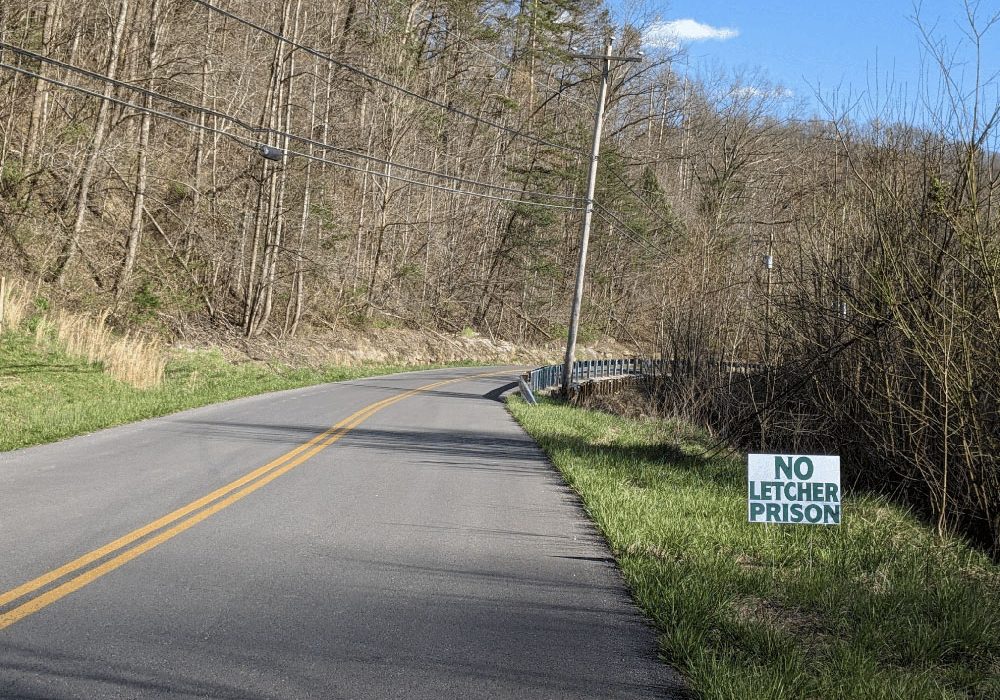
After 20 Years, Letcher County Prison Proposal Is Still Alive, Though Obstacles Remain
A $605 million proposal for a federal prison on a former strip mine site in Letcher County, Kentucky, championed by U.S. Rep. Hal Rogers, refuses to die, despite local opposition, a lack of support from the executive branch and numerous other obstacles.
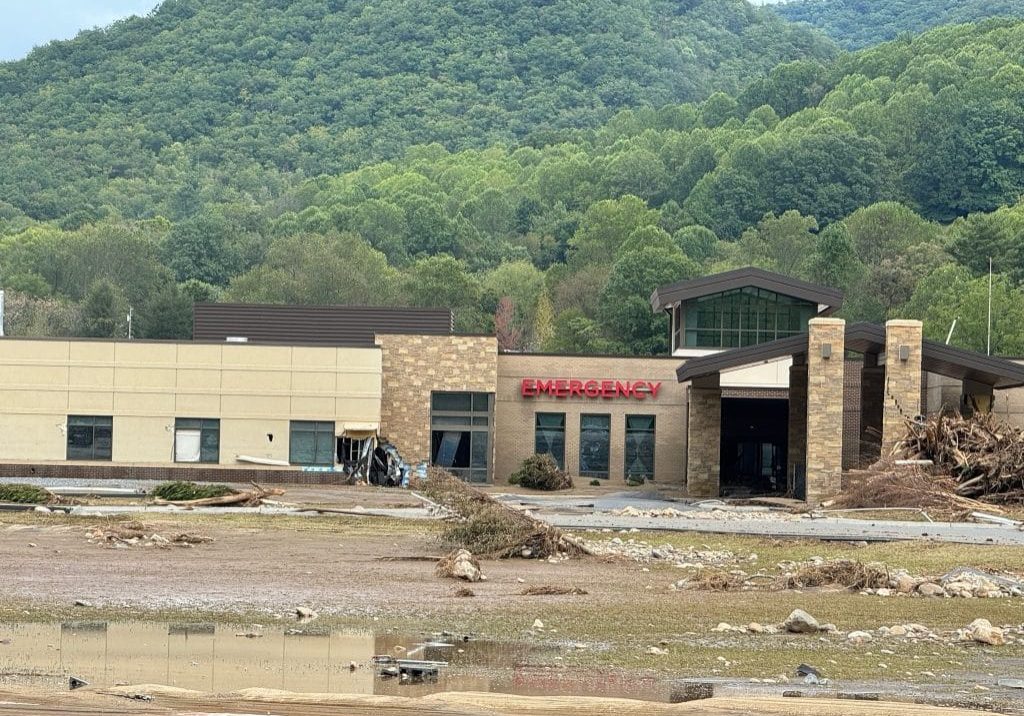
The Washout and Rebuild
For nearly two years, residents of Unicoi County, Tennessee, have had to make do without a hospital after Hurricane Helene destroyed the rural hospital. Ballad Health, which owns the hospital, broke ground on a new location — in another floodplain — in August 2026.

The Shenandoah Salamander
The Shenandoah salamander is a woodland salamander, which has adapted to life at higher elevations away from water. This sparkling rarity lives among the dry leaves, cracked logs, and stony hillocks on the highest peaks of Shenandoah National Park.

Leave a comment
Your email address will not be published. Required fields are marked *
Leave a Comment