

Appalachia Cannot Become a Sacrifice Zone
By Wendell Berry
Wendell Berry is a world-renowned author of 25 books of poems, 16 volumes of essays, and 11 novels and short story collections. He is widely known as the conscience of Appalachia. These remarks were made at the Society of Environmental Journalists in Roanoke, Va. on Oct. 19, 2008
There is a phrase for the Appalachian coal fields – National Sacrifice Area – and with all my heart as a writer, I hate that phrase because it slides over so much, and yet it keeps coming back to me as the truth, as tacitly accepted and agreed upon as a fact, that we have agreed to sacrifice this land and these people.
One of the earliest (groups) opposed to strip mining was To Save the Land and the People, and the implicit understanding at that time, of course, was that you can’t save one without saving the other, and if you make up your mind to sacrifice one you have to sacrifice the other.
So this is agreed to, and it’s all instituted and simplified in that little button you push, and it’s awfully hard to keep reminding yourself that when you push that button you’re authorizing mountaintop removal mining.
I remember years ago the coal industry ran a big advertisement with Christmas trees and the legend in it said “We Dig Coal to Light Your Tree,” and that stopped – I never allowed an electrified Christmas tree in my house again. So every Christmas, our tree is lighted by the ambient light of the room, and always when I look at it, I remember…
I think that mountaintop removal mining is the ecological equivalent of genocide. It’s that bad. It’s that big a sin. It’s permanent damage to the world for the sake of the briefest possible utility. Coal is of use, you know, only in the moment that it’s on fire, whereas the forests and the soil that are destroyed to get it out are, granted proper use, a permanent good to us and everyone else in human creation. It’s a little short of human genocide, except indirectly, but it is based on a decision made, and connived in, by the leaders of these states 100 years ago, and the leaders of the country, that the people of the mountains, pretty much along with rural people everywhere, are dispensable, and this has resulted not only in the destruction of a lot of places but also in the virtual annihilation of rural cultures, which were at least, in potential, and sometimes very close in actuality, to authentic cultures of husbandry.
For more information see www.appvoices.org/future
Related Articles
Latest News
More Stories

Halloween Approaches, and Night School Is in Session
The House of Art in Bluefield, West Virginia, looks like a haunted tower, making it the perfect location for its sixth annual haunt event: Night School. The Night School will be open every Friday and Saturday night through Oct. 31.
‘The Most Perfect Act of Love’
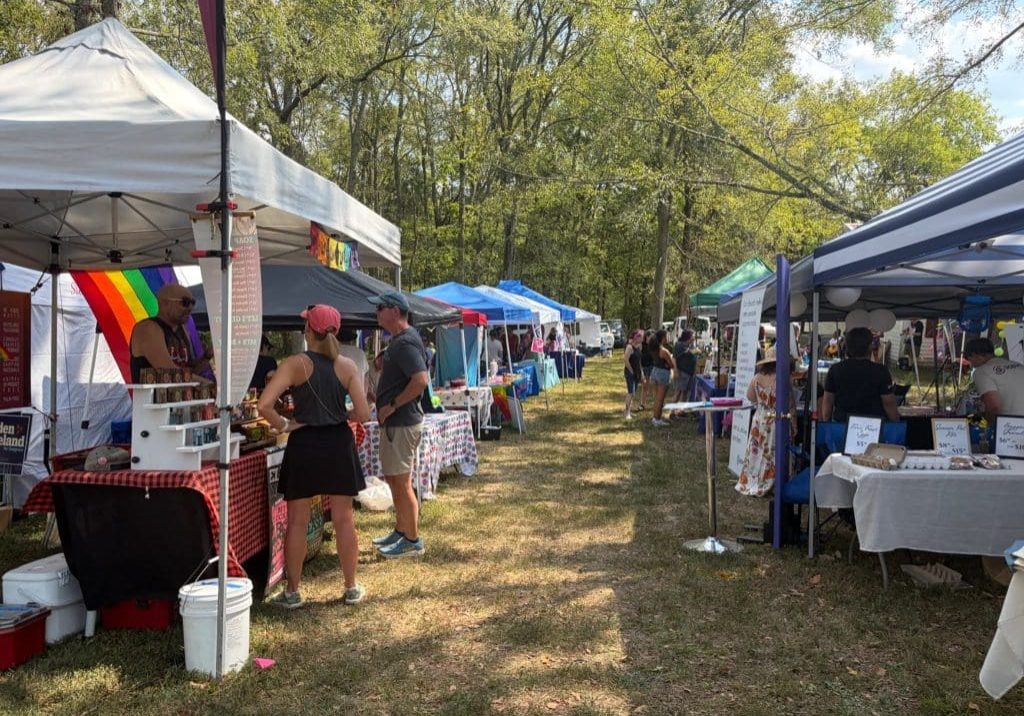
After losing its rural pride celebration, hundreds of people attended the second annual Affirming Sumner Pride celebration on a 24-acre farm dubbed “Fruity Farm” in Bethpage, Sumner County, Tennessee.
Signs of Life
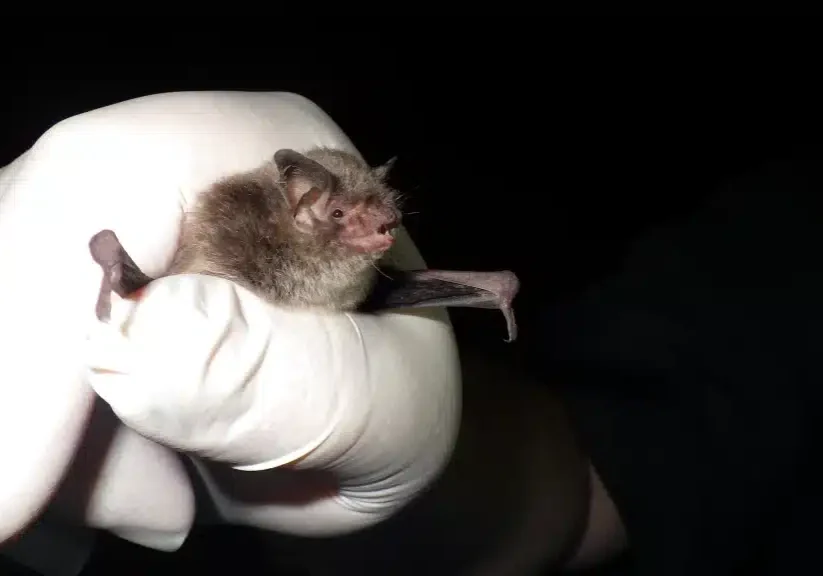
In the Nantahala National Forest, a team of biologists spotted Indiana bats, an endangered species that hasn’t been seen in North Carolina for the last 11 years.

‘First Line of Defense’
During Hurricane Helene and its aftermath, rural fire departments and other first responder hubs played critical roles in keeping their communities safe, even without power and cut off from outside support for days or weeks after the storm. Two years later, plenty of work remains to ensure these hubs have the resources they need to operate day to day and be ready when emergencies or natural disasters strike.

The Rocky Road — and Bridge — to Recovery
Hurricane Helene is estimated to have damaged nearly 7,000 private roads and bridges in Western North Carolina. Two years later, many restoration projects are complete, but the journey hasn’t been easy — and isn’t over for others.
After 20 Years, Letcher County Prison Proposal Is Still Alive, Though Obstacles Remain
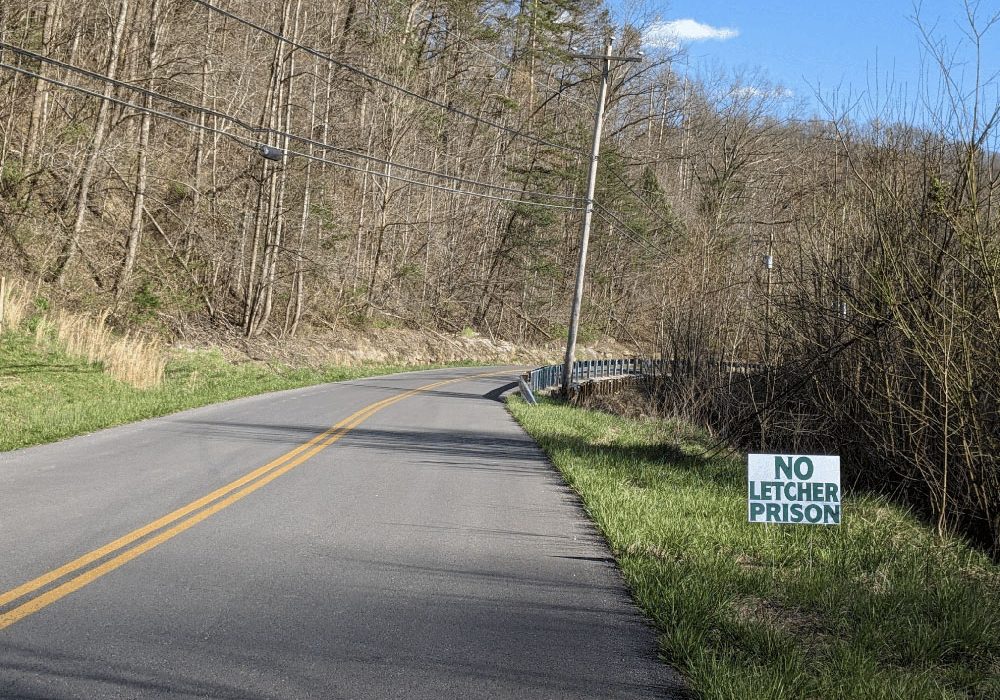
A $605 million proposal for a federal prison on a former strip mine site in Letcher County, Kentucky, championed by U.S. Rep. Hal Rogers, refuses to die, despite local opposition, a lack of support from the executive branch and numerous other obstacles.

Leave a comment
Your email address will not be published. Required fields are marked *
Leave a Comment