

Editorial
Carthage and Kentucky
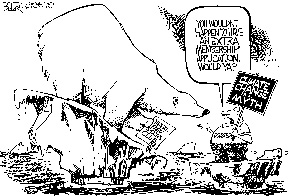
When Rome destroyed Carthage in 146 BC, do you suppose they tried to sell their citizens on the virtues of salty land? Did they tell them that the salt-laden fields of Carthage were just brimming with opportunities for new hospitals and businesses?
If that sounds absurd, consider this bit of rhetoric from Kentucky:
“A lot of people look at mountain top removal [mining] as a negative, but I see it as a positive,” said Kentucky Lieutenant Governor Daniel Mongiardo on July 31. “We need to stop apologizing for coal … I want us to promote mountaintop removal, because we need flat land. We can not have economic expansion without places to do things and part of mountain top removal is for places like hospitals, airports and different type of merchants.”
Mongiardo goes on to say that he also wants to promote tourism in Eastern Kentucky, which is “one of the most beautiful areas in this country.”
Any thinking person would recognize that mountaintop removal mining is, in effect, a Carthaginian solution to the energy problem. The devastation from mountaintop removal mining is so complete that the land will never be useful to future generations. Water from MTR land is so poisoned by selenium and other heavy metals that it is effectively destroyed as a resource. The stability of the land is so deeply undermined that structures foolishly built on MTR land soon have broken foundations.
The devastation could not be more complete if the coal industry scattered tons of salt over the “reclaimed” mountaintop removal sites, leaving them the way the Romans left Carthage.
The coal industry and some business interests may argue that the sacrifice is profitable or even necessary, but nobody in their right minds would argue that it is a thing of beauty.
It only goes to show that you just can’t have it both ways. You can’t have beautiful mountains and mountaintop removal mining. You can’t have ecotourism and destruction side by side. You can’t have short-term exploitation and long-term employment. You can’t scatter salt over Carthage and then sell the land in Rome.
Related Articles
Latest News
More Stories
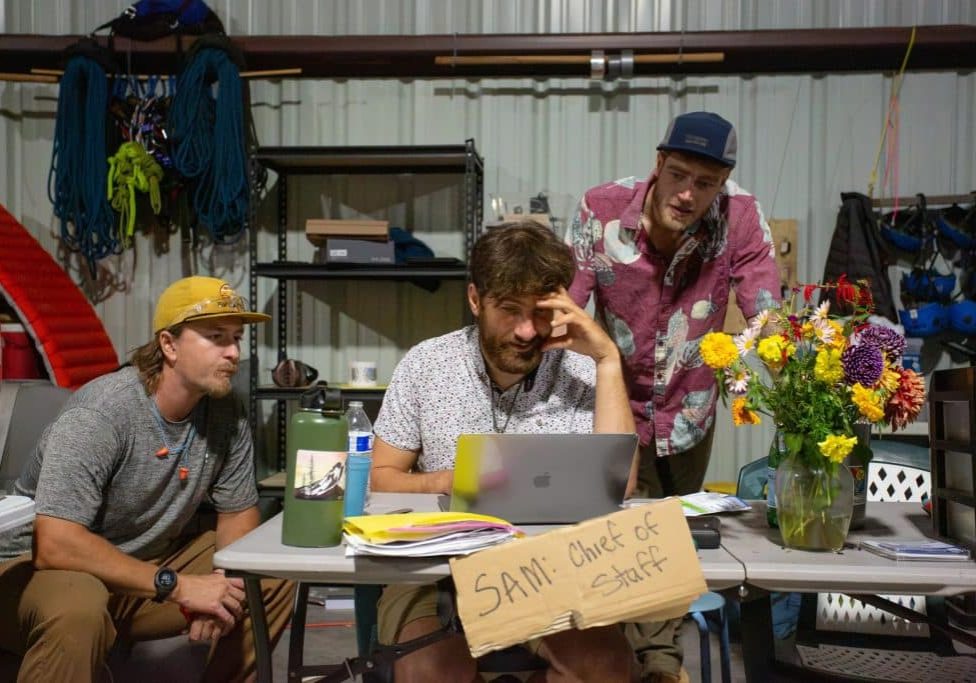
Neighbors Help Neighbors
A photo essay that celebrates the volunteer spirit of the grassroots group Hurricane Helene WNC and speaks to the resourcefulness, collaboration and hard work embodied by thousands and thousands of volunteers, first responders and aid workers across the region after Hurricane Helene.

Halloween Approaches, and Night School Is in Session
The House of Art in Bluefield, West Virginia, looks like a haunted tower, making it the perfect location for its sixth annual haunt event: Night School. The Night School will be open every Friday and Saturday night through Oct. 31.
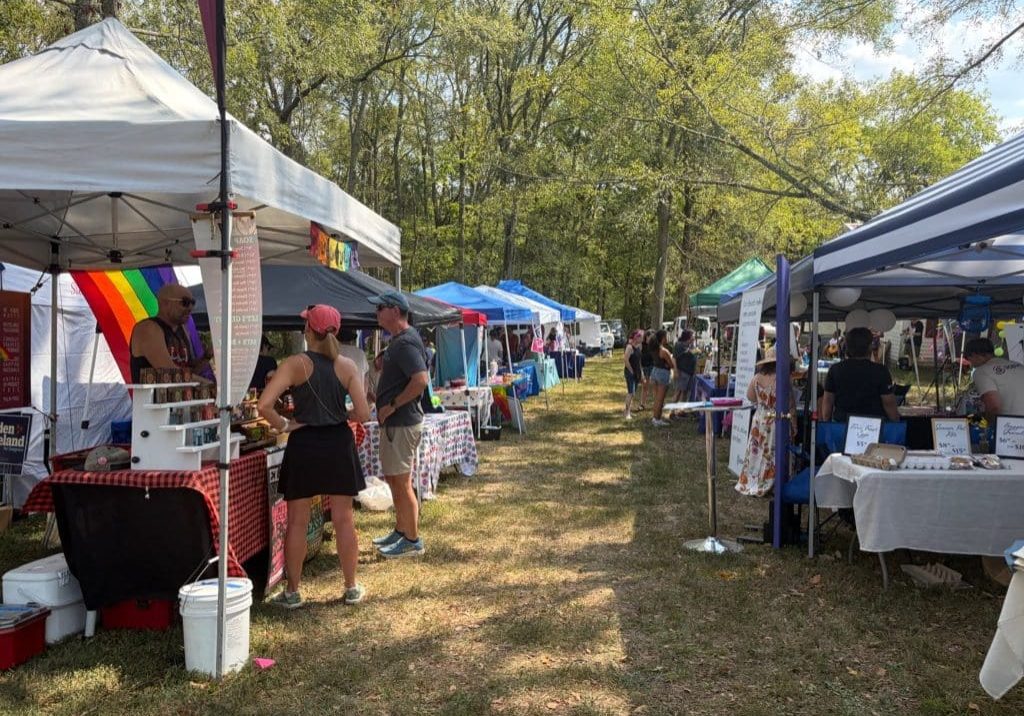
‘The Most Perfect Act of Love’
Hundreds of people attended the second annual Affirming Sumner Pride celebration on a 24-acre farm dubbed “Fruity Farm” in Bethpage, Sumner County, Tennessee.

Signs of Life: Endangered Bats Found in Nantahala for First Time in More Than a Decade
In the Nantahala National Forest, a team of biologists spotted Indiana bats, an endangered species that hasn’t been seen in North Carolina for the last 11 years.

‘First Line of Defense’
During Hurricane Helene and its aftermath, rural fire departments and other first responder hubs played critical roles in keeping their communities safe, even without power and cut off from outside support for days or weeks after the storm. Two years later, plenty of work remains to ensure these hubs have the resources they need to operate day to day and be ready when emergencies or natural disasters strike.
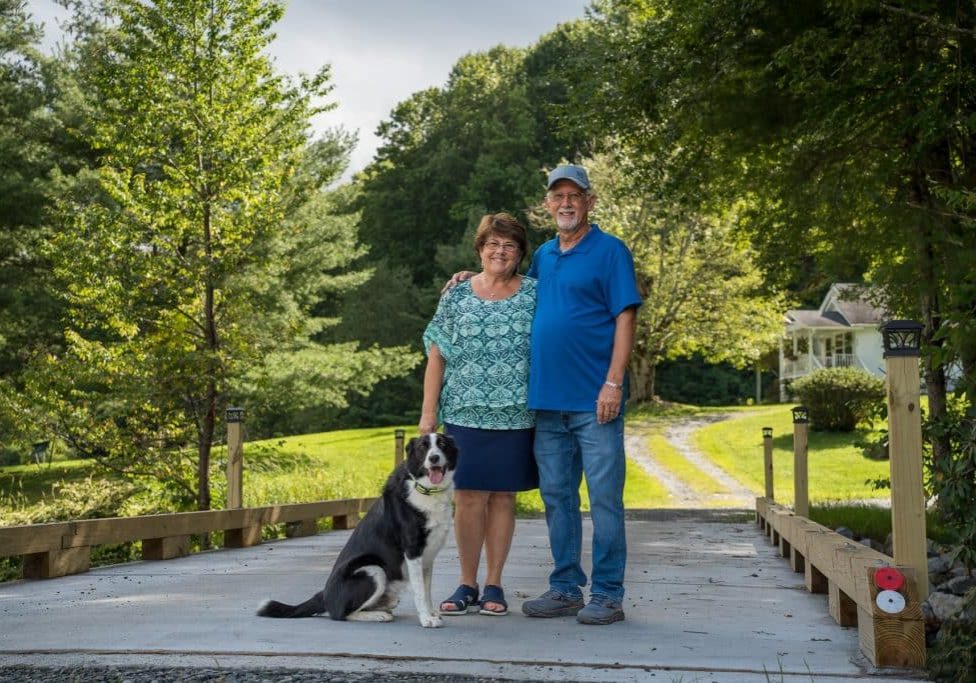
The Rocky Road — and Bridge — to Recovery
Hurricane Helene is estimated to have damaged nearly 7,000 private roads and bridges in Western North Carolina. Two years later, many restoration projects are complete, but the journey hasn’t been easy — and isn’t over for others.

Leave a comment
Your email address will not be published. Required fields are marked *
Leave a Comment