

Editorials
Fighting for their Future
By the van load, by bus, on foot, they came to Richmond Virginia to confront Dominion Power, one of the last great bastions of the old fossil regime. Under a gray sky they unfurled the mile-long petition, and shared their laughter, their music and their fears for the future. They were devout and secular, Republicans and Democrats, hopeful and pessimistic. Many were mature but, not surprisingly, most are quite young.
From Dominion’s 21st floor, utility executives looked out on the crowd and shook their heads in disbelief.
Dominion had staked its future on programs that would, as it said in 2004, “keep coal use viable.” The Virginia Hybrid Energy Center, planned for Wise County, would demonstrate high tech coal combustion, carbon capture and long term sequestration.
Now in 2008, Dominion has cut its losses, lowered its vision and abandoned plans for “clean coal” projects. The Wise County power plant is nothing more than another new coal fired power plant. No research park, no investments in “keeping coal use viable,” no excuses. The party is over.
The demonstrators understand what is at stake, but Virginia utility executives seem bewildered. They need to come down from that carbon tower and start taking conservation and renewable energy seriously.
911 for soal sludge
When it rains in Appalachia, there is fear. A heavy rain can trigger a coal sludge impoundment dam failure.
The dam break at Buffalo Creek in February, 1972, killed 125 people. And that dam held only a fraction of the amount of coal sludge that recently built dams now hold. These clay and rock behemoths are riddled with flaws and leaks. Each one of the 600 sludge dams is a disaster waiting to happen.
While its not a solution, one thing that can be done right away is to set up a “reverse 911” system that would automatically call and warn downstream residents in case a dam breaks. People along the Coal River have been advocating such a system for years.
The West Virginia Board of Coal Mine Health and Safety may soon be considering whether such systems should be mandatory.
We think it’s about time. It won’t avert a dam failure, but it could help people avoid tragedy.
Gas Attack in Appalachia
The good news — and the bad news — is that Appalachia has a LOT of natural gas that had been overlooked until recently. The good news means that it will be easier to replace energy from mountaintop removal mining.
The bad news means that we have a new type of environmental problem on the horizon, moving in, as one scientist said, like a freight train in the night.
Sloppy environmental enforcement has been a huge problem in Virginia’s relatively small coal bed methane fields. Imagine that problem magnified as thousands of new gas wells and thousands of new miles of pipeline are built across Appalachia.
All energy development, left only to the invisible hand of the market, has damaging side effects. The proper role of government is to provide strong market guidance to protect both environment and national security. There is no excuse for lax environmental enforcement. At the least, Virginia needs to tax the gas companies to pay for better environmental enforcement.
Related Articles
Latest News
More Stories

Signs of Life
In the Nantahala National Forest, a team of biologists spotted Indiana bats, an endangered species that hasn’t been seen in North Carolina for the last 11 years.
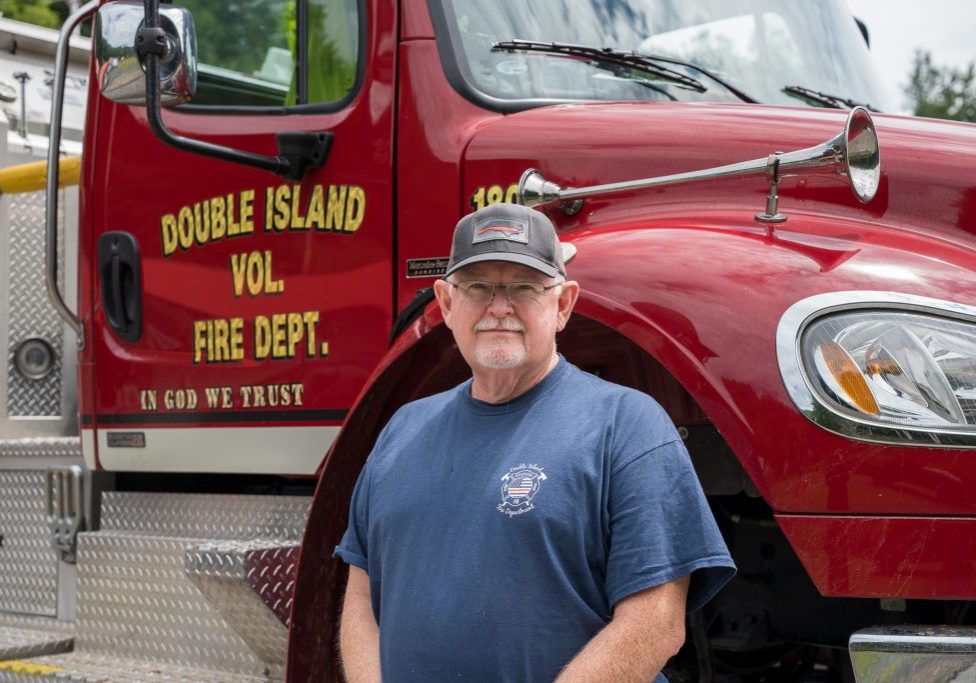
‘First Line of Defense’
During Hurricane Helene and its aftermath, rural fire departments and other first responder hubs played critical roles in keeping their communities safe, even without power and cut off from outside support for days or weeks after the storm. Two years later, plenty of work remains to ensure these hubs have the resources they need to operate day to day and be ready when emergencies or natural disasters strike.
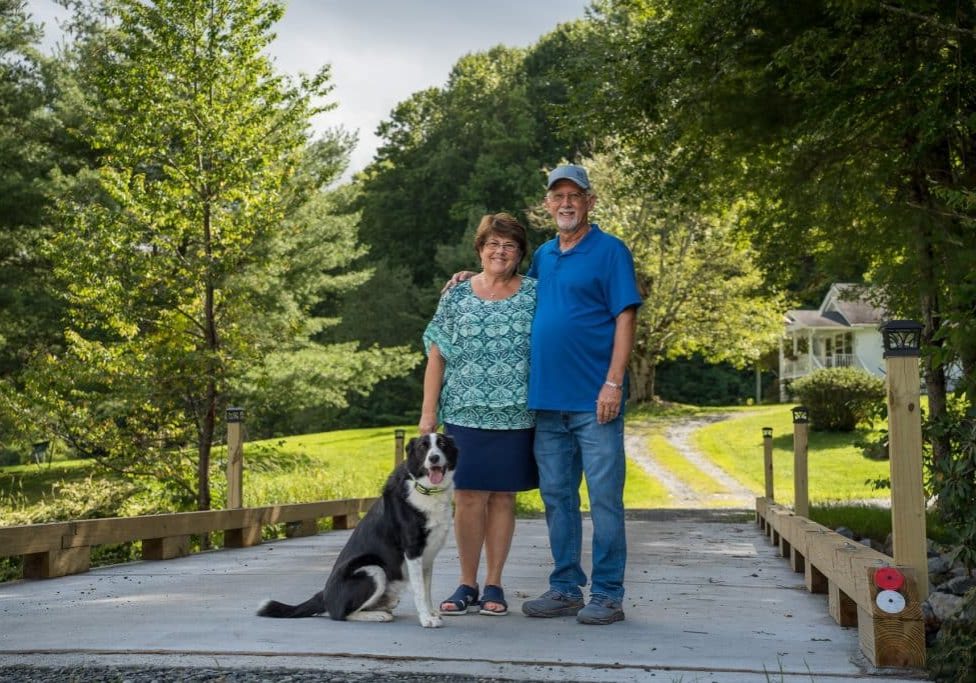
The Rocky Road — and Bridge — to Recovery
Hurricane Helene is estimated to have damaged nearly 7,000 private roads and bridges in Western North Carolina. Two years later, many restoration projects are complete, but the journey hasn’t been easy — and isn’t over for others.
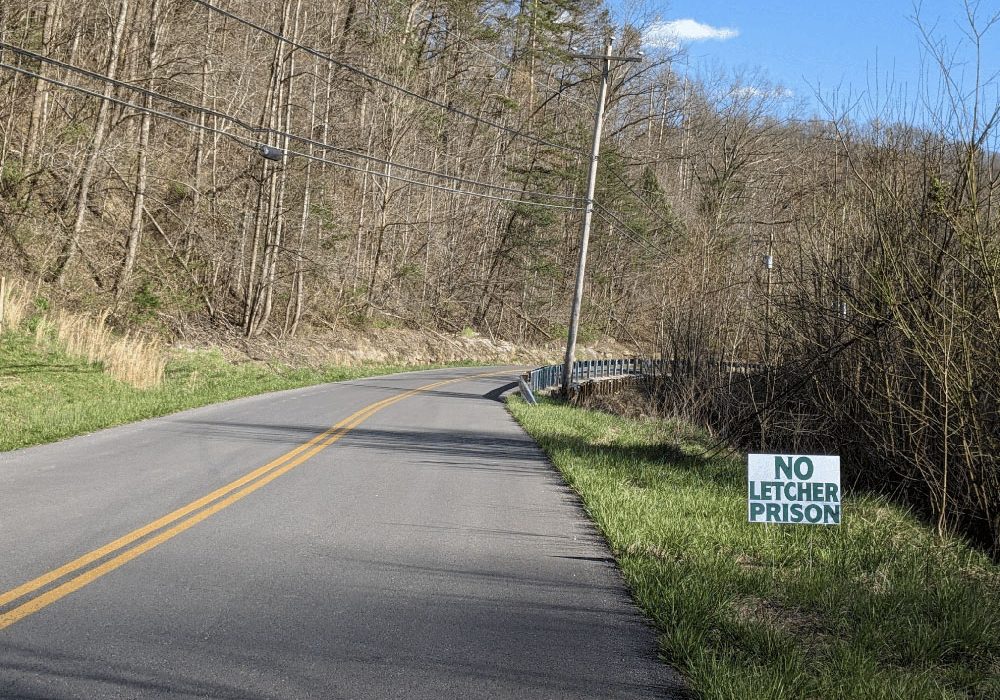
After 20 Years, Letcher County Prison Proposal Is Still Alive, Though Obstacles Remain
A $605 million proposal for a federal prison on a former strip mine site in Letcher County, Kentucky, championed by U.S. Rep. Hal Rogers, refuses to die, despite local opposition, a lack of support from the executive branch and numerous other obstacles.
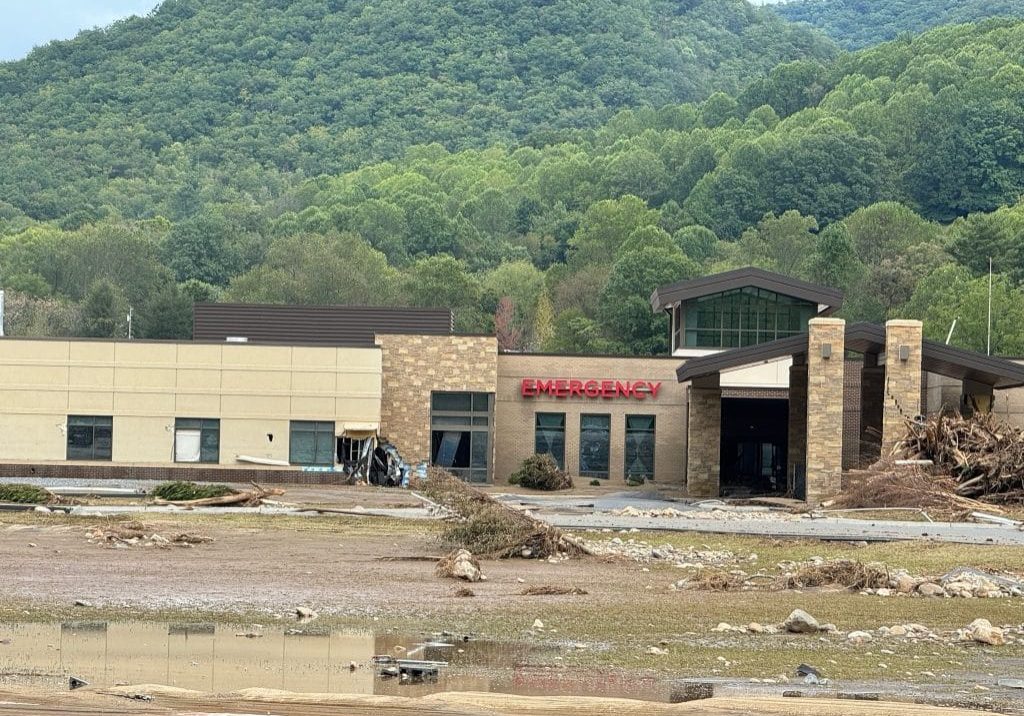
The Washout and Rebuild
For nearly two years, residents of Unicoi County, Tennessee, have had to make do without a hospital after Hurricane Helene destroyed the rural hospital. Ballad Health, which owns the hospital, broke ground on a new location — in another floodplain — in August 2026.

The Shenandoah Salamander
The Shenandoah salamander is a woodland salamander, which has adapted to life at higher elevations away from water. This sparkling rarity lives among the dry leaves, cracked logs, and stony hillocks on the highest peaks of Shenandoah National Park.

Leave a comment
Your email address will not be published. Required fields are marked *
Leave a Comment