

Natural gas – A new rush for Appalachia’s supergiant Marsella gas field
A scramble to lease natural gas drilling rights is underway in Appalachia following the discovery of super-giant natural gas reserves more than a mile below the surface.
“This has come out of the night like a freight train,” said Pennsylvania State University geoscientist Terry Engelder.
The Appalachian gas reserves may exceed 500 trillion cubic feet (Tcf), although only ten to 35 percent may turn out to be recoverable, Engelder says.
All told, the 500 Tcf of gas reserves represent perhaps one quarter of the energy equivalent of Appalachia’s remaining 66 billion tons of coal reserves.
In contrast, a 1996 US Geological estimate of coal bed methane in the Appalachian basin ranged from four to 14 trillion cubic feet. No estimate of shale gas was even given. Overall proven US natural gas reserves are usually listed around 200 Tcf, and current US consumption is 23 Tcf per year.
The new reserves are found in the Marcellus shale formation, long known as a potential source of small amounts of natural gas but never fully explored. The Marcellus shale stretches hundreds of miles under the Appalachian mountains from New York to Virginia (See map page 12).
New gas extraction techniques have made the gas reserves accessible and, in the process, greatly expanded the estimates of the reserve sizes. The new techniques involve fracturing shale under water pressure and slant drilling along typically northeast – southwest fault lines.
Since the late 1980s, methane has been increasing tapped from Appalachian coal beds. It is identical to the methane gathered from oil fields. Gas from shale, coal and petroleum fields are all sold as “natural gas.” (Another form of petroleum gas, propane, is often sold as “bottled gas”).
While coal bed methane operations like the one described by the Marney family (See Residents Dismayed) have become more or less routine operations recovering small amounts of gas, Marcellus wells are much larger and produce far more gas.
The new race for permits began in the fall of 2007 after two gas drilling companies operating in West Virginia and Pennsylvania announced that they had tapped the Marcellus reservoir 8,000 feet below the surface of Appalachia and were extracting commercial amounts of natural gas.
PetroEdge Resources, in Jacksonburg, WV, and Range Resources Corp., of Fort Worth, TX., are using a new technique to access the Marsella reserves. Gas wells are drilled to a certain depth and then turn horizontally, often along a northeast southwest fracture zone typical of the Appalachians.
Large amounts of water are injected into the well under pressure to fracture the shale. The water is then extracted along with the gas.
The process has some potential environmental problems, Engelder said.
First, the volume of water might be a problem. For example, a million gallons of water might be needed to fracture the shale and start a six trillion cubic foot per day gas well.
Secondly, the water has to be treated before and after injection. Chemicals are added to avoid swelling before injection and afterwards, when the water becomes more saline and picks up trace amounts of radioactivity, additional treatment is needed.
This adds to the cost of the well, but is not prohibitive, Engelder said.
“The water issues can be handled very smoothly so long as the operators and regulators are on the same page,” Engelder said.
Related Articles
Latest News
More Stories

Signs of Life
In the Nantahala National Forest, a team of biologists spotted Indiana bats, an endangered species that hasn’t been seen in North Carolina for the last 11 years.

‘First Line of Defense’
During Hurricane Helene and its aftermath, rural fire departments and other first responder hubs played critical roles in keeping their communities safe, even without power and cut off from outside support for days or weeks after the storm. Two years later, plenty of work remains to ensure these hubs have the resources they need to operate day to day and be ready when emergencies or natural disasters strike.

The Rocky Road — and Bridge — to Recovery
Hurricane Helene is estimated to have damaged nearly 7,000 private roads and bridges in Western North Carolina. Two years later, many restoration projects are complete, but the journey hasn’t been easy — and isn’t over for others.
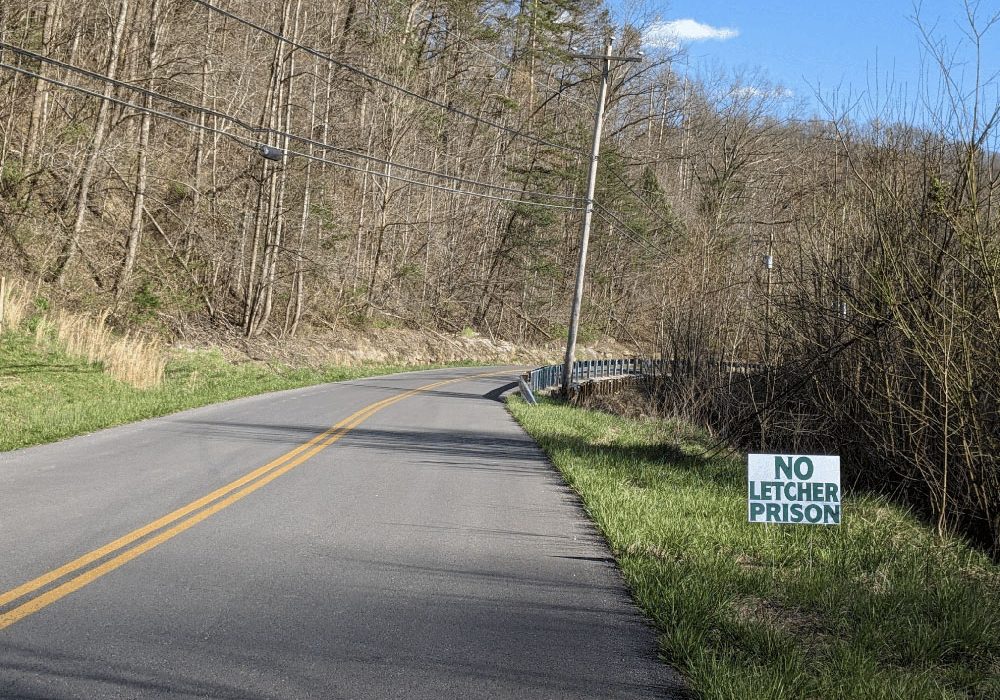
After 20 Years, Letcher County Prison Proposal Is Still Alive, Though Obstacles Remain
A $605 million proposal for a federal prison on a former strip mine site in Letcher County, Kentucky, championed by U.S. Rep. Hal Rogers, refuses to die, despite local opposition, a lack of support from the executive branch and numerous other obstacles.
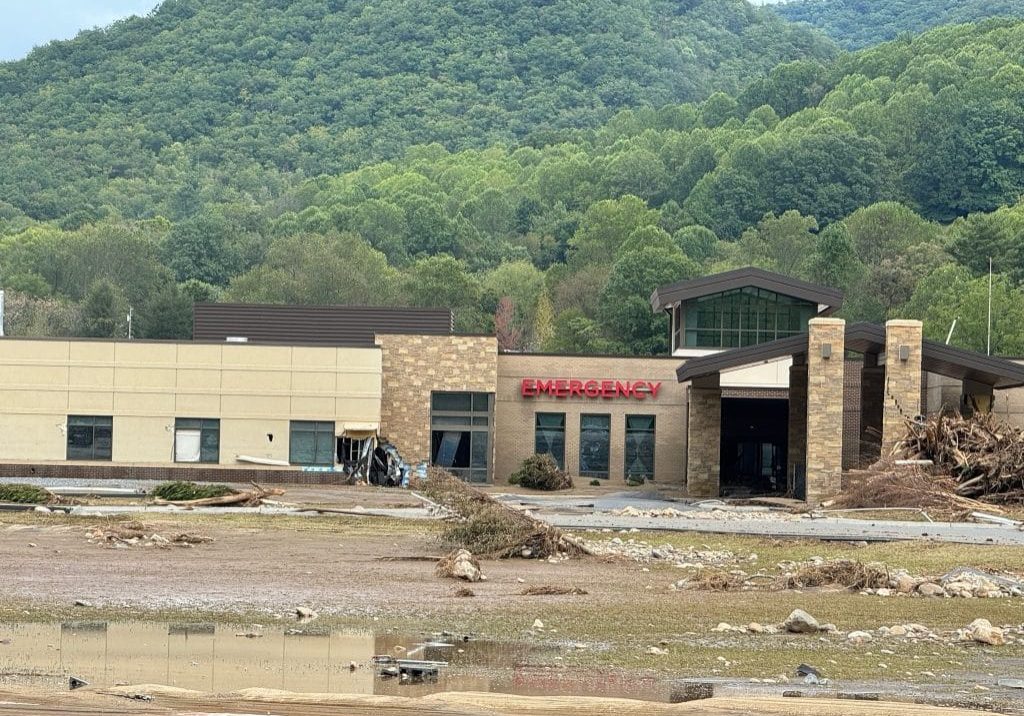
The Washout and Rebuild
For nearly two years, residents of Unicoi County, Tennessee, have had to make do without a hospital after Hurricane Helene destroyed the rural hospital. Ballad Health, which owns the hospital, broke ground on a new location — in another floodplain — in August 2026.

The Shenandoah Salamander
The Shenandoah salamander is a woodland salamander, which has adapted to life at higher elevations away from water. This sparkling rarity lives among the dry leaves, cracked logs, and stony hillocks on the highest peaks of Shenandoah National Park.

Leave a comment
Your email address will not be published. Required fields are marked *
Leave a Comment