

Environmental issues concern faith leaders
Although the statements and sermons rarely grab headlines, religious leaders in Appalachia and throughout the world are becoming increasingly concerned about the moral dimensions of coal mining, climate change and environmental stewardship.
In March, 2008, leaders of the Southern Baptist Convention meeting in Nashville said that Baptists have a moral responsibility to combat climate change. The statement was a change in pace for an organization that has long been skeptical about climate issues and environmentalism.
In other recent news about faith and the environment:
• The “Blessing of the Mountains” will be held April 5 on Fire Tower Mountain near Ansted. The public service will be “to join prayers for Divine intervention to counter the devastation of mountaintop removal.” The Blessing is organized by of Christians for the Mountains, an organization that serves as a clearinghouse for many denominations. http://www.christiansforthemountains.org/
• Young evangelicals from “Restoring Eden” are among those touring Mountaintop Removal , Executive Director of the West Virginia Council of Churches testified in Congress in support of wilderness designation for Monongahela National Forest. The council urged an end to MTR mining in Sept. 2007.
www.wvcc.org/
• Bishop Kenneth Carder, a professor in the Duke University’s Divinity School, was key note speaker at Mountain Wildlife and Wilderness Days in July 2007. “According to the Jewish and Christian traditions,” Carder said, “the primary vocation to which humans are called is to be stewards of, and participants in, God’s love for this magnificent, beautiful and resourceful creation.”
Other efforts include the Lindquist Environmental Appalachian Fellowship (LEAF) working “to bring the issue of mountaintop removal (MTR) to the attention of East Tennessee’s Christian communities and encourage them to address the environmental destruction and economic injustice this practice inflicts on the land and people of Appalachia.” LEAF is concerned that Tennessee is MTR is poising to greatly expand in Tennessee, and is seeking action to stop it. www.discoveret.org/tnleaf/
Also, A Rocha (Christians for Conservation), is becoming active in the issue of Mountaintop Removal. en.arocha.org/usa/
Concern for the environment among religious leaders is growing, but it is not new. For instance, in 1975, Catholic bishops issued a pastoral letter “This Land is Home to Me,” that called for more attention to environment, poverty and injustice in Appalachia. The quotation on the front cover of this issue of Appalachian Voice is reproduced in memory of that eloquent expression of conscience.
Related Articles
Latest News
More Stories

Signs of Life
In the Nantahala National Forest, a team of biologists spotted Indiana bats, an endangered species that hasn’t been seen in North Carolina for the last 11 years.

‘First Line of Defense’
During Hurricane Helene and its aftermath, rural fire departments and other first responder hubs played critical roles in keeping their communities safe, even without power and cut off from outside support for days or weeks after the storm. Two years later, plenty of work remains to ensure these hubs have the resources they need to operate day to day and be ready when emergencies or natural disasters strike.

The Rocky Road — and Bridge — to Recovery
Hurricane Helene is estimated to have damaged nearly 7,000 private roads and bridges in Western North Carolina. Two years later, many restoration projects are complete, but the journey hasn’t been easy — and isn’t over for others.
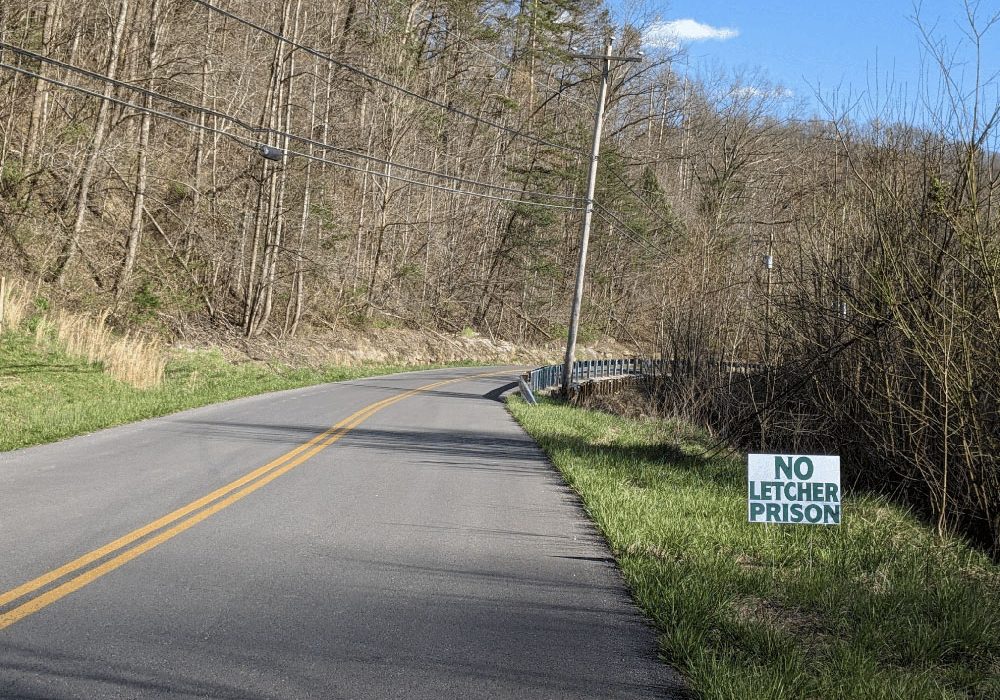
After 20 Years, Letcher County Prison Proposal Is Still Alive, Though Obstacles Remain
A $605 million proposal for a federal prison on a former strip mine site in Letcher County, Kentucky, championed by U.S. Rep. Hal Rogers, refuses to die, despite local opposition, a lack of support from the executive branch and numerous other obstacles.
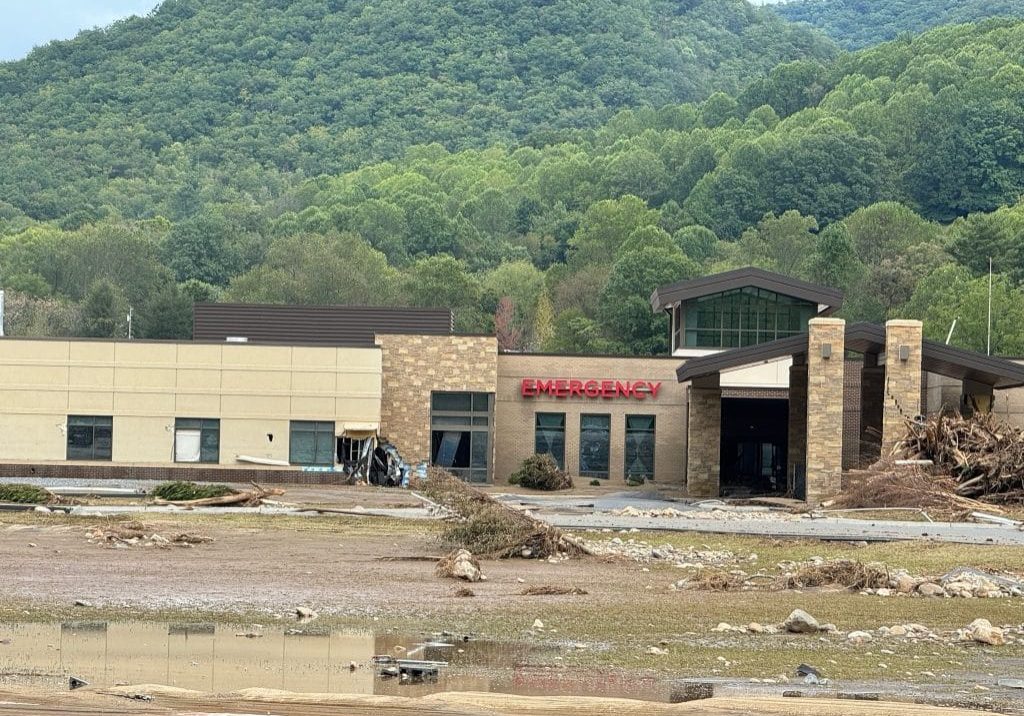
The Washout and Rebuild
For nearly two years, residents of Unicoi County, Tennessee, have had to make do without a hospital after Hurricane Helene destroyed the rural hospital. Ballad Health, which owns the hospital, broke ground on a new location — in another floodplain — in August 2026.

The Shenandoah Salamander
The Shenandoah salamander is a woodland salamander, which has adapted to life at higher elevations away from water. This sparkling rarity lives among the dry leaves, cracked logs, and stony hillocks on the highest peaks of Shenandoah National Park.

Leave a comment
Your email address will not be published. Required fields are marked *
Leave a Comment