

John McCain to Appalachian Voices: “Stop the Removal of Mountains”
Southern Appalachia has never been closer to New Hampshire than it was at this year’s New Hampshire primaries. As thousands of New Hampshire voters gathered in the chilly, slushy streets of Manchester and Concord to support their favorite candidates, many of them learned about their personal connection to mountaintop removal (MTR). Even two of the front-running candidates, John McCain and Barack Obama, went home with iLoveMountains flyers in their pockets.
For two days we spread the word about mountaintop removal to New Hampshire voters to made sure voters know where their candidates stand on coal issues. We walked the streets and attended rallies, speaking to as many citizens, members of the media, and the candidate’s staffers as possible.
There were two major highlights of Monday, November 7, the last day of rallying before the booths opened on Tuesday. The first came at a rally for John McCain, who has been the most vocal of all the Republican candidates about climate change and renewable energy. At the end of the rally, as McCain was walking away, Emily handed him a flyer. He took it, looked at it, and when he looked up again, I was standing in front of him. He took my hand, looked me directly in the eye, and said, “Thank you, thank you so much. I am going to stop the removal of the mountains.” He then gave me a big hug and thanked me for fighting for a cause greater than myself.
For a front-running Republican presidential candidate to not only address plans for aggressive climate change policy but also to openly state his opposition to mountaintop removal is huge; McCain represents an enormous step for the climate movement by making climate change and environmental justice a bipartisan issue in the 2008 elections.
That evening, about a thousand Barack Obama supporters dressed in woolen hats and mittens patiently waited in line outside the Concord High School gymnasium for almost three hours before the doors opened for the scheduled rally. We took advantage of the captive audience and, starting at opposite ends of the line, talked to every family, couple, and group of friends waiting in line. Between the two of us, we spoke to about 700 people before the doors opened and the rally started. This was even more exhilarating than hearing McCain promise to stop mountaintop removal.
Here we had a captive audience of several hundred concerned voters—just the type of people that are necessary for kindling a discussion and igniting a nationwide movement against MTR. The majority of the people we spoke to had never heard of MTR and were taken aback by the information; people were eager to get back home and enter their zip code on ilovemountains.org and find their connection to MTR. One woman told Marty as they parted that she was going to organize a gathering at her house with all her friends to tell them about it.
At one point during the rally, Barack Obama took the Appalachian Voices flyer in his hand, looked at it, and nodded to us in recognition. He knew all about the issue — he had already pledged to end mountaintop removal mining a year ago in a conversation with Appalachian Voices. (At the time, Obama said: “Strip-mining is an environmental disaster. We have to find more environmentally sound ways of mining coal, than simply blowing the tops off mountains.”)
Starting early the following morning, a buzz of excitement filled the air as voters across the state went to the booths to cast their ballots. As the streets bustled with people supporting candidates and talking with one another, we set up a table on the sidewalk on the main street in Manchester and spent the day talking to all sorts of voters—young and old, Democrats and Republicans, men and women, and several reporters—about MTR. The word about MTR is spreading across New England, and quickly. Let’s keep it spreading and make MTR part of this year’s energy debates!
Contact Emily and Marty at [email protected] or [email protected].
Appalachian Voice wants your stories. Tell us how you are fighting to defend our environment. Write [email protected] or log into www.appvoices.org and post a Front Porch blog entry.
Related Articles
Latest News
More Stories

Signs of Life
In the Nantahala National Forest, a team of biologists spotted Indiana bats, an endangered species that hasn’t been seen in North Carolina for the last 11 years.

‘First Line of Defense’
During Hurricane Helene and its aftermath, rural fire departments and other first responder hubs played critical roles in keeping their communities safe, even without power and cut off from outside support for days or weeks after the storm. Two years later, plenty of work remains to ensure these hubs have the resources they need to operate day to day and be ready when emergencies or natural disasters strike.

The Rocky Road — and Bridge — to Recovery
Hurricane Helene is estimated to have damaged nearly 7,000 private roads and bridges in Western North Carolina. Two years later, many restoration projects are complete, but the journey hasn’t been easy — and isn’t over for others.
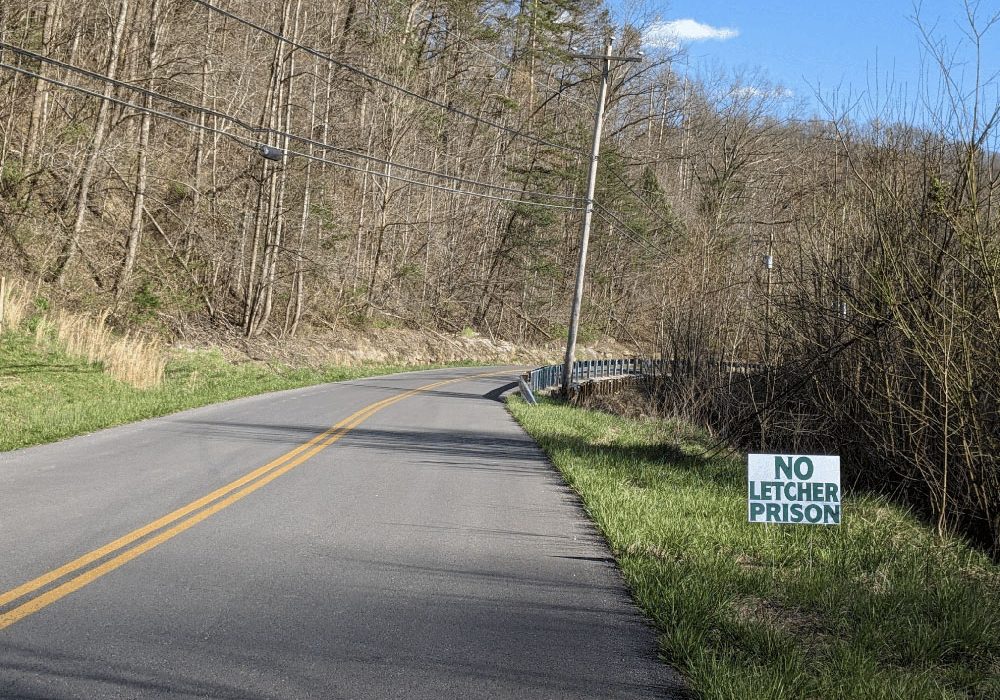
After 20 Years, Letcher County Prison Proposal Is Still Alive, Though Obstacles Remain
A $605 million proposal for a federal prison on a former strip mine site in Letcher County, Kentucky, championed by U.S. Rep. Hal Rogers, refuses to die, despite local opposition, a lack of support from the executive branch and numerous other obstacles.
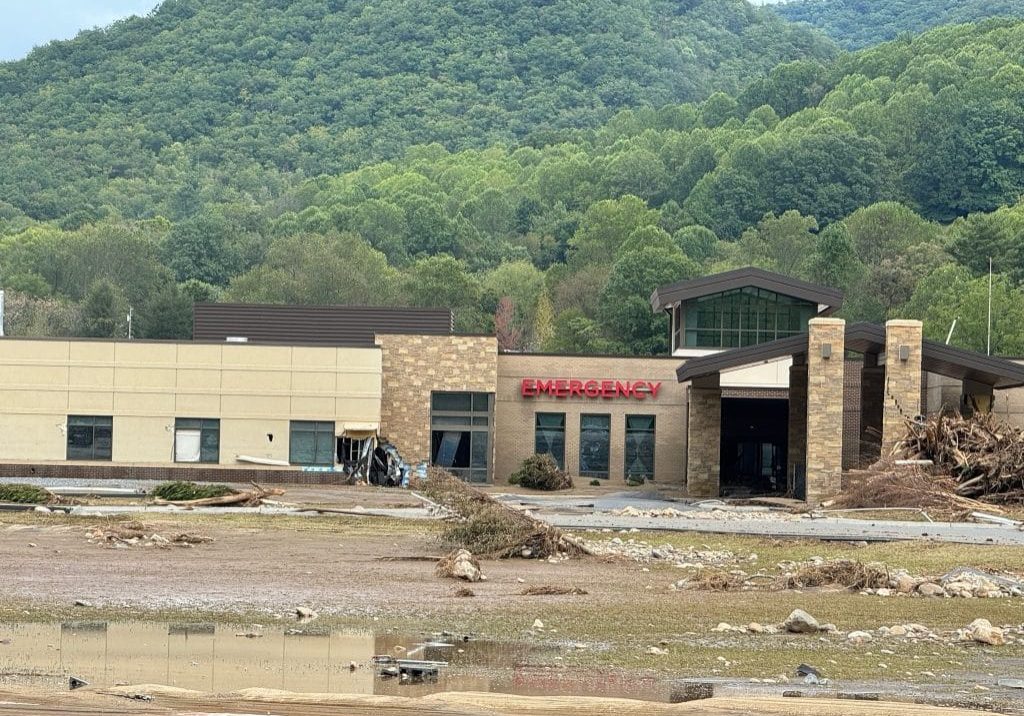
The Washout and Rebuild
For nearly two years, residents of Unicoi County, Tennessee, have had to make do without a hospital after Hurricane Helene destroyed the rural hospital. Ballad Health, which owns the hospital, broke ground on a new location — in another floodplain — in August 2026.
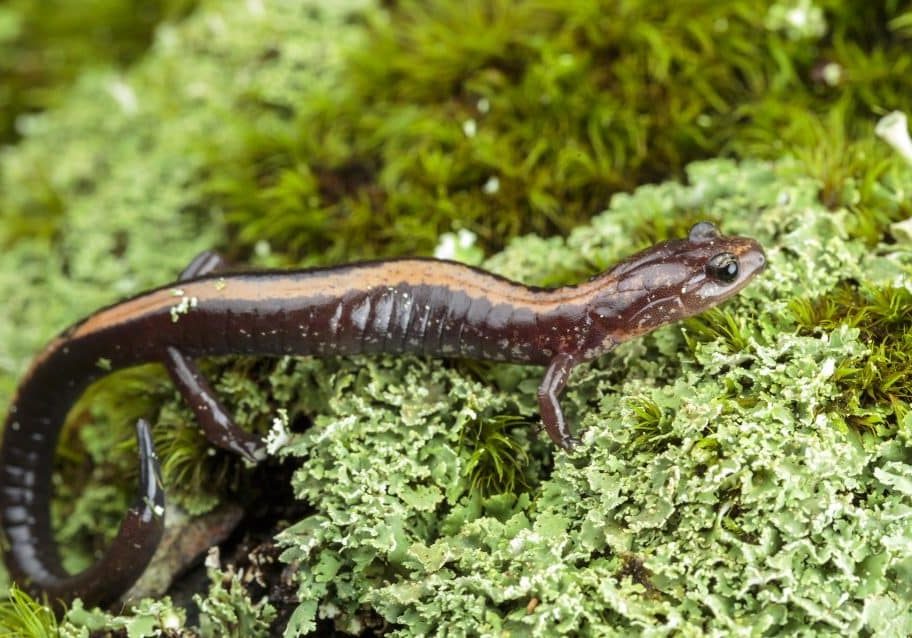
The Shenandoah Salamander
The Shenandoah salamander is a woodland salamander, which has adapted to life at higher elevations away from water. This sparkling rarity lives among the dry leaves, cracked logs, and stony hillocks on the highest peaks of Shenandoah National Park.

Leave a comment
Your email address will not be published. Required fields are marked *
Leave a Comment