

Graveyard Fields may not sound scenic, but don’t let the name fool you. This stop along the North Carolina portion of the Blue Ridge Parkway offers not only a chance to splash in a couple of waterfalls. It is also simply pretty, and it provides an environmental history lesson.
Graveyard Fields lies between Asheville and the Great Smoky Mountains National Park in the southern portion of Haywood County, N.C.
Here, about 500 to 1,000 years ago, a tremendous wind uprooted the area’s spruce forest. Later, old tree trunks rotted, leaving behind large clumps of dirt that looked like a field of graves – covered with moss and spruce needles. Thus, this place became known as “Graveyard Fields,” simply because that’s what it looked like – a graveyard.
Over time, the forest recovered, but then came a fire in 1925, ravaging the forest. Flames ripped apart the area’s spruce-fir forest and even destroyed the ancient dirt mounds. The fire burned so deeply, scientists believe, that it destroyed much of the soil’s nutrients.
For years, this barren area was compared to the parts of the Rocky Mountains, for its lack of vegetation. Yet the earth rebounded.
Blackberry briars and other plants took root – and added decaying vegetation to the earth each season. Gradually, these small plants enriched the soil. Today, it is believed that such enrichment will eventually lead to large plants and trees. Someday, too, Graveyard fields might even once again be the scene of a spruce-fir forest.
For now, it’s the setting of a great walking trail at an overlook that always seem hopping with drivers and passengers.
The adventurous traveler might take a couple hours to explore the Graveyard Fields and find the Upper Waterfalls on Yellowstone Prong. Yet if you have only an hour, or less, you can still make a quick trip to the lower falls.
The hike begins at a set of steps then uses an asphalt trail through a tunnel of trees. The path also follows a footbridge on the rocky Yellowstone, a tributary of the Pigeon River.
In this wild place, the Yellowstone likes to take a tumble. The short trek to the Lower Falls stops where the Yellowstone splashes in frothy flumes against a wall of rock, dropping water for a height of about 50 feet.
Until recently, it took a moderate hike to see these Lower Falls. But all that’s changed, thanks to some recently constructed wooden stairs and boardwalks. Going further into the Graveyard Fields, the hike stays easy but grows much longer as it marches more than a mile en route to the Upper Falls. The only drawback is what it requires to return to the parking lot. At a breath-stealing elevation of 5,120 feet, it takes a real huff-and-puff to climb out of the Graveyard Fields – even by following the asphalt trail and all those wooden steps.
* * * * **
Joe Tennis is the author of “BEACH TO BLUEGRASS: Places to Brake on Virginia’s Longest Road.” (The Overmountain Press).
* * * * **
Related Articles
Latest News
More Stories

Signs of Life
In the Nantahala National Forest, a team of biologists spotted Indiana bats, an endangered species that hasn’t been seen in North Carolina for the last 11 years.

‘First Line of Defense’
During Hurricane Helene and its aftermath, rural fire departments and other first responder hubs played critical roles in keeping their communities safe, even without power and cut off from outside support for days or weeks after the storm. Two years later, plenty of work remains to ensure these hubs have the resources they need to operate day to day and be ready when emergencies or natural disasters strike.
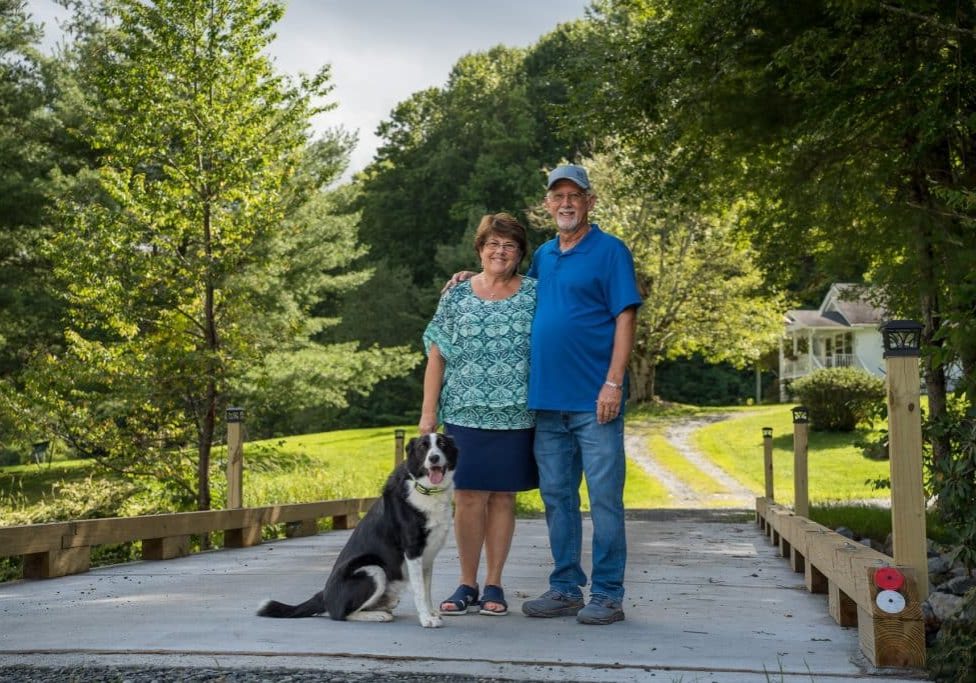
The Rocky Road — and Bridge — to Recovery
Hurricane Helene is estimated to have damaged nearly 7,000 private roads and bridges in Western North Carolina. Two years later, many restoration projects are complete, but the journey hasn’t been easy — and isn’t over for others.
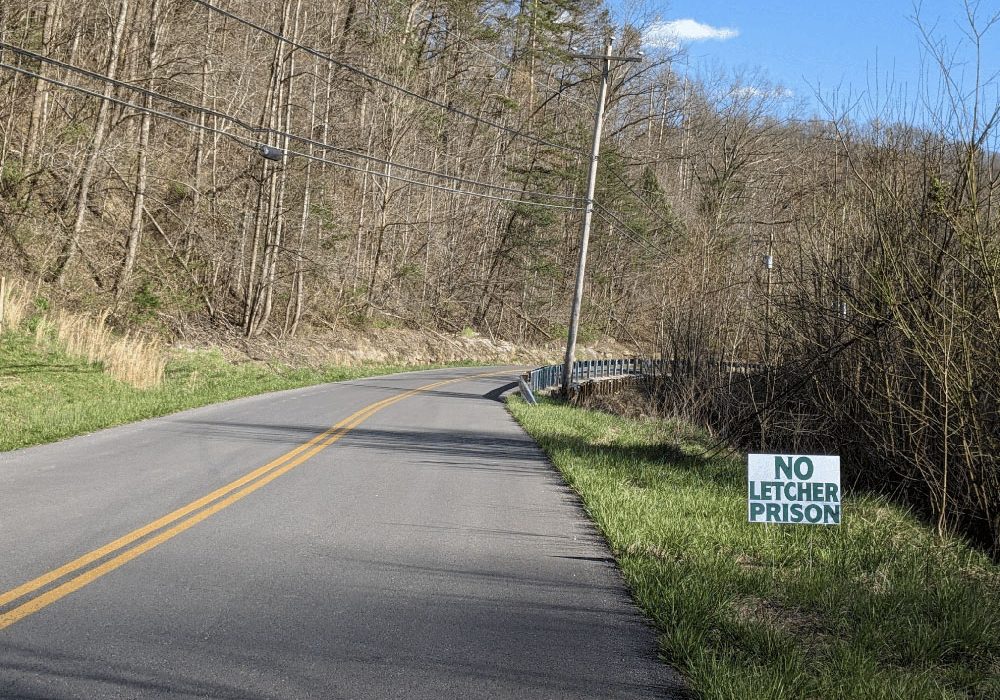
After 20 Years, Letcher County Prison Proposal Is Still Alive, Though Obstacles Remain
A $605 million proposal for a federal prison on a former strip mine site in Letcher County, Kentucky, championed by U.S. Rep. Hal Rogers, refuses to die, despite local opposition, a lack of support from the executive branch and numerous other obstacles.
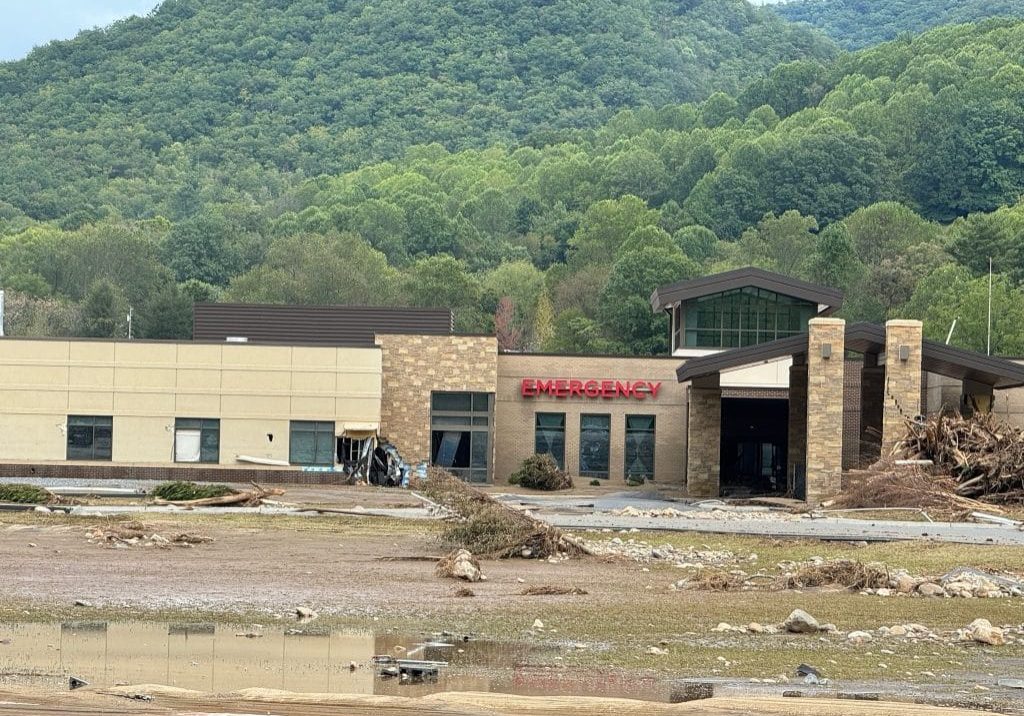
The Washout and Rebuild
For nearly two years, residents of Unicoi County, Tennessee, have had to make do without a hospital after Hurricane Helene destroyed the rural hospital. Ballad Health, which owns the hospital, broke ground on a new location — in another floodplain — in August 2026.

The Shenandoah Salamander
The Shenandoah salamander is a woodland salamander, which has adapted to life at higher elevations away from water. This sparkling rarity lives among the dry leaves, cracked logs, and stony hillocks on the highest peaks of Shenandoah National Park.

Leave a comment
Your email address will not be published. Required fields are marked *
Leave a Comment