

Consider the contents: a waterfall, a tunnel and a trestle over a rocky river.
It’s all waiting in Virginia’s Wise County, all within the first half-mile of the Guest River Gorge Trail.
But wait, all this literally is just the beginning.
Water draining out of southeastern Wise County ends up in the Guest River, roaring and tumbling over bleach-white boulders the size of small cars. Near Coeburn, the seldom-crowded Guest River Gorge Trail overlooks all this action.
So do people with a hook, line and sinker.
All along this rail-to-trail project are informal paths breaking away from the main drag and weaving through the young-growth forest to find fishing holes along the river.
You’ll find plenty of benches along this route, offering places to soak up the shade. You might also spy a salamander in the middle of the trail. Or look for warblers throughout the summer.
The Guest River Gorge Trail follows the path of an old Norfolk Southern rail bed, just off VA-72. As recently as the 1980s, you would have found coal trains on this run.
But then, after being abandoned by the railroad company, the rail turned into a trail in 1994 and became part of the Jefferson National Forest – thanks to laborers from the nearby Flatwoods Job Corps.
As a bike route, the Guest River Gorge Trail is also part of the Heart of Appalachia Scenic Drive, a 102-mile route linking the Guest River Gorge to Burke’s Garden, through St. Paul, Castlewood and Wardell.
Lying mostly flat, this trail is an easy hike. The initial part near the parking lot is paved and suitable for strollers, perhaps even a toddler on a tricycle, much like the Huckleberry Trail – a rail-to-trail project linking Blacksburg and Christiansburg in Virginia’s New River Valley.
The forest scenery, meanwhile, equals both the Virginia Creeper Trail and the New River Trail State Park.
In one way, the Guest River Gorge Trail might beat the Virginia Creeper- the rail-to-trail project running between Abingdon and Whitetop Mountain. That’s because the Guest River Gorge Trail boasts a tunnel – something that you won’t find anywhere on the Virginia Creeper Trail.
Built in 1922, the Guest River Gorge Trail’s dark passage is called the “Swede Tunnel” and takes its name from its Swedish builders.
A caveat: Bring a hat when you hike. Water drops often from the top of the always-damp tunnel. The liquid also collects in small muddy pools.
On the opposite side of the tunnel the trail zips through the green forest and in about another mile reaches a spur trail leading to the 22-foot-high Crab Orchard Branch Falls.
Even without getting off the trail, the cascades of Crab Orchard Branch can be seen from a tiny trestle on the main trail.
Going another couple of miles, you’ll reach the Falls of Lick Log Branch. This 40-foot-high waterfall drops off a small cliff at the left edge of the trail.
But wait – don’t stop there.
At 5.8 miles from the parking lot, the Guest River Gorge Trail dead-ends at a trestle on the Clinch River.
Going either way on this trail, it’s a given you won’t find much company. And that’s because the Guest River Gorge Trail is so deliciously located off the beaten path – about an hour from any interstate highway.
GUEST RIVER GORGE TRAIL
Hiking Length: 5.8 miles (one way)
Where to Start: Coeburn, Va., between Abingdon and Norton. From I-81 -Exit 14 at Abingdon, follow US-19 north for about 30 minutes to Hansonville. Veer left on US-58A and go about 30 minutes to Coeburn. Then follow VA-72 south for two miles. The entrance road to the Guest River Gorge is on the left and runs 1.2 miles to the head of the trail.
Parking: Free
Duration: Four hours round-trip, including time to take photos.
Note: Bikes are allowed on the trail; horses are not.
Joe Tennis is the author of “Southwest Virginia Crossroads: An Almanac of Place Names and Places to See” (The Overmountain Press).
Related Articles
Latest News
More Stories
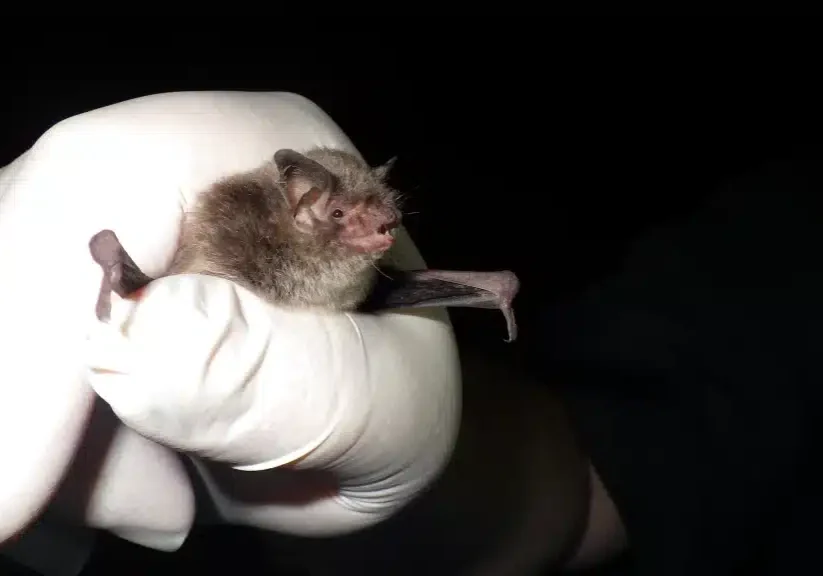
Signs of Life
In the Nantahala National Forest, a team of biologists spotted Indiana bats, an endangered species that hasn’t been seen in North Carolina for the last 11 years.
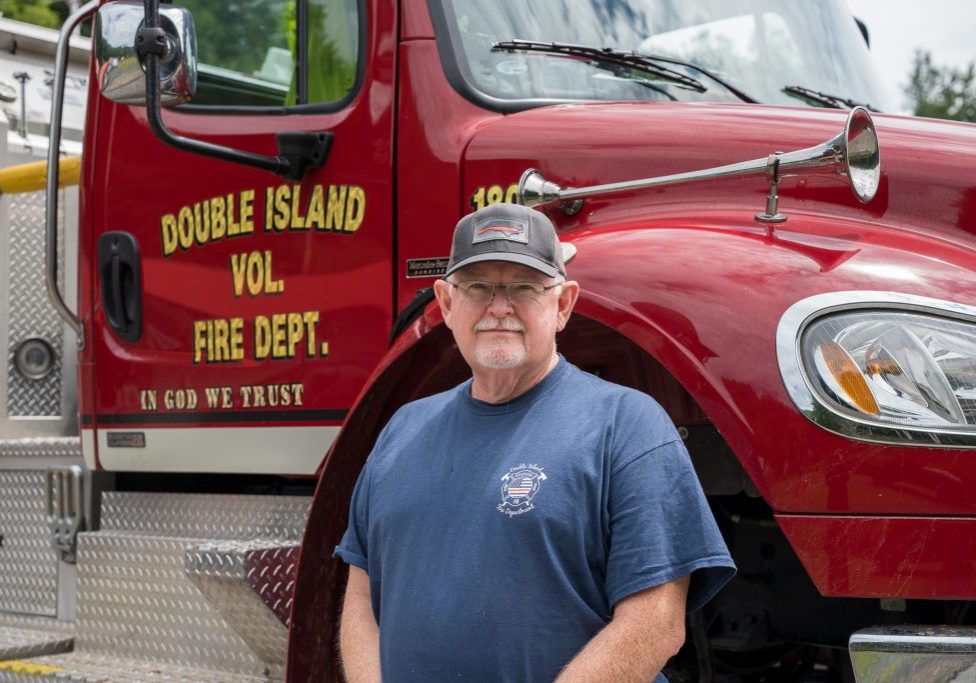
‘First Line of Defense’
During Hurricane Helene and its aftermath, rural fire departments and other first responder hubs played critical roles in keeping their communities safe, even without power and cut off from outside support for days or weeks after the storm. Two years later, plenty of work remains to ensure these hubs have the resources they need to operate day to day and be ready when emergencies or natural disasters strike.
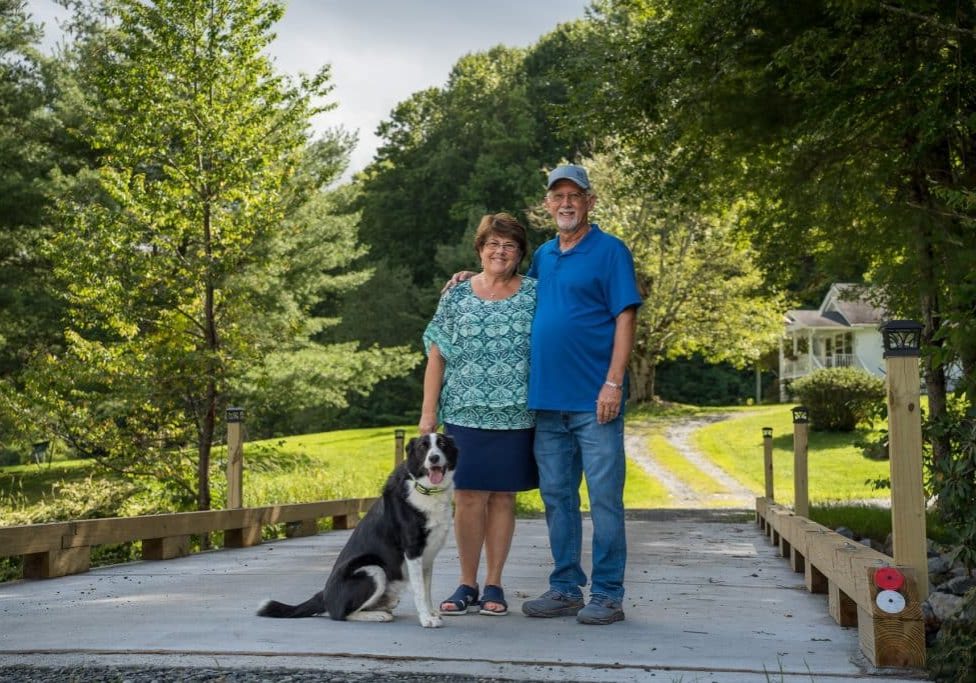
The Rocky Road — and Bridge — to Recovery
Hurricane Helene is estimated to have damaged nearly 7,000 private roads and bridges in Western North Carolina. Two years later, many restoration projects are complete, but the journey hasn’t been easy — and isn’t over for others.
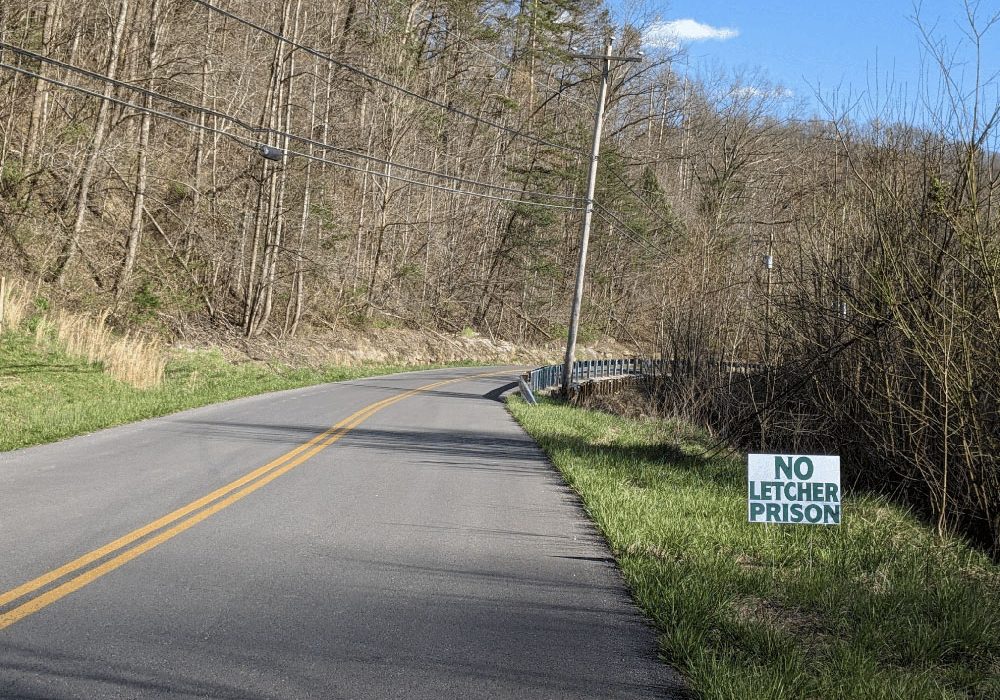
After 20 Years, Letcher County Prison Proposal Is Still Alive, Though Obstacles Remain
A $605 million proposal for a federal prison on a former strip mine site in Letcher County, Kentucky, championed by U.S. Rep. Hal Rogers, refuses to die, despite local opposition, a lack of support from the executive branch and numerous other obstacles.
The Washout and Rebuild
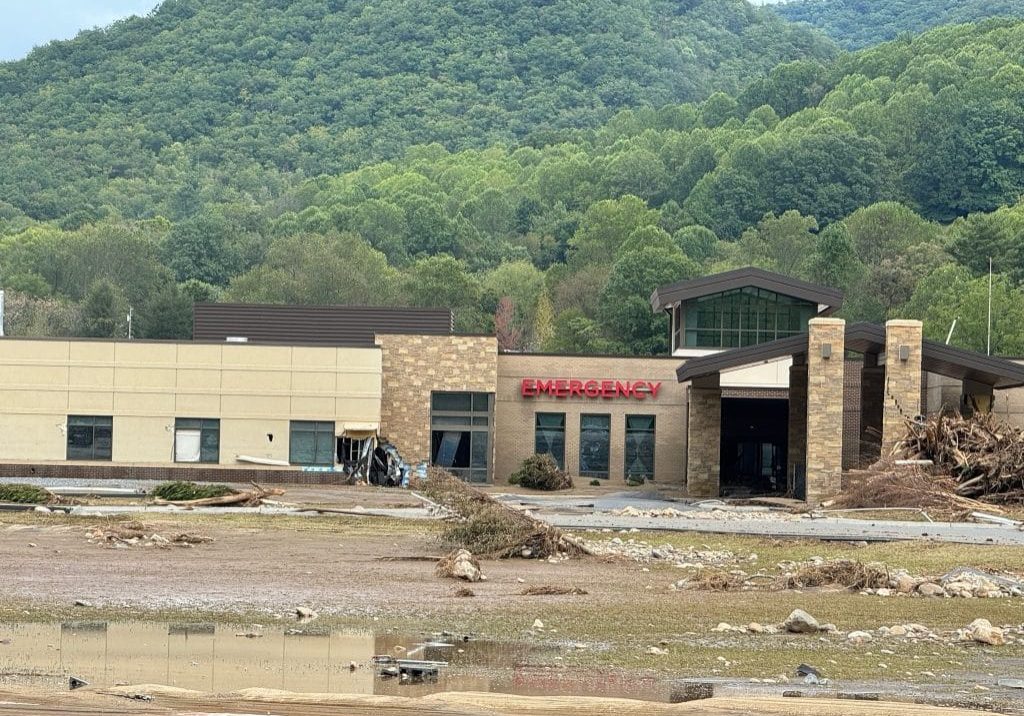
For nearly two years, residents of Unicoi County, Tennessee, have had to make do without a hospital after Hurricane Helene destroyed the rural hospital. Ballad Health, which owns the hospital, broke ground on a new location — in another floodplain — in August 2026.
The Shenandoah Salamander
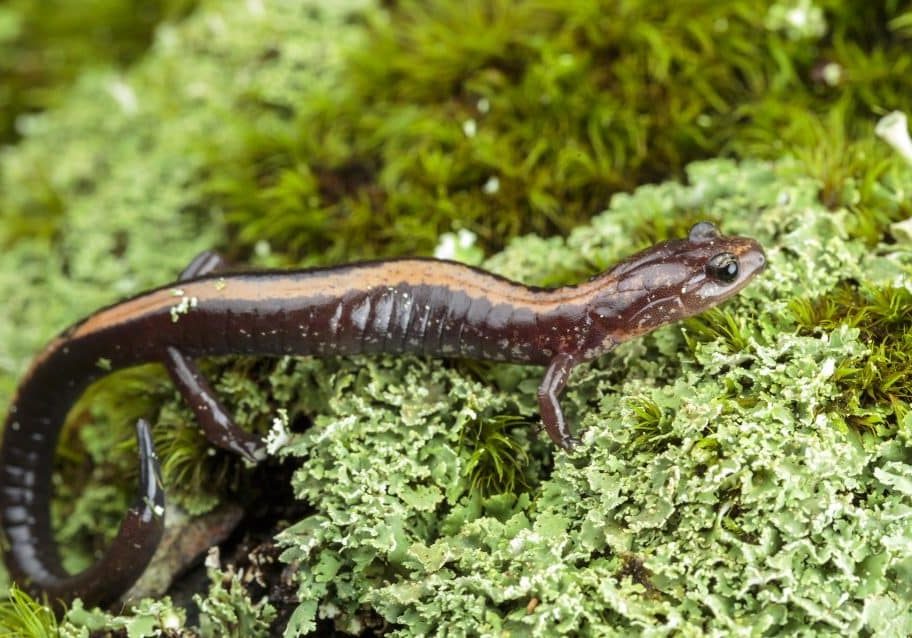
The Shenandoah salamander is a woodland salamander, which has adapted to life at higher elevations away from water. This sparkling rarity lives among the dry leaves, cracked logs, and stony hillocks on the highest peaks of Shenandoah National Park.

Leave a comment
Your email address will not be published. Required fields are marked *
Leave a Comment