

Alternatives to Styrofoam
Canyon’s Restaurant
Sitting overlooking one of the most gorgeous mountain views in the Appalachians, Bart Conway, owner and manager of Canyon’s Restaurant in Blowing Rock, North Carolina, is going vegetarian. No, he still serves (and eats) many delicious meat dishes, but he is lowering his carbon footprint by using canola fryer oil to heat with in the winter, and potatoes and corn year-round for carry out containers. What with Washington denying global warming, dying polar bears due to melting ice in the Arctic, and the Gulf having devastating hurricanes, what’s a guy to do?
For starters, don’t dispense with that 20 gallons of french-fry grease every week in the winter when you can mix it 50-50 with heating oil and warm your customers at half the cost and reduce the country’s Middle Eastern oil use by half at the same time.
“Twenty gallons a week may not sound like much,” says Conway, “but hey, you do your part, and you gotta start somewhere.”
Let’s say your eyes are bigger than your stomach one evening, and you order more of Canyon’s good food and drink than you can enjoy in one sitting, ask for a doggie bag and a take-out cup, and out comes the usual styrofoam box and plastic cup. But no. The box is made from potatoes, the clear, plastic-looking cup from corn.
But what about Canyon’s shareholders? Don’t they expect maximization of profits, the environment be damned. First of all there are no shareholders. But even if there were, they would be pretty happy. The reuse of the fryer grease saves a bundle. And while the carry out containers are more expensive, the staff are more careful in dispensing them to customers, sometimes putting carryout in a sack- the original doggie bag. And whereas an employee – all 65 of them- might have gone through several styrofoam cups in a shift to keep themselves hydrated and caffeinated, they now reuse the corn cups again and again.
“While we’re not trying to save the world one cup at a time,” opines Conway, “we are perhaps making 65 staff people and some of our customers more aware of the possibilities.” And maybe, just maybe, some of Canyon’s patrons will get a not so subtle connection between the beautiful view of Grandfather Mountain, and reducing the pollution that all of us produce.
What else is on the horizon for Canyon’s? Solar water collectors could save tons of coal-fired electricity in the summer when the canola oil furnace isn’t going. Many more customers and a lot more sun equals opportunity. Stay tuned.
Related Articles
Latest News
More Stories

Signs of Life
In the Nantahala National Forest, a team of biologists spotted Indiana bats, an endangered species that hasn’t been seen in North Carolina for the last 11 years.

‘First Line of Defense’
During Hurricane Helene and its aftermath, rural fire departments and other first responder hubs played critical roles in keeping their communities safe, even without power and cut off from outside support for days or weeks after the storm. Two years later, plenty of work remains to ensure these hubs have the resources they need to operate day to day and be ready when emergencies or natural disasters strike.

The Rocky Road — and Bridge — to Recovery
Hurricane Helene is estimated to have damaged nearly 7,000 private roads and bridges in Western North Carolina. Two years later, many restoration projects are complete, but the journey hasn’t been easy — and isn’t over for others.
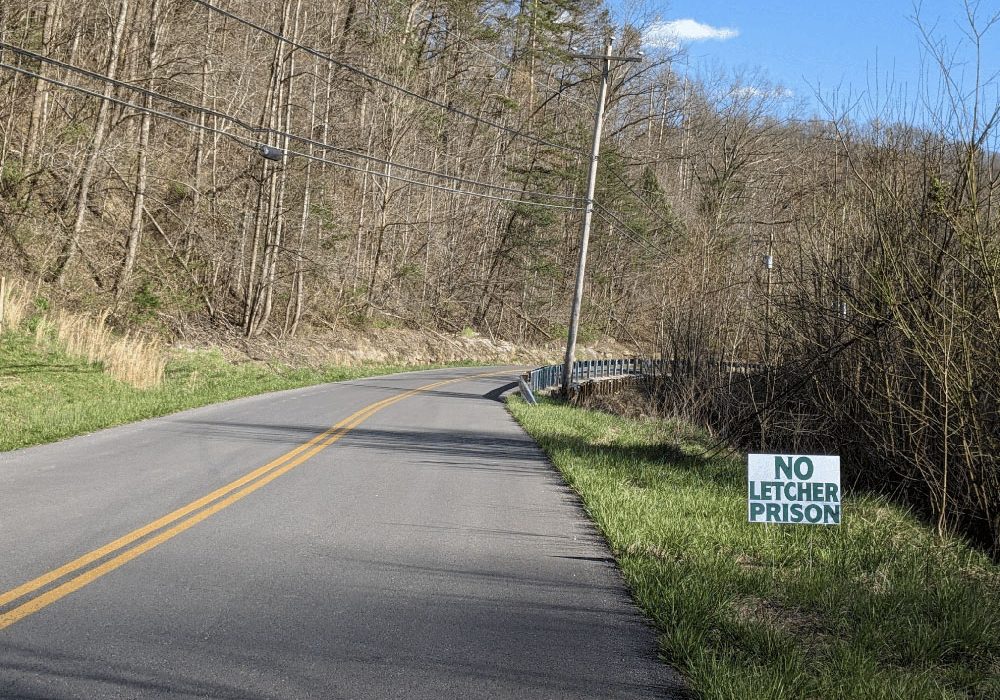
After 20 Years, Letcher County Prison Proposal Is Still Alive, Though Obstacles Remain
A $605 million proposal for a federal prison on a former strip mine site in Letcher County, Kentucky, championed by U.S. Rep. Hal Rogers, refuses to die, despite local opposition, a lack of support from the executive branch and numerous other obstacles.
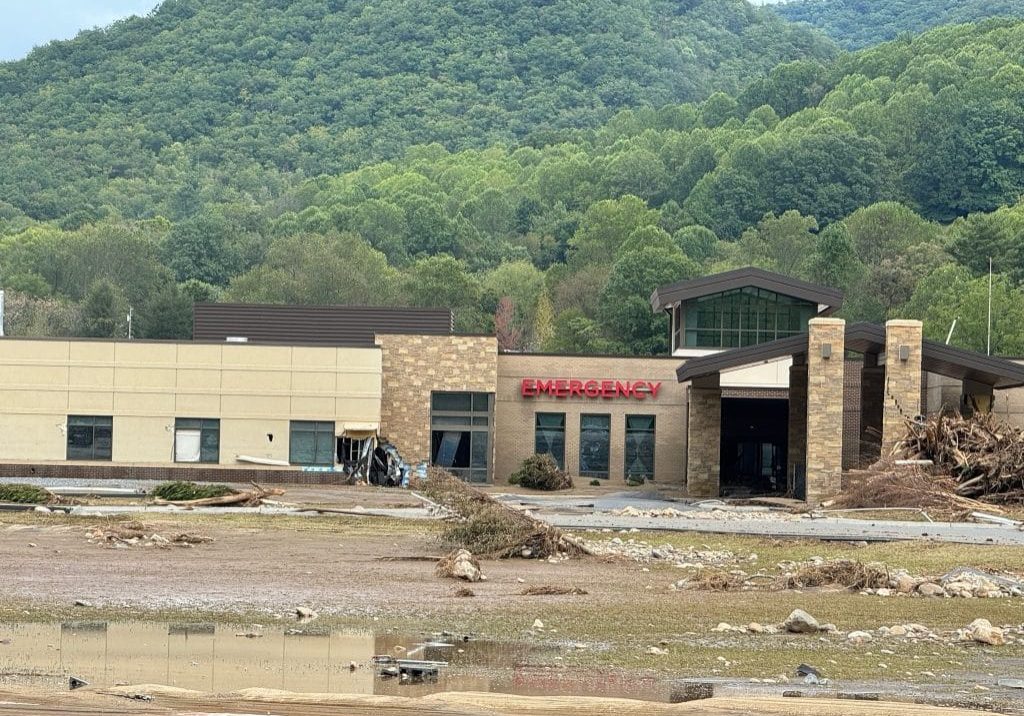
The Washout and Rebuild
For nearly two years, residents of Unicoi County, Tennessee, have had to make do without a hospital after Hurricane Helene destroyed the rural hospital. Ballad Health, which owns the hospital, broke ground on a new location — in another floodplain — in August 2026.
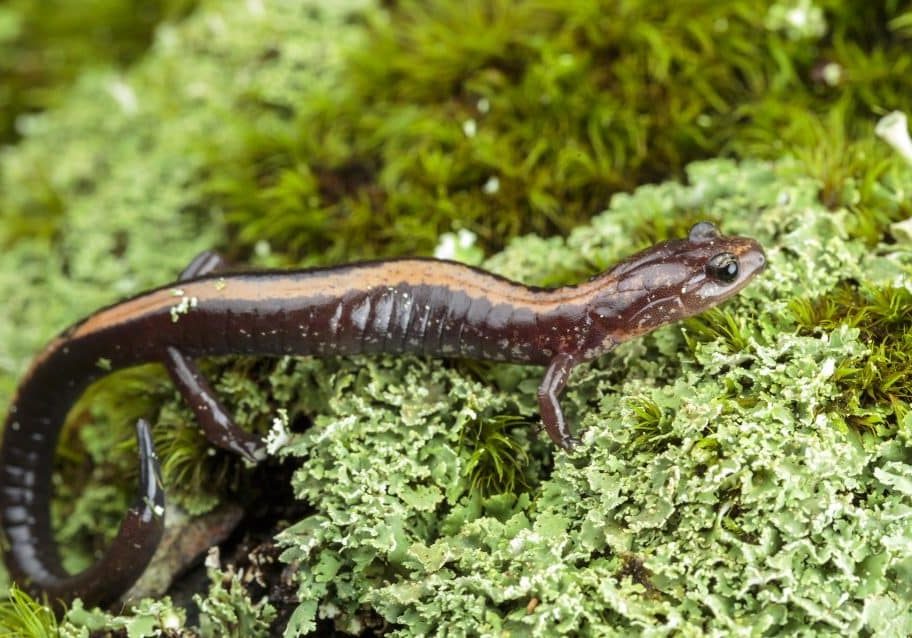
The Shenandoah Salamander
The Shenandoah salamander is a woodland salamander, which has adapted to life at higher elevations away from water. This sparkling rarity lives among the dry leaves, cracked logs, and stony hillocks on the highest peaks of Shenandoah National Park.

Leave a comment
Your email address will not be published. Required fields are marked *
Leave a Comment