

Coal Synfuels: A Giant Leap Backward
America’s coal companies and their political supporters continue to push for the creation of a massive coal synthetic fuels industry. This time, they say, it would be a real industry, not the half-baked “spray and pray” operations that have legally but unethically siphoned off billions in tax dollars for bogus “synthetic” fuels projects.
Recently, a handful of Appalachian congressmen have formed a “coal-to-liquid coalition” to fight for tax incentives and government mandated use of synfuels.
Legislation pouring billions of dollars into this unworthy enterprise has been introduced. Eight coal-to-liquid plants are in the planning and construction phase, including one in Mingo, WV, and dozens more are contemplated.
The environmental impacts of coal synfuels alone should be more than enough reason to stop this dinosaur in its tracks. Along with at least twice the C02 impact of petroleum, coal synfuels are also made up of carcinogenic co-products like benzene. Expanded production would also worsen the effects of mountaintop removal mining and have drastic impacts on water supplies. Coal synfuels use three to five gallons of water for every gallon of fuel produced.
As if all these environmental costs weren’t enough, the up front capital costs of synfuels at over $6 per gallon of annual capacity are far higher than alternatives, such as agriculturally based biofuels at a comparable $1 to $3. The cost of a gallon of coal synfuel will have to be far higher than gasoline today in order to compete, especially in the unlikely event that the “carbon capture” technology is ever deployed.
Coal synfuels supporters seem to take a perverse pride in the historical fact that the Germans developed the coal hydrogenation and liquefaction processes to fuel Nazi conquests in World War II. Yet most reasonable people would agree that this technology from the past deserves to stay there, and not become part of America’s energy and environmental future.
Related Articles
Latest News
More Stories

Signs of Life
In the Nantahala National Forest, a team of biologists spotted Indiana bats, an endangered species that hasn’t been seen in North Carolina for the last 11 years.

‘First Line of Defense’
During Hurricane Helene and its aftermath, rural fire departments and other first responder hubs played critical roles in keeping their communities safe, even without power and cut off from outside support for days or weeks after the storm. Two years later, plenty of work remains to ensure these hubs have the resources they need to operate day to day and be ready when emergencies or natural disasters strike.

The Rocky Road — and Bridge — to Recovery
Hurricane Helene is estimated to have damaged nearly 7,000 private roads and bridges in Western North Carolina. Two years later, many restoration projects are complete, but the journey hasn’t been easy — and isn’t over for others.
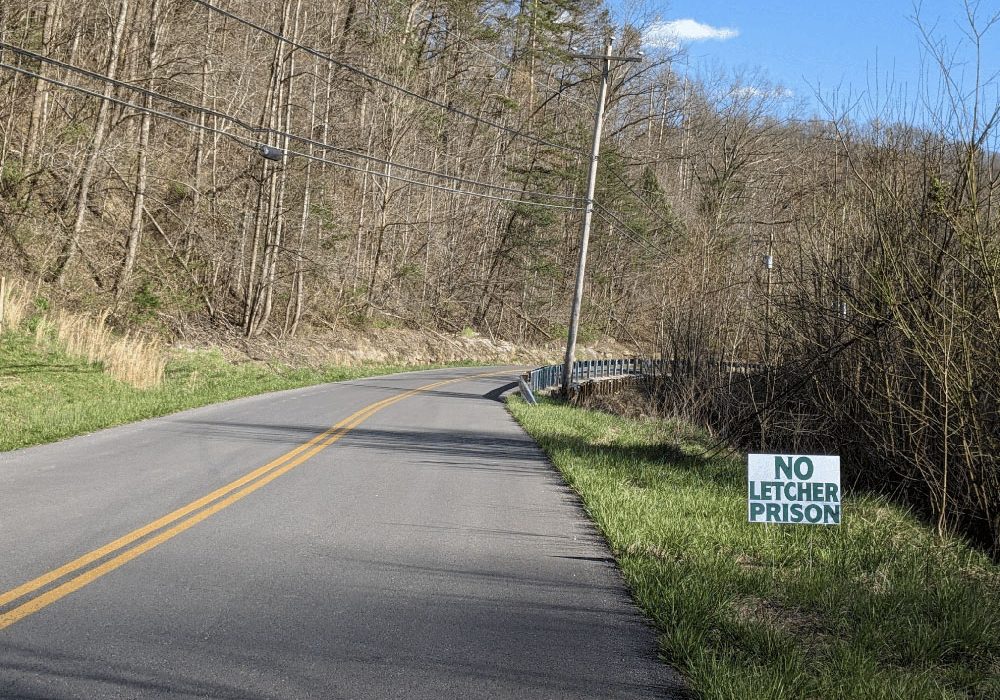
After 20 Years, Letcher County Prison Proposal Is Still Alive, Though Obstacles Remain
A $605 million proposal for a federal prison on a former strip mine site in Letcher County, Kentucky, championed by U.S. Rep. Hal Rogers, refuses to die, despite local opposition, a lack of support from the executive branch and numerous other obstacles.
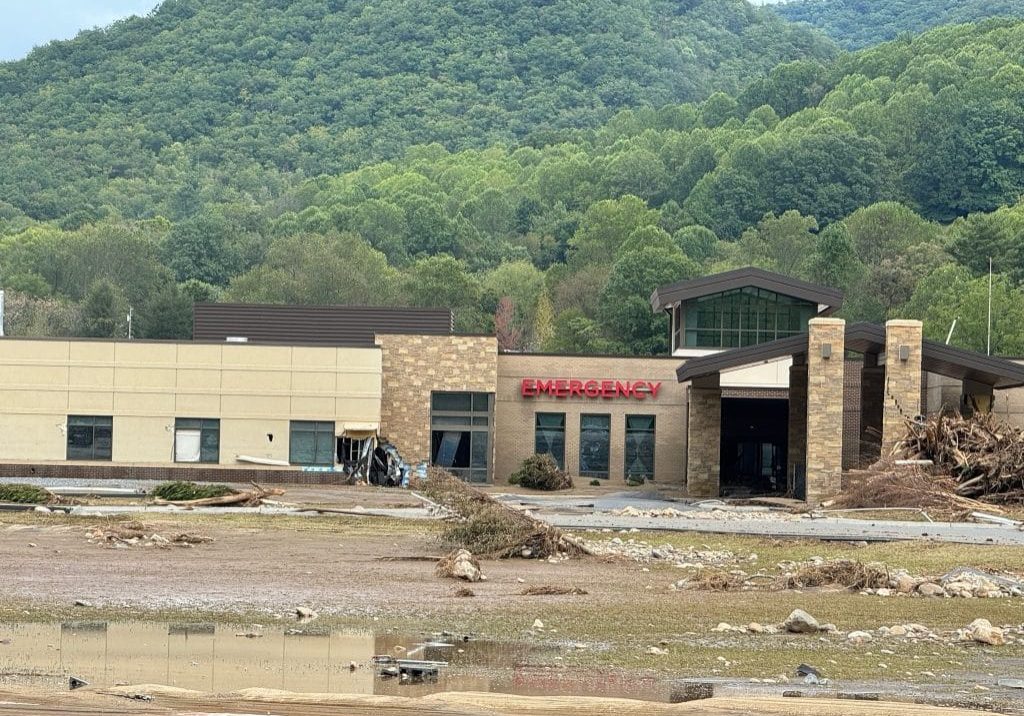
The Washout and Rebuild
For nearly two years, residents of Unicoi County, Tennessee, have had to make do without a hospital after Hurricane Helene destroyed the rural hospital. Ballad Health, which owns the hospital, broke ground on a new location — in another floodplain — in August 2026.

The Shenandoah Salamander
The Shenandoah salamander is a woodland salamander, which has adapted to life at higher elevations away from water. This sparkling rarity lives among the dry leaves, cracked logs, and stony hillocks on the highest peaks of Shenandoah National Park.

Leave a comment
Your email address will not be published. Required fields are marked *
Leave a Comment