

Fighting Nature Deficit at Tremont
WALKER VALLEY, TN — It’s not strength in numbers that inspires Ken Voorhis. Instead, it’s strength in intensity – possibly even a life-changing experience – that excites Voorhis in his job as executive director of the Great Smoky Mountains Institute at Tremont.
On staff since 1984, Voorhis spends his days teaching children all the benefits of taking care of the earth, especially the environment of the Great Smoky Mountains.
“What we’re about at Tremont is saving kids from a natural deficit disorder,” Voorhis said. “And our vehicle is this national park.”
Located near Townsend, Tenn., the non-profit Great Smoky Mountains Institute at Tremont provides educational programs focused on the environment, celebrating diversity and fostering stewardship.
Typical outings might involve studying 17-inch hellbender salamanders, taking a hike or learning about water quality in rocky streams and waterfalls.
Field trips and seminars go by names like “Spring Awakenings,” “Teen High Adventure” and “Family Adventure.” Some are geared especially for schoolteachers to provide opportunities to obtain continuing education credits and to inspire ideas for use in classrooms.
The institute also offers a “Citizen Science Program” to give students and adults opportunities to help conduct scientific research in the national park.
Just about everything, Voorhis said, is designed to get people out of their car and into the woods.
“The park has nine million visitors a year,” Voorhis said. “For a lot of these people, it’s a windshield experience. They just drive through.”
Comparatively speaking, only a small few of those millions – aboutone percent of the entire Smokies visitation numbers – come to
Tremont, Voorhis said. “But we affect people real deeply … It’s a great learning experience, really, for kids of all ages.”
For more information, write: 9275 Tremont Road, Townsend, Tenn. 37882. Visit www.gsmit.org.
– – – – – – – – –
Joe Tennis is the author of Southwest Virginia Crossroads: An Almanac of Place Names and Places to See (The Overmountain Press).
Related Articles
Latest News
More Stories
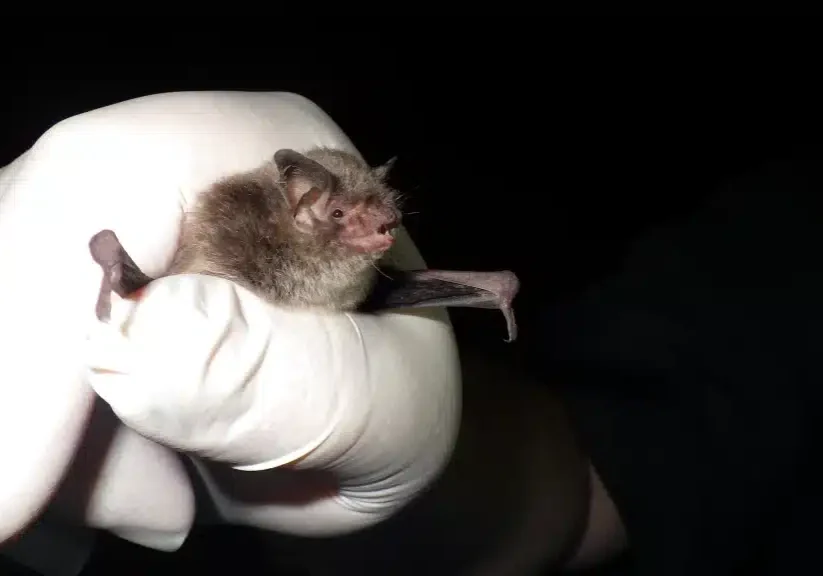
Signs of Life
In the Nantahala National Forest, a team of biologists spotted Indiana bats, an endangered species that hasn’t been seen in North Carolina for the last 11 years.

‘First Line of Defense’
During Hurricane Helene and its aftermath, rural fire departments and other first responder hubs played critical roles in keeping their communities safe, even without power and cut off from outside support for days or weeks after the storm. Two years later, plenty of work remains to ensure these hubs have the resources they need to operate day to day and be ready when emergencies or natural disasters strike.
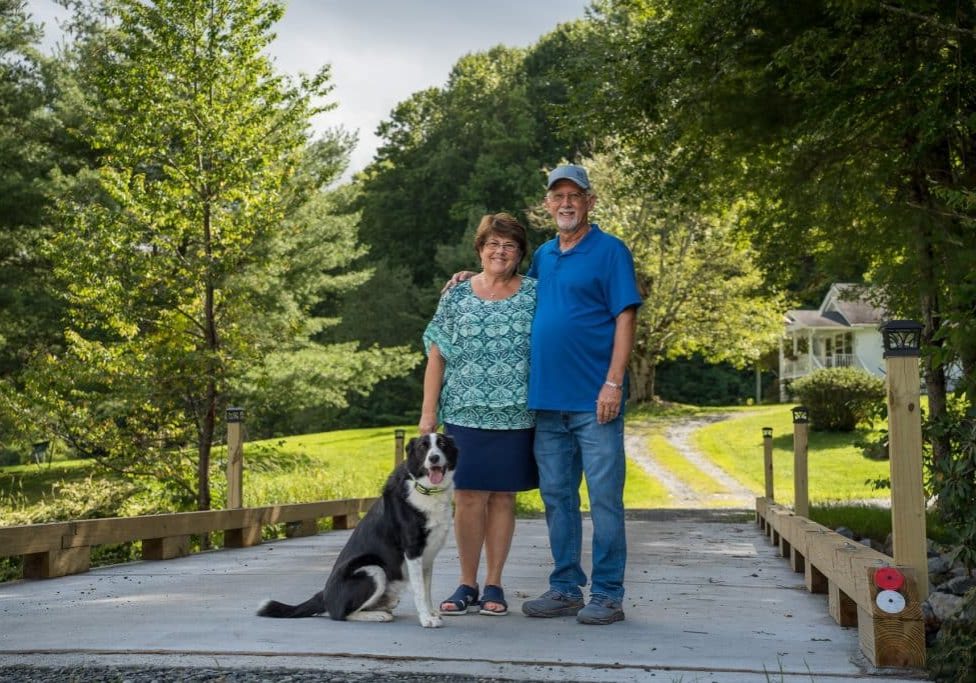
The Rocky Road — and Bridge — to Recovery
Hurricane Helene is estimated to have damaged nearly 7,000 private roads and bridges in Western North Carolina. Two years later, many restoration projects are complete, but the journey hasn’t been easy — and isn’t over for others.
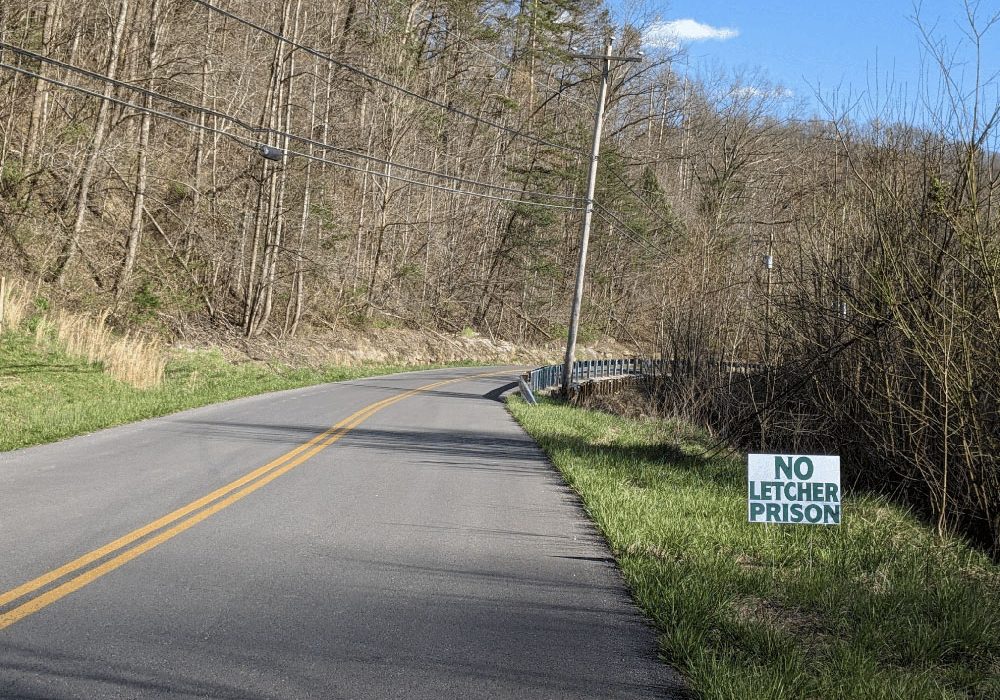
After 20 Years, Letcher County Prison Proposal Is Still Alive, Though Obstacles Remain
A $605 million proposal for a federal prison on a former strip mine site in Letcher County, Kentucky, championed by U.S. Rep. Hal Rogers, refuses to die, despite local opposition, a lack of support from the executive branch and numerous other obstacles.
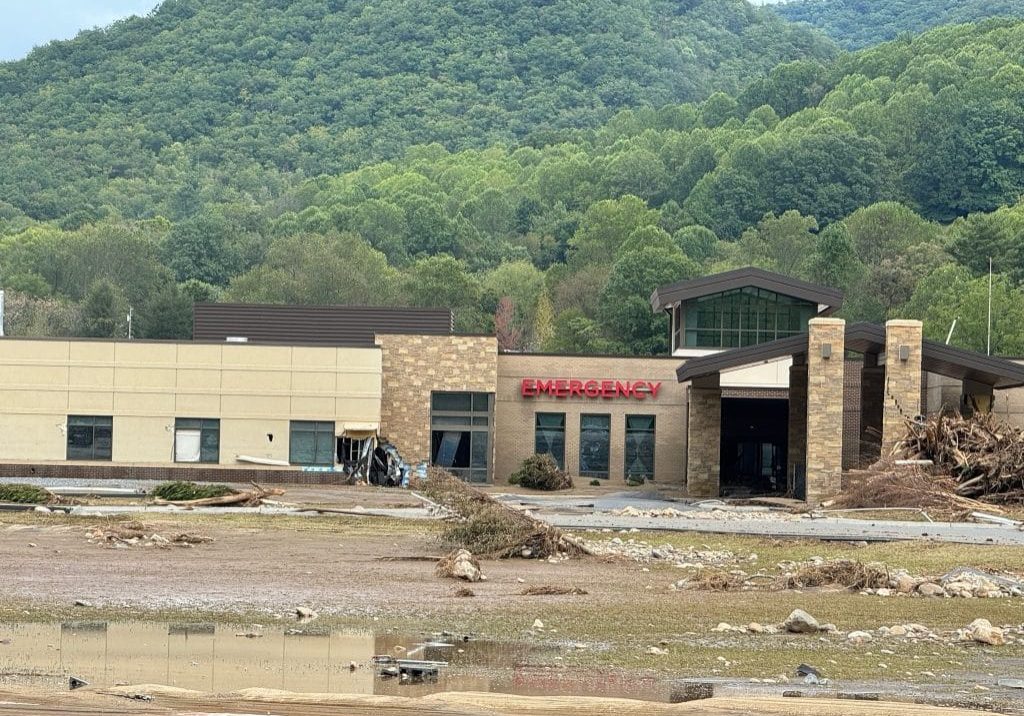
The Washout and Rebuild
For nearly two years, residents of Unicoi County, Tennessee, have had to make do without a hospital after Hurricane Helene destroyed the rural hospital. Ballad Health, which owns the hospital, broke ground on a new location — in another floodplain — in August 2026.
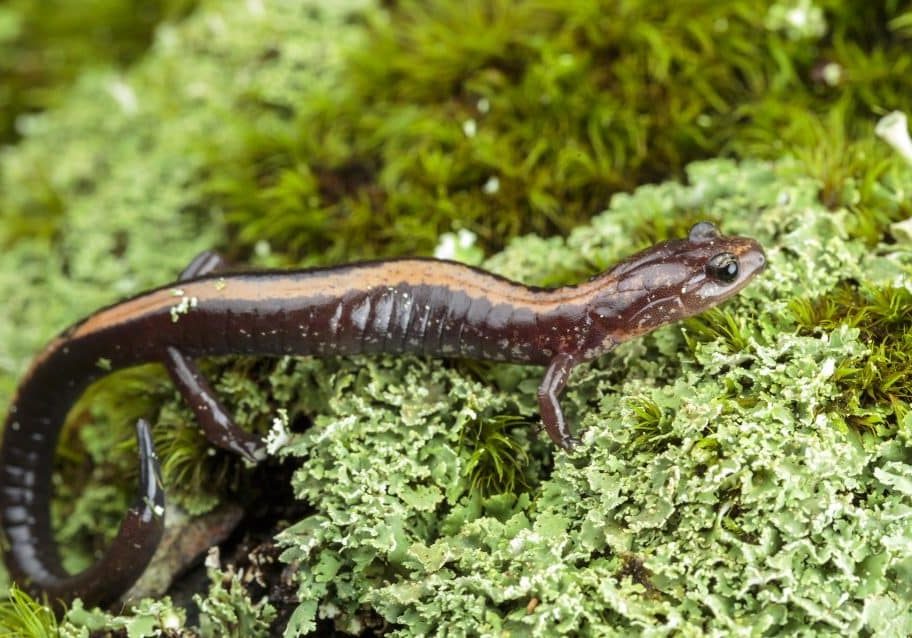
The Shenandoah Salamander
The Shenandoah salamander is a woodland salamander, which has adapted to life at higher elevations away from water. This sparkling rarity lives among the dry leaves, cracked logs, and stony hillocks on the highest peaks of Shenandoah National Park.

Leave a comment
Your email address will not be published. Required fields are marked *
Leave a Comment