

Appalachian Voices volunteer delivers clean air message
At a moment when North Carolina’s strong clean air legislation seemed under attack on the federal level, Appalachian Voice volunteer Brenda Huggins showed how leadership and common sense can make an important political point.
Huggins was concerned about the possibility that a 2005 federal bill would dilute strong state air pollution laws such as the North Carolina Clean Smokestacks Act of 2002.
Over the past yhear, she visited about 40 different county and city government offices asking them to sign on to a resolution supporting clean air and the efforts of the state legislature. Nearly all of them formally endorsed the clean air resolution.
“Visiting these city halls and county government offices was overwhelmingly positive,” Huggins said. The warm reception to her message came from both conservatives and liberals, Republicans and Democrats.
Another positive experience involved taking 31 resolutions from the Congressional 10th District to the offices of conservative US Congressman Patrick McHenry (R-NC). McHenry said that the state “has some of the highest clean air standards in the nation” because of its citizens’ “practical environmental stewardship.” And he agreed with Huggins that NC should “maintain its clean air leadership by supporting common sense, constructive policies.”
Following the shift in Congressional power to the Democrats in the 2006 mid-term elections, proposals for weakening state clean air standards through a federal law are dead in the water. Even so, the demonstration of support for tough standards by cities and towns, led by moderate Republicans like Huggins, shows that support for environmental protection is strongly bipartisan.
Huggins said her strategy was to visit with city managers and others in city government, introducing herself as a volunteer with Appalachian Voice, and to discuss the state legislature’s support for tough clean air standards and the need for local governments to help with that support.
“This was a way local people could make thei8r voices heard in Washington,” she said. “We’re not lobbyists, we can’t go to Washington all the time, but this is a way we could send the voices of the people to Washington.”
Related Articles
Latest News
More Stories
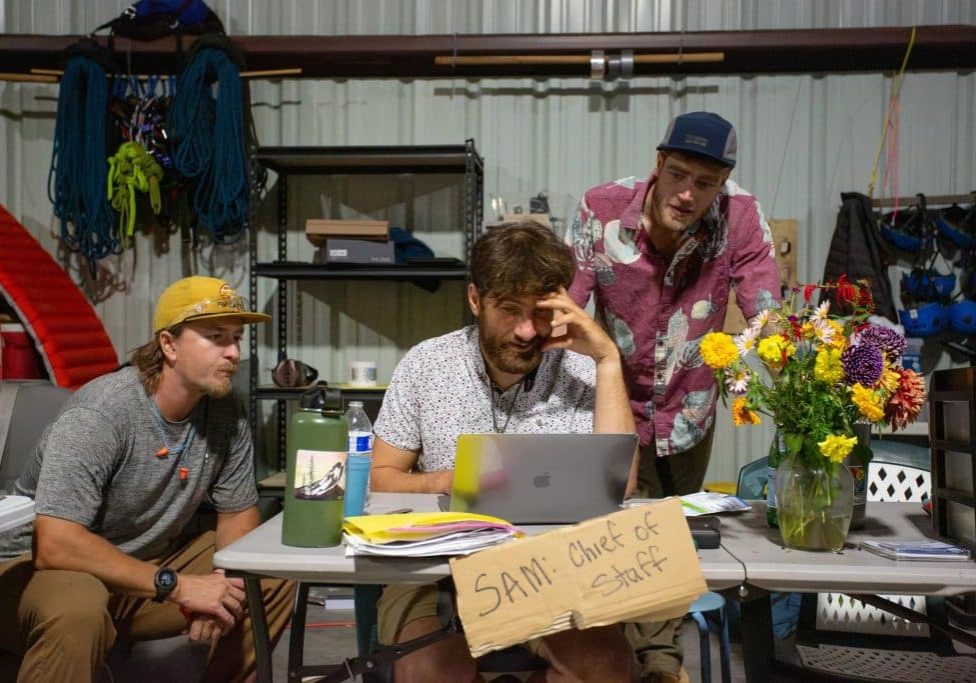
Neighbors Help Neighbors
A photo essay that celebrates the volunteer spirit of the grassroots group Hurricane Helene WNC and speaks to the resourcefulness, collaboration and hard work embodied by thousands and thousands of volunteers, first responders and aid workers across the region after Hurricane Helene.
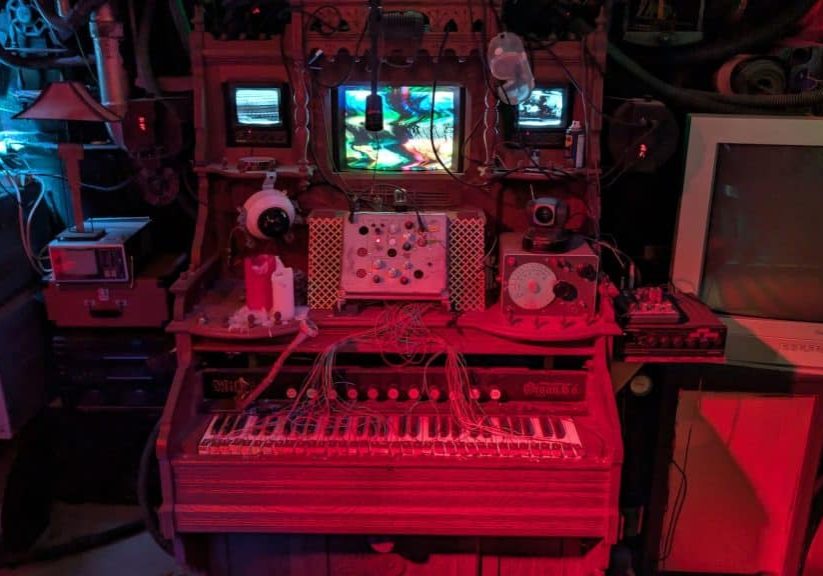
Halloween Approaches, and Night School Is in Session
The House of Art in Bluefield, West Virginia, looks like a haunted tower, making it the perfect location for its sixth annual haunt event: Night School. The Night School will be open every Friday and Saturday night through Oct. 31.
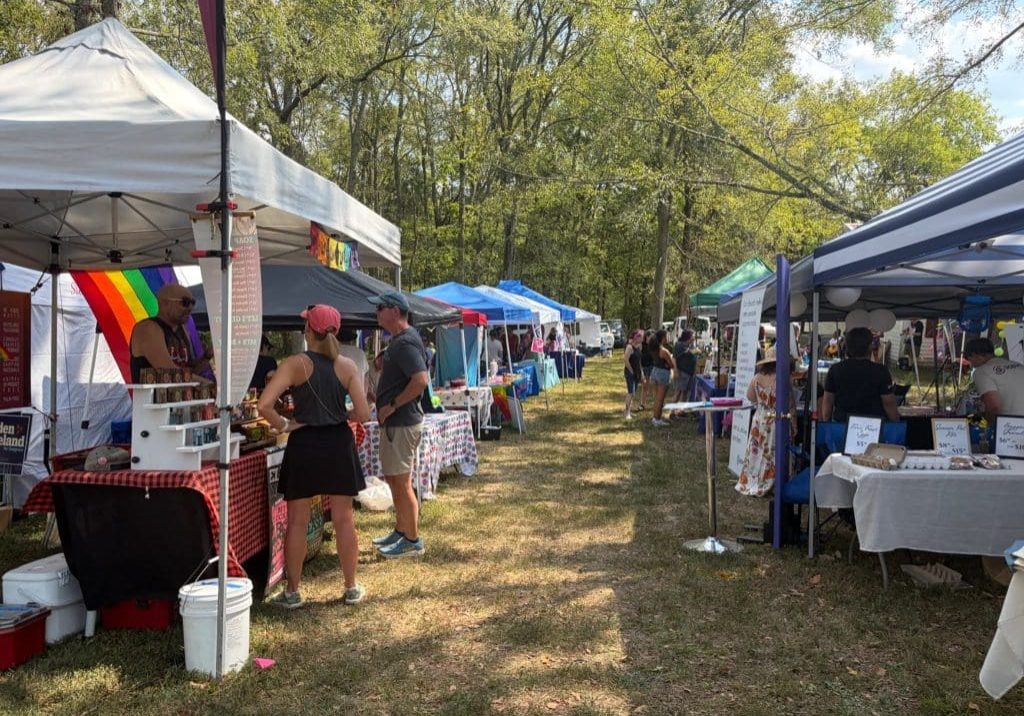
‘The Most Perfect Act of Love’
Hundreds of people attended the second annual Affirming Sumner Pride celebration on a 24-acre farm dubbed “Fruity Farm” in Bethpage, Sumner County, Tennessee.

Signs of Life: Endangered Bats Found in Nantahala for First Time in More Than a Decade
In the Nantahala National Forest, a team of biologists spotted Indiana bats, an endangered species that hasn’t been seen in North Carolina for the last 11 years.

‘First Line of Defense’
During Hurricane Helene and its aftermath, rural fire departments and other first responder hubs played critical roles in keeping their communities safe, even without power and cut off from outside support for days or weeks after the storm. Two years later, plenty of work remains to ensure these hubs have the resources they need to operate day to day and be ready when emergencies or natural disasters strike.

The Rocky Road — and Bridge — to Recovery
Hurricane Helene is estimated to have damaged nearly 7,000 private roads and bridges in Western North Carolina. Two years later, many restoration projects are complete, but the journey hasn’t been easy — and isn’t over for others.

Leave a comment
Your email address will not be published. Required fields are marked *
Leave a Comment