

Former Park Ranger’s Book Brings Nature to Life for all Ages
Jennifer Bauer sees the Appalachian Mountains as one of the world’s last true havens of a diverse environment. But the longtime naturalist tags her view with a warning: “The Appalachian Mountains are under great attack as far as atmospheric pollution, such as acid rain.”
Growing up in Baltimore, Bauer moved to the southern Appalachians in the 1970s to attend East Tennessee State University in Johnson City. She spent 21 years as a naturalist and ranger at Roan Mountain State Park and wrote a book, “Roan Mountain: A Passage of Time.”
Today, Bauer has a new work, “Wildlife, Wildflowers, and Wild Activities: Exploring Southern Appalachia” (The Overmountain Press, $17.95). Chapter titles include “A World of Water,” “Getting Acquainted With Plants,” and “Looking for the Little Things.”
“I think my primary goal in writing the book, and what I hope to achieve, is to open everyone’s eyes in describing what a wonderful place the Southern Appalachians are,” Bauer said.
The author called the 208-page paperback “part science lesson and part good, old-fashioned, looking-for-bugs-in-the-dirt fun.”
Many of the book’s ideas are kid-friendly.
“It’s actually written for any age. It’s not just for children,” she said.
“There’s such a variety of life that’s explained in this book,” Bauer said. “And it takes a little, brief look at many different things.”
One activity searches for salamander hideouts under rocks, in damp leaf litter, and beneath logs. Still, the activity follows Bauer’s look-don’t-touch motto: “To ensure their survival, do not pick them up; observe them with your eyes only,” she writes.
Other activities include building a flower, reading and following animal tracks, and painting with sunlight or rain.
The author also stresses an appreciation for habitats that cannot easily be seen.
“They’re there,” she said. “They’re thriving. They’re reproducing. But they could be destroyed by careless actions.”
A resident of Roan Mountain, Tenn., Bauer draws much of her writing inspiration from her current job as park manager of Sycamore Shoals State Historic Area at Elizabethton, Tenn. She also holds a pair of graduate degrees – one in teaching, the other in science education.
“Wildlife, Wildflowers and Wild Activities: Exploring Southern Appalachia” is available through The Overmountain Press. Call (800) 992-2691 or visit www.overmountainpress.com
Joe Tennis, of Bristol, Va., is the author of Southwest Virginia Crossroads: An Almanac of Place Names and Places to See.
Related Articles
Latest News
More Stories

Signs of Life
In the Nantahala National Forest, a team of biologists spotted Indiana bats, an endangered species that hasn’t been seen in North Carolina for the last 11 years.

‘First Line of Defense’
During Hurricane Helene and its aftermath, rural fire departments and other first responder hubs played critical roles in keeping their communities safe, even without power and cut off from outside support for days or weeks after the storm. Two years later, plenty of work remains to ensure these hubs have the resources they need to operate day to day and be ready when emergencies or natural disasters strike.

The Rocky Road — and Bridge — to Recovery
Hurricane Helene is estimated to have damaged nearly 7,000 private roads and bridges in Western North Carolina. Two years later, many restoration projects are complete, but the journey hasn’t been easy — and isn’t over for others.
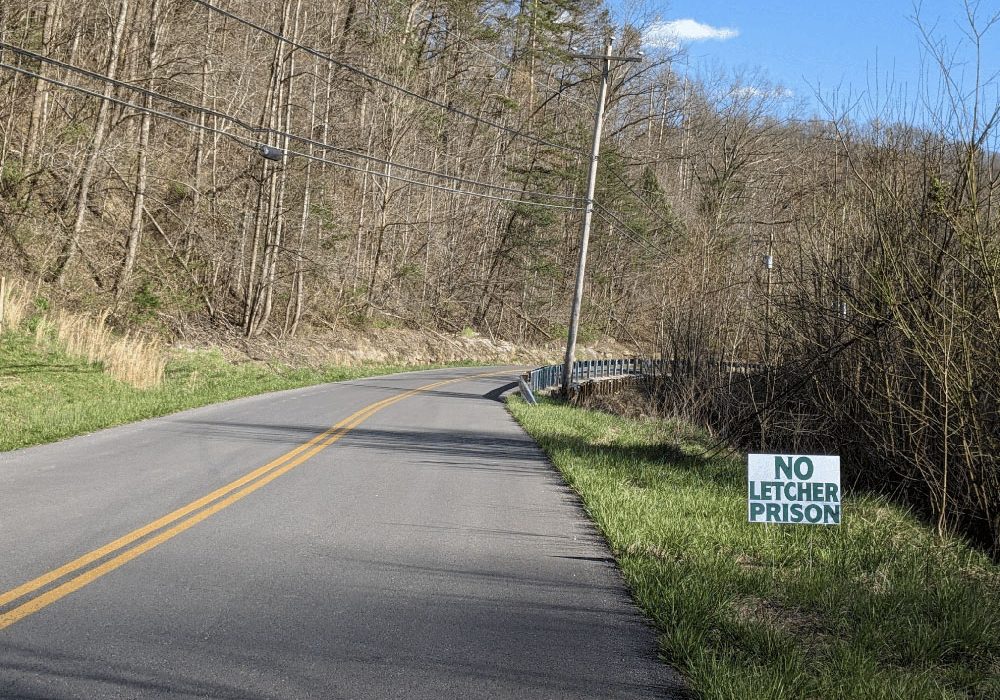
After 20 Years, Letcher County Prison Proposal Is Still Alive, Though Obstacles Remain
A $605 million proposal for a federal prison on a former strip mine site in Letcher County, Kentucky, championed by U.S. Rep. Hal Rogers, refuses to die, despite local opposition, a lack of support from the executive branch and numerous other obstacles.
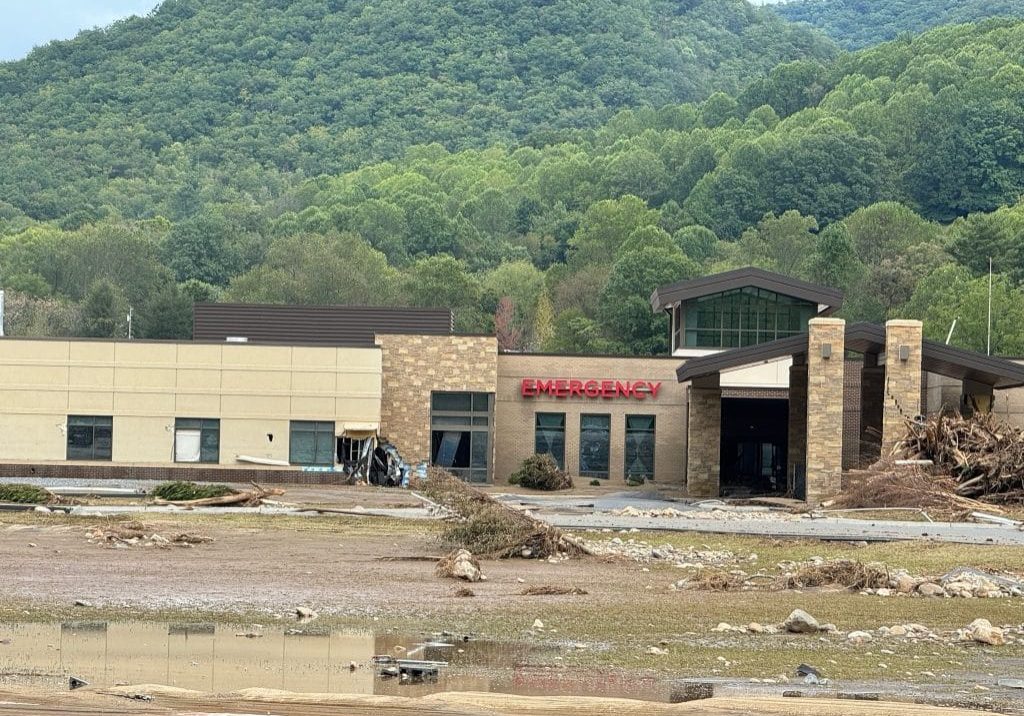
The Washout and Rebuild
For nearly two years, residents of Unicoi County, Tennessee, have had to make do without a hospital after Hurricane Helene destroyed the rural hospital. Ballad Health, which owns the hospital, broke ground on a new location — in another floodplain — in August 2026.
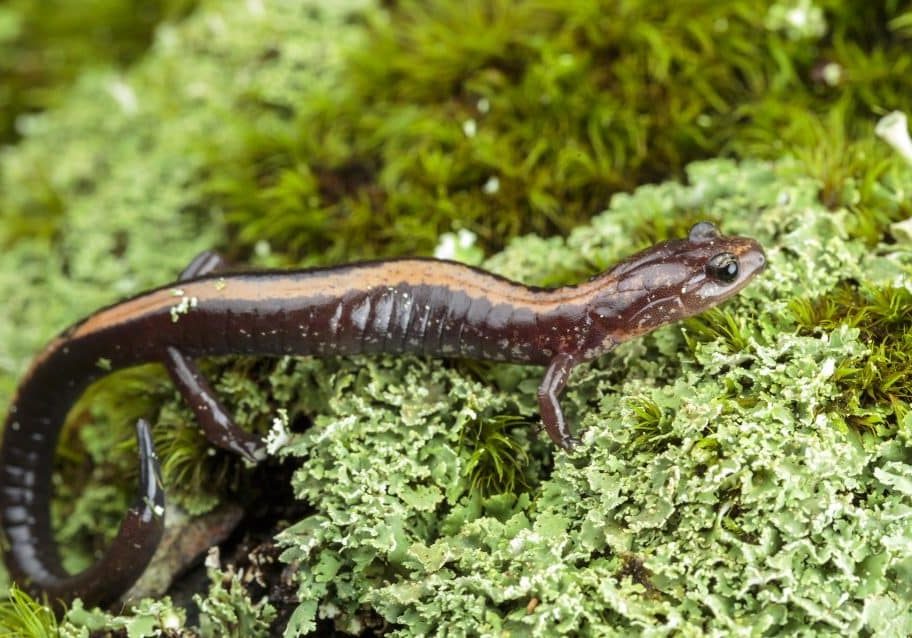
The Shenandoah Salamander
The Shenandoah salamander is a woodland salamander, which has adapted to life at higher elevations away from water. This sparkling rarity lives among the dry leaves, cracked logs, and stony hillocks on the highest peaks of Shenandoah National Park.

Leave a comment
Your email address will not be published. Required fields are marked *
Leave a Comment